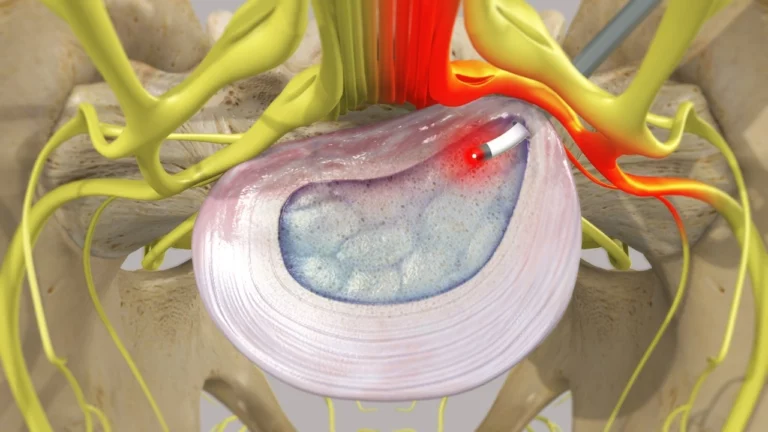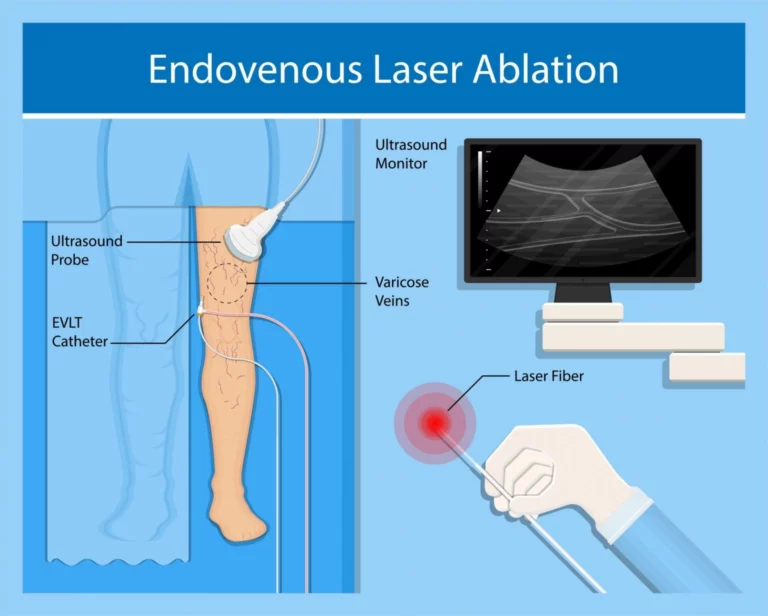
Endovenous laser treatment (EVLT), also called endovenous laser ablation (EVLA), offers a modern, gentle way to handle varicose veins. Instead of old-style surgery that removes or strips veins, EVLT uses a diode laser to send steady heat right inside the bad vein. A slim laser fiber goes in through a tiny catheter. It gives off light that warms the vein wall. This makes scar tissue form and seals the vein shut for good. Blood then flows through healthier veins. Over one to two years, the body slowly absorbs the closed vein. This cuts down on bulging and eases symptoms.
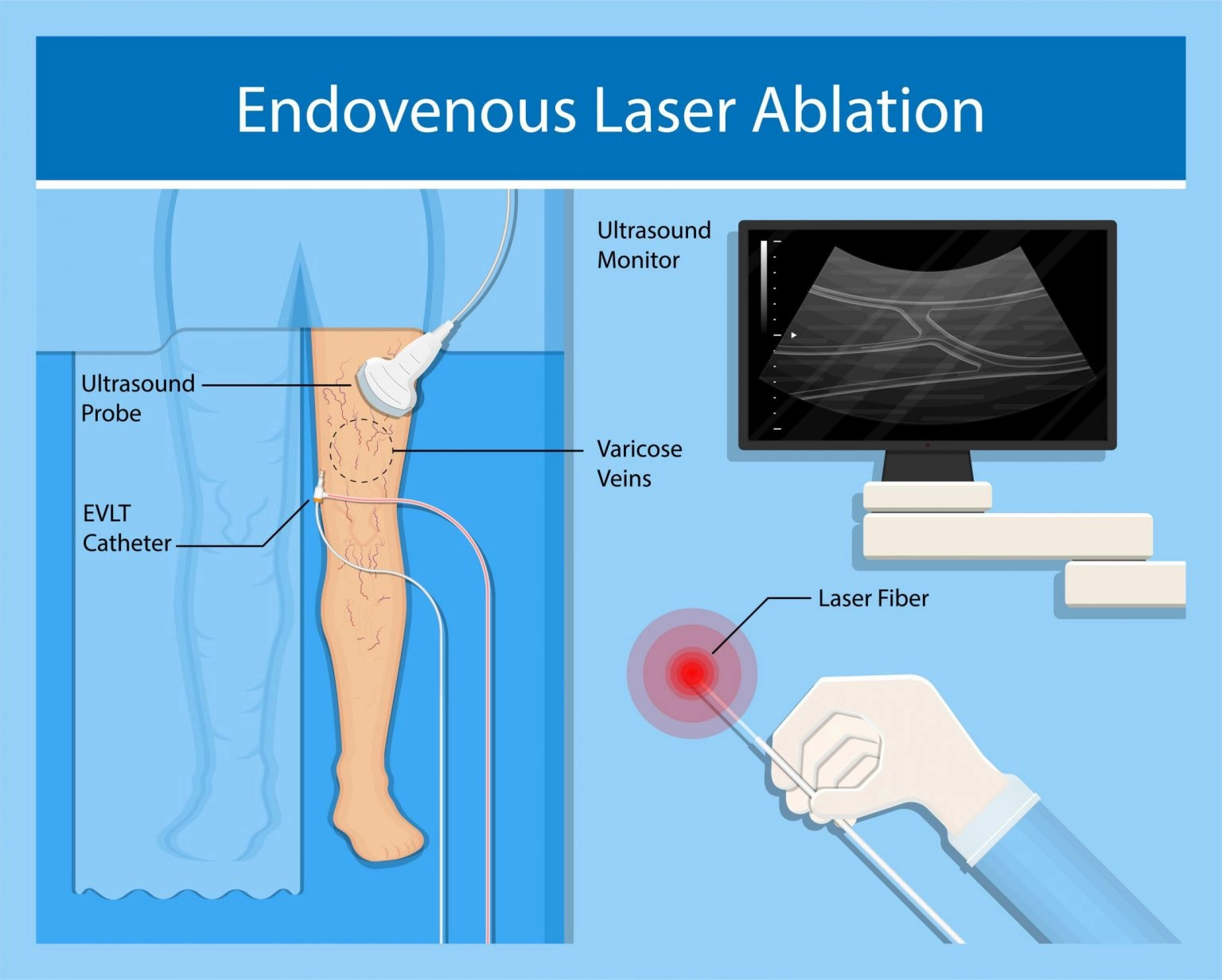
The method focuses on deep vein reflux issues. It works well on main surface veins such as the great saphenous vein (GSV), small saphenous vein (SSV), and important side branches. Doctors do EVLT in an outpatient clinic with just local numbing medicine. No general anesthesia, big cuts, or long hospital stays needed.
Who Should Consider Endovenous Laser Treatment?
People with varicose vein symptoms often qualify for EVLT. These signs include leg pain, cramps, swelling, heavy feeling, itching, skin color changes, or even sores. The treatment fixes chronic venous insufficiency. It also helps stop problems like superficial thrombophlebitis or deep vein thrombosis. EVLT suits those who want good relief without the long rest that comes with open surgery.
Studies show clear benefits. Patients feel less pain after the procedure. They get back to normal life faster. Complication rates stay low. Scars stay very small or invisible. Long-term studies report vein closure success rates of 94-98%.
What Should Be Expected Before EVLT?
Prep starts with a careful ultrasound check called duplex mapping. This scan looks at vein shape, finds reflux spots, and maps the best treatment path. The detailed imaging boosts accuracy and keeps things safe.
Patients get simple rules to follow. They avoid food and drinks after midnight before the day. They skip lotions on the leg. Loose clothes work best. Someone must drive them home because of the local numbing effects. Still, most people start light tasks soon after.
What Should Be Expected During and After the Procedure?
The EVLT appointment usually takes 45–60 minutes. Ultrasound guides the doctor. A small opening lets the catheter enter the vein. Local anesthetic numbs the spot. Then the laser fiber turns on. It applies heat steadily along the vein.
Right after, patients get up and walk. This helps blood flow. Compression stockings go on for one to two weeks. They support healing and cut swelling. Mild bruising, soreness, or tight feelings may show up. These fade in a few days with ice packs and basic pain medicine. Heavy workouts pause for a short time. But most return to work and regular days fast—often in 1–2 days.
How Effective is Endovenous Laser Treatment?
EVLT works very well. Many studies report vein closure rates of 94–98%. Newer wavelengths help seal veins reliably and ease symptoms better. Follow-up ultrasounds check the results. If a small part reopens (which happens rarely), extra sessions or other treatments fix it easily.
Recent comparisons note that higher-absorption wavelengths need less energy to close veins. This leads to steady long-term results with fewer side effects.
What Are the Risks Associated with Laser Treatment?
EVLT stays generally safe. Common short-term issues include light bruising, swelling, or discomfort along the vein. Less frequent problems cover skin burns, nerve irritation that causes numb or tingly spots, or blood clots (like endovenous heat-induced thrombosis). Signs of infection—redness, warmth, or pus—need quick doctor care.
New laser tech and better fiber designs have dropped these risks a lot. Research shows less pain, bruising, and odd nerve feelings than older ways.
Advancements in Laser Technology for EVLT
New changes center on diode laser wavelengths that hit water in vein walls and blood more cleanly. The 1470nm wavelength soaks up water about 40 times better than 980nm. This allows exact heating with lower power. It cuts heat spread to nearby tissues. As a result, patients face less pain after, less bruising, and shorter recovery.
Radial fibers, often 600μm with round emission, spread energy evenly in a 360° pattern around the vein wall. This gives smoother closure and lowers risks like hole-making or uneven harm compared to bare-tip fibers.
Clinical reviews and big analyses confirm that 1470nm systems reach better closure rates at different check-up times. They also bring improved comfort for patients. These upgrades make EVLT more attractive for vein doctors who want top results with little invasion.
Arfurla 980nm/1470nm Multifunction Diode Laser: Advancements in EVLT
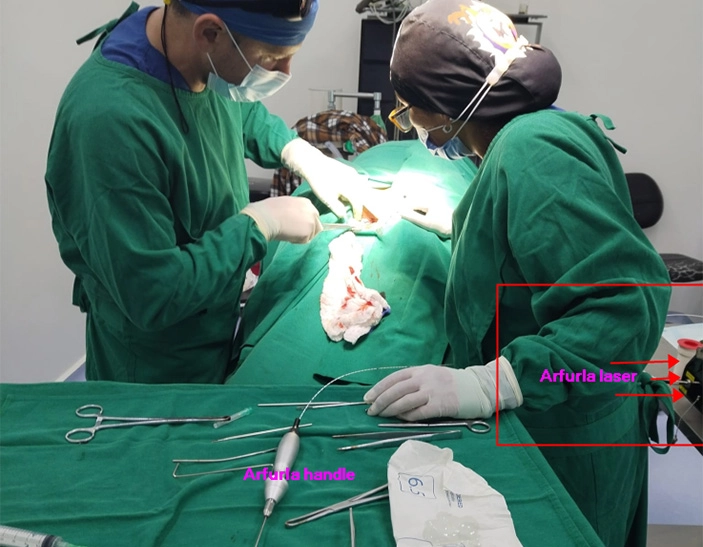
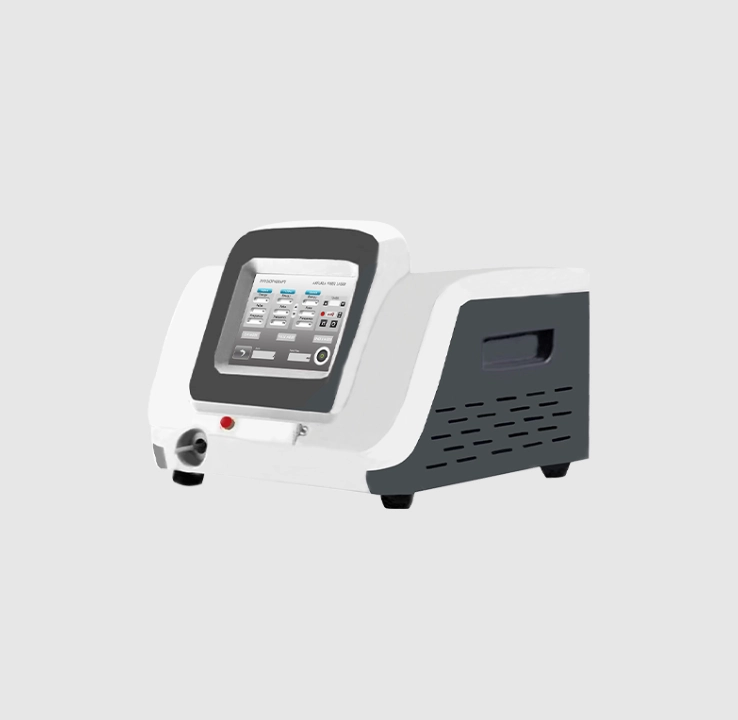
Systems like the Arfurla 980nm/1470nm multifunction diode laser machine show these steps forward. It uses the 1470nm wavelength for strong water absorption. It works with CE-certified 600μm radial fibers. The round-tip radial design spreads energy evenly. It needs less power overall. This supports exact vein targeting, little effect on nearby tissue, and solid closure. The setup fits wider trends toward safer, smoother EVLT. It draws vascular specialists who focus on great outcomes with low invasion.
Frequently Asked Questions (FAQ)
What makes 1470nm lasers different from older wavelengths in EVLT?
The 1470nm wavelength targets water in vein tissues more directly. It needs lower energy for good closure. This causes less harm around the area. Patients end up with reduced pain and bruising.
How long does recovery from EVLT typically take?
Most patients get back to normal activities within 1–2 days. Full comfort returns in a week or two while wearing compression stockings.
Is EVLT suitable for all types of varicose veins?
It works best for superficial reflux in main trunks like the GSV and SSV. Ultrasound mapping decides who qualifies.
What is the typical success rate of modern EVLT procedures?
Closure rates often hit 95–98% at one year and longer. Patients report high satisfaction with symptom relief.
Explore Advanced EVLT Solutions from Arfurla
For distributors, medical equipment suppliers, wholesalers, and procurement teams interested in high-performance diode laser systems optimized for EVLT and multifunction applications, Arfurla serves as a dedicated manufacturer, supplier, and factory. The 980nm/1470nm platforms feature precise energy delivery, radial fiber compatibility, and broad clinical versatility. Contact for technical specifications, wholesale pricing, OEM/ODM options, or partnership details to enhance vascular treatment portfolios. Email: info@arfurla.com Phone/WhatsApp: +86-1830-1023-578 Website: https://www.arfurlamed.com/