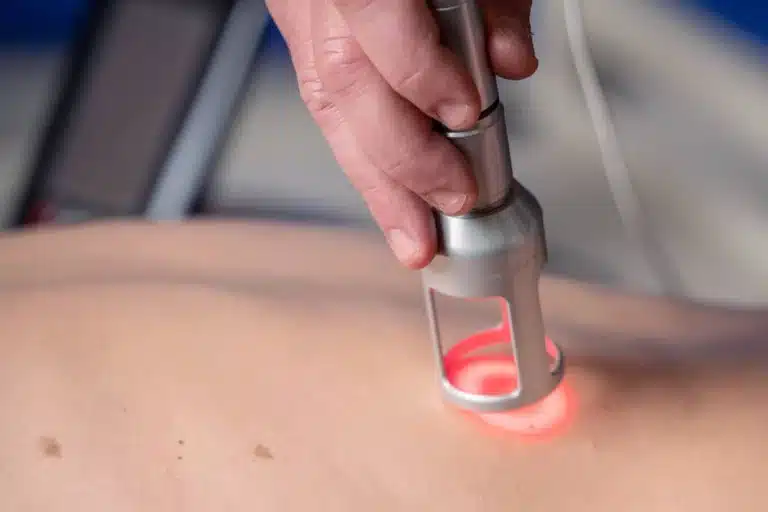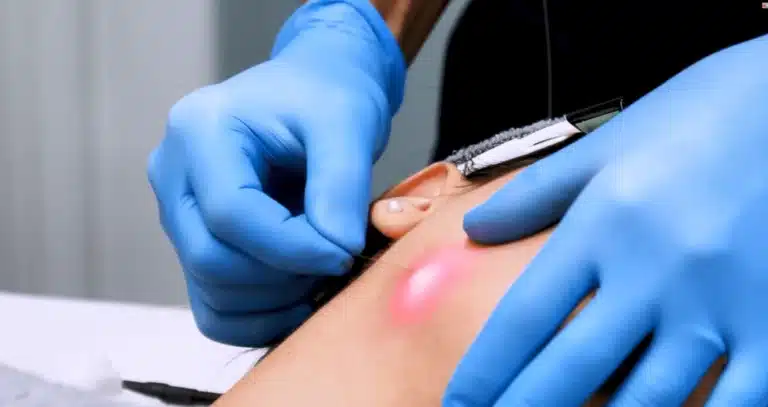
Fractional CO2 laser machines still lead the aesthetic and dermatological equipment market in 2026. They provide reliable ablative resurfacing through controlled fractional delivery. These devices vaporize tiny columns of tissue at the 10600nm wavelength. This process boosts neocollagenesis, fibroblast activity, and collagen remodeling. At the same time, it leaves nearby skin untouched for quicker healing. Clinics, medical spas, and dermatology practices buy this technology to treat wrinkles, acne scars, pigmentation problems, stretch marks, large pores, skin laxity, and special uses like vaginal rejuvenation.
1. Understand Your Requirements
Defining specific treatment goals forms the foundation of any purchase decision. Clinics must identify primary applications:
- Facial and body skin resurfacing to ease fine lines, deep wrinkles (crow’s feet, forehead lines), acne scars, surgical scars, stretch marks, sun damage, uneven tone, and rough texture.
- Vaginal tightening and mucosal rejuvenation to improve laxity, blood flow, cell secretion, and prevent gynecological issues.
- Precise soft tissue cutting in small surgical tasks.
Other factors include common skin types (varied Fitzpatrick scales in diverse areas like Los Angeles or global markets), typical session numbers, and procedure frequency. Busy clinics prefer strong, multi-mode systems that handle 20–50 treatments each week. Smaller or mobile setups work better with compact models that keep strong performance without taking much room.
2. Evaluate Technical Specifications
Core performance comes from precise engineering. Key features include:
- Wavelength: It stays fixed at 10600nm. This allows excellent water absorption for tissue vaporization, plus controlled heat effects that start coagulation and deep stimulation for neocollagenesis.
- Power Output: Most professional models offer 30–70W. Adjustable levels suit light rejuvenation or deeper scar work without losing safety.
- Spot Size and Scanning Patterns: Better systems give various spot sizes and up to 7 scanning shapes (square, circle, triangle, etc.). They also include 3 scanning ways (ordered, random, scatter). This lets users adapt exactly to treatment areas and cut risks like hypopigmentation or uneven outcomes.
- Pulse Duration and Modes: Flexible pulse choices support ultrapulse or superpulse for less thermal spread. Multi-functional 3-in-1 setups (Fractional mode for resurfacing, VRL for vaginal uses, Cutting mode for surgical accuracy) increase usefulness.
- Energy Delivery: Good optics provide even fractional coverage (usually 5–40% density, adjustable). This leads to steady collagen contraction, rebuilding, and lasting tightening.
Devices with these traits offer reliable results for many indications.
3. Assess Safety Features
Patient safety guides rule-following and satisfaction. Important protections cover:
- Built-in cooling systems (air or semiconductor) that protect the epidermis, reduce pain during sessions, and decrease chances of burns, long redness, or post-inflammatory hyperpigmentation.
- Real-time energy checks and feedback for steady output.
- Wavelength-specific action in VRL mode that limits effects to shallow mucosal layers. This avoids harm to deeper tissues or organs.
- Meeting global standards (CE marking common for export makers; FDA clearance sought by some models in strict markets).
These built-in safety steps allow treatments on different skin types with few problems when guidelines are followed.
4. Consider Ease of Use
Daily work flow affects staff acceptance and speed. Helpful traits include:
- Simple 10–12 inch touchscreen displays with preset protocols, custom settings, and real-time treatment views.
- Comfortable handpieces and flexible arms for accurate control on face, body, or intimate areas.
- Small sizes (portable trolleys or upright stands) that fit tight clinic spaces.
- Low-upkeep builds with sealed laser tubes and easy-access parts to limit service breaks.
User-focused design simplifies training and improves cleanliness in fast-paced settings.
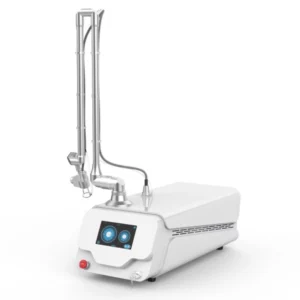
5. Analyze Cost and ROI
Investment covers purchase plus ongoing costs. Main points involve:
- Purchase price: Professional fractional CO2 systems range from $20,000 (entry-level) to $100,000+ (premium configurations) in 2025–2026 market data, influenced by power, modes, and origin.
- Consumables: Many current units keep recurring costs low (no frequent tips or dyes needed).
- Maintenance and warranty: Full coverage (2-year standard, with free spare parts and 24/7 technical help) guards against lost time.
- Revenue potential: Multi-use flexibility supports high pricing ($300–$1500 per session for resurfacing or vaginal treatments). Sessions last under 30 minutes, and visible changes often show after 1–3 visits. This creates fast returns.
Portable models cut space costs, while vertical units fit dedicated rooms.
6. Research Reputable Brands
Quality and durability favor proven makers. Arfurla works as a dedicated high-tech manufacturer, supplier, and factory in China. It focuses on 10600nm fractional CO2 laser systems (Portable 10600nm and Vertical 10600nm models). Arfurla stresses in-house R&D, complete production in clean facilities, and strict quality checks. Their fractional CO2 lasers include 3-in-1 functions (Fractional + VRL + Cutting), safe VRL use proven worldwide, quick treatment times (<30 minutes), painless walk-in/walk-out in many modes, and adaptable scanning to lower side effects. The company ships globally, offers OEM/ODM customization, and runs training centers in many regions (USA, Europe, Latin America, Middle East, Asia). Feedback from the industry notes reliability for skin rejuvenation and special gynecological uses.
7. Check for Training and Support
Good setup relies on proper knowledge sharing:
- Manufacturer-led training that covers protocols, setting adjustments, and safety rules.
- Continuous technical help through 24/7 online options, remote fixes, and quick spare parts delivery.
- Materials for practitioner certification and staff skill building.
Full support reduces work risks and boosts device use.
8. Compare Portability and Versatility
Clinic layout and service range guide model pick:
- Portable versions give light mobility for different rooms or outside use.
- Vertical designs offer better stability and pro look for fixed spots.
- Wide abilities cover wrinkle reduction, scar fix, texture smoothing, pore tightening, collagen boost, vaginal tightening, and minor cutting tasks.
Multi-function platforms give better adaptability in changing aesthetic markets.
Conclusion
Buying the best fractional CO2 laser machine requires matching clinical needs, advanced specs, strong safety steps, comfortable design, money sense, brand trust, solid support, and flexible setup choices. Careful review leads to equipment that creates major patient improvements, raises practice standing, and ensures ongoing profits. Arfurla’s 10600nm fractional CO2 systems show dependable, flexible technology from a solid manufacturer and supplier focused on worldwide aesthetic progress.
FAQ
What wavelength do professional fractional CO2 lasers use?
The industry standard remains 10600nm, optimized for water chromophore absorption and precise tissue ablation with thermal stimulation.
How many sessions deliver optimal results for most indications?
Most skin resurfacing and vaginal tightening protocols achieve significant improvement in 1–3 treatments, with progressive collagen remodeling over 1–3 months.
Are these machines suitable for all skin types?
Adjustable density, pulse, and cooling features enable safe application across Fitzpatrick types, though thorough pre-treatment assessment is required.
What is typical patient downtime?
Expect 3–10 days of redness, swelling, and peeling; many modes allow immediate return to activities with proper aftercare.
How do fractional CO2 lasers compare to alternatives like RF microneedling or IPL?
Fractional CO2 provides deeper ablation and stronger collagen induction for scars and wrinkles, outperforming non-ablative modalities in dramatic resurfacing.
Partner with a Trusted Manufacturer and Supplier
Aesthetic clinics, distributors, medical spa owners, and equipment resellers looking for high-quality fractional CO2 laser solutions should connect with Arfurla, a leading manufacturer, supplier, and factory headquartered in Hangzhou, China. Take advantage of competitive factory-direct pricing, customizable OEM/ODM configurations, 2-year warranties with free spare parts, 24/7 global support, proven 10600nm Portable and Vertical models, and multi-functional 3-in-1 technology for skin resurfacing, vaginal rejuvenation, and cutting applications. Inquire today for detailed quotations, live demonstrations, technical specifications, or distributor partnership opportunities to strengthen practice offerings in 2026. Contact via the official website, email info@arfurla.com, or WhatsApp/call +86-1830-1023-578 for prompt, personalized assistance.