The area of laser tattoo removal has made big steps forward. Pico lasers get pushed a lot as game-changing options. Makers and clinics like to point out their super-short pulses as better at smashing ink bits. But a careful look shows Q-Switch lasers still work as a solid, tested choice. This review looks at main ways they work, how well they compare, and real-world points. It pulls from clinic knowledge and tech facts.

How Laser Tattoo Removal Works: The Basics
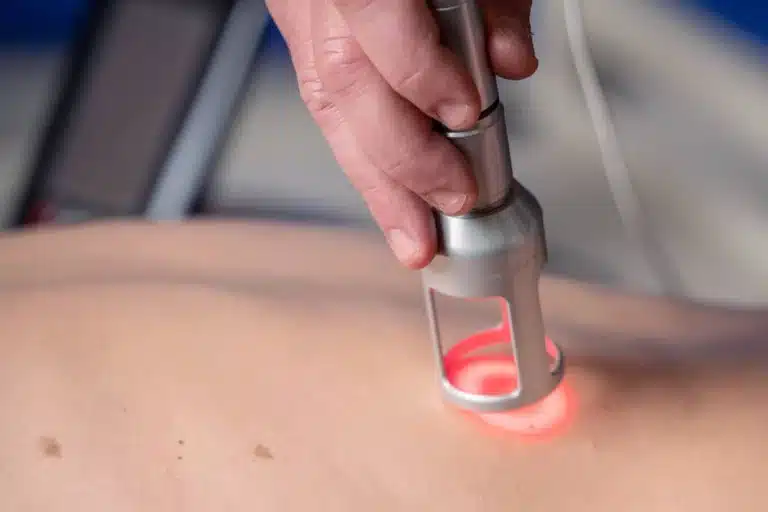
Laser tattoo removal goes after ink bits stuck in the skin. The laser sends out pulses. These break the bits into tiny pieces. Then the body’s defense system – mostly via lymph flow – clears them away slowly. Good results come from not just the laser’s pulse traits. Things like ink makeup, how deep it sits, skin kind, and the whole body reaction play big roles too. Both nanosecond (Q-Switch) and picosecond methods use selective photothermolysis and photoacoustic ideas. Yet pulse time gaps affect the end results.
Pico Lasers: What Are They?
Pico lasers send energy in picoseconds (one-trillionth of a second). This leads to a main photoacoustic push. It makes shock waves. Those break ink into very fine bits. This might help lymph clear it quicker. Systems with many wavelengths – like 755nm, 1064nm, 532nm, and 1320nm choices – hit different colors and levels. Here are some examples:
755nm
Does well on melanin and dark inks (black, blue, green). It absorbs strongly and lowers post-inflammatory hyperpigmentation (PIH) chances.
1064nm
Goes deep for under-skin colors. It also boosts collagen through laser-induced optical breakdown (LIOB).
532nm
Handles surface red/brown spots and blood vessel problems. It builds little heat.
1320nm
Allows non-ablative skin rebuilding for fresh looks.
Such points make Pico tools flexible. They suit tattoo removal, color fix, acne scar help, and skin glow-up. Often there is little recovery time.
The Tried and True: Q-Switch Lasers
Q-Switch lasers run in nanoseconds (one-billionth of a second). They have stayed the main mark for years. These give strong energy blasts. The blasts heat and break ink well via photothermal and photoacoustic ways. Nd:YAG setups (1064nm, 532nm) manage many tattoo kinds steadily. Their solid past comes from years of clinic use. They give steady outcomes on varied inks. Plus they stay easy to get in pro places.
Studies Show Mixed Results
Work that compares Pico and Q-Switch tech brings different outcomes. A few studies say Pico lasers get a bit better fade rates on tough colors (like blue, green). This comes from stronger breaking. Fresh 2024-2025 work notes about 61% mean fade after few visits with Pico Nd:YAG. It shows gains in fewer side issues for some skin kinds. Still, other reviews find no clear edge in total success. This holds true most for black inks. Tissue views hint at less harm with Pico at times. Yet Q-Switch stays very good when settings get tuned right. Skill of the person running it and plan (like wait times) often beat pulse length gaps.

The Real Factors That Matter
A few things matter more than just laser kind:
- Operator Skill: Right power, beam width, and method boost ink break-up. They cut down problems at the same time. Skilled users get great results no matter the tool.
- Type of Ink: Pro inks differ in makeup and thickness. Some match better with certain wavelengths or pulse shapes.
- Client’s Health: Immune work, body processing, and daily habits affect fade speed. Drinking water, good food, and no sun help outcomes.
- Treatment Intervals: Giving enough wait time (often 8-12 weeks) for lymph work boosts how well it goes. It lowers risks too.
Cost Considerations
Pico laser setups come with higher buy and upkeep costs. This leads to much higher fees per visit – often three to four times Q-Switch ones. Pico might cut visits a little for hard tattoos. But the small gain seldom makes up for the cost in normal cases. Clinics and staff focus on value without risking safety.
While Pico lasers bring strong points in photoacoustic break and many-use options, gains often fail to beat the bigger cost. Q-Switch lasers give tested, steady work for most tattoo removal jobs. Things like operator skill, ink traits, client body response, and visit gaps push success more than pulse time alone.
Arfurla: A Leading Manufacturer and Supplier of Advanced Pico Laser Solutions
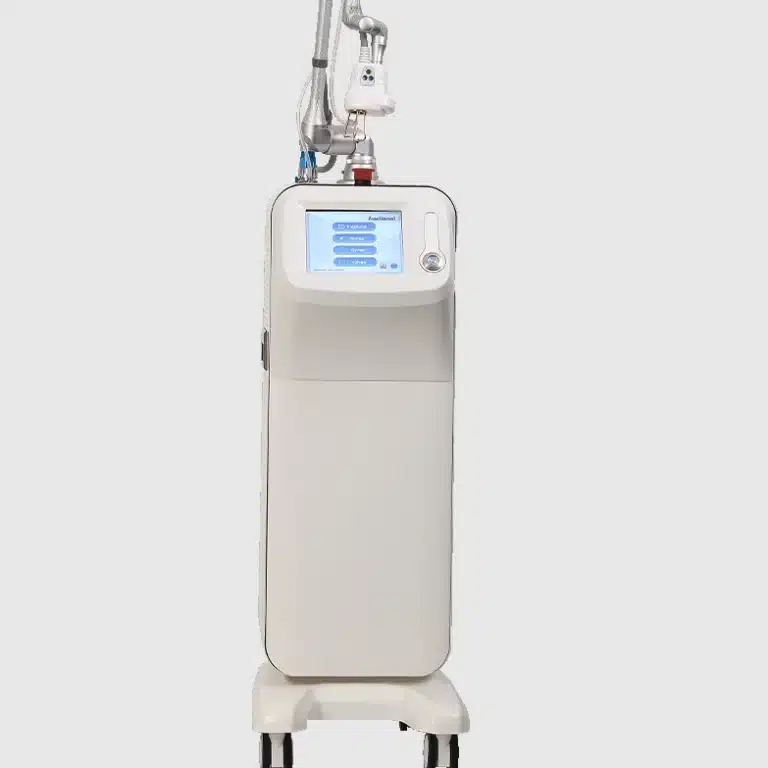
Arfurla acts as a high-tech manufacturer and supplier. It sits in Hangzhou, Zhejiang Province, China. The company focuses on beauty and medical laser gear. Arfurla keeps its own R&D team and plant. It makes new tools. This includes the Pico laser tattoo removal machine. The setup uses picosecond Nd:YAG tech. It has many wavelengths (755nm, 1064nm, 532nm, 1320nm). These allow exact color hits, low heat harm, and uses past tattoo removal – like color fix, acne scar betterment, and skin refresh.
As a dedicated factory and supplier, Arfurla gives OEM/ODM services to worldwide sellers. This ensures custom, top-grade answers. It stresses dependability, fair prices, and full post-sale help (with 2-year warranties and 24/7 aid). Arfurla backs clinics and pros who want modern but useful laser setups.
FAQ
What is the main difference between Pico and Q-Switch lasers for tattoo removal?
Pico lasers use picosecond pulses for stronger photoacoustic effects and finer ink fragmentation, while Q-Switch lasers rely on nanosecond pulses with effective photothermal action. Studies show mixed results, with Pico offering advantages for certain colors but not universal superiority.
Are Pico lasers always better for stubborn tattoos?
Not necessarily. Pico excels with blues and greens in some cases, but Q-Switch performs comparably for black inks. Operator skill and treatment protocol often matter more.
How many sessions are typically needed?
Both technologies require multiple sessions (6-12+), depending on tattoo size, color, depth, and individual factors. Longer intervals between treatments can enhance clearance.
Is Pico laser safer for darker skin types?
Pico systems, particularly with 1064nm, reduce PIH risk due to lower thermal effects, benefiting diverse skin tones when used appropriately.
What should clinics consider when choosing laser equipment?
Evaluate wavelength versatility, build quality, after-sales support, and cost. Manufacturers like Arfurla provide reliable Pico options with OEM/ODM flexibility.
Partner with Arfurla as Your Trusted Manufacturer and Supplier
Clinics, distributors, and aesthetic professionals seeking high-performance Pico laser tattoo removal machines should contact Arfurla today. As a leading manufacturer, supplier, and factory, Arfurla delivers advanced picosecond systems with proven multi-wavelength technology, competitive wholesale pricing, and full OEM/ODM customization. Request detailed specifications, quotations, or technical consultations to equip your practice with reliable, innovative solutions. Reach out via email at info@arfurla.com or phone at +86-1830-1023-578 to discuss partnership opportunities and elevate your laser treatment offerings.