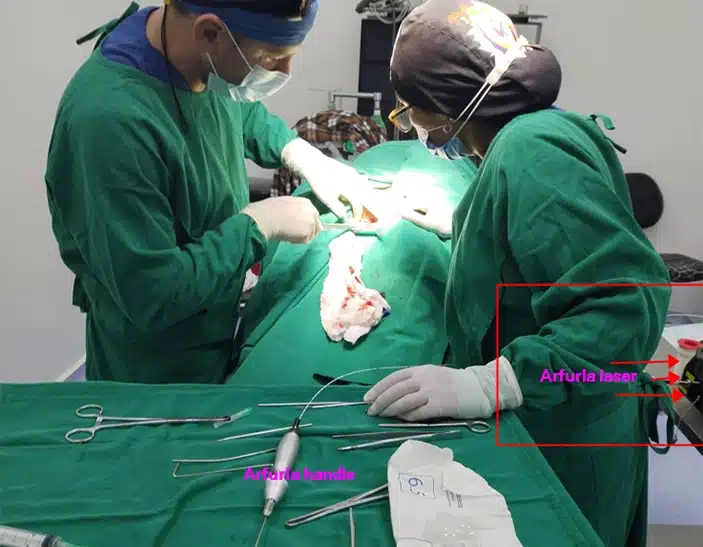
Endovenous Laser Therapy (EVLT) has totally changed how doctors treat bad veins. It gives a gentle way instead of old-style surgery. A big step forward here is using two wavelengths together, namely 1470 nm and 980 nm. This method uses the special features of each one. It makes the process more exact, quick, and safe.
Advantages of 1470 nm Wavelength
Everyone knows that 1470 nm in endovenous laser therapy absorbs water better than 980 nm. So, the laser light goes right into the vein wall. Plus, it needs less overall energy. And it makes less heat. This feature lets doctors apply laser light exactly into the vein wall. It gives focused care. Also, it uses less total energy. That leads to lower heat. But, people must note that 1470 nm works based on water in the tissue.
Consideration of Tissue Composition
Yet, if water in the tissue of the nucleus pulposus is low, the vapor effect of 1470 nm on it will not work well. This shows why doctors need to think about the exact traits of the target tissue. They pick the right wavelength for EVLT. Knowing tissue makeup makes laser therapy sharp and very useful.
Dual Wavelength Approach for Optimal EVLT
The two wavelengths shine as the best pick for doing Endovenous Laser Therapy (EVLT) on sick veins. The 1470 nm part loves water in the tissue. At the same time, 980 nm boosts blood-stopping power. It creates very focused heat. Patients get a better-managed and smooth process. It lowers chances of harm to nearby areas.
1470 nm: Precision through Water Absorption
The 1470 nm light has a strong link to water inside the tissue. It allows careful aiming at the vein wall. This accuracy cuts risks of extra harm to close tissues. It adds to the full safety of the step. Lower energy needs and less heat also help patients feel better and heal faster.
980 nm: Enhancing Haemostasis Efficiency
Adding to 1470 nm benefits, the 980 nm light plays a key part in better blood control. This light makes heat in a small spot. It helps good clotting and cuts bleeding in the process. The managed heat use gets treatment wins without hurting nearby tissues.
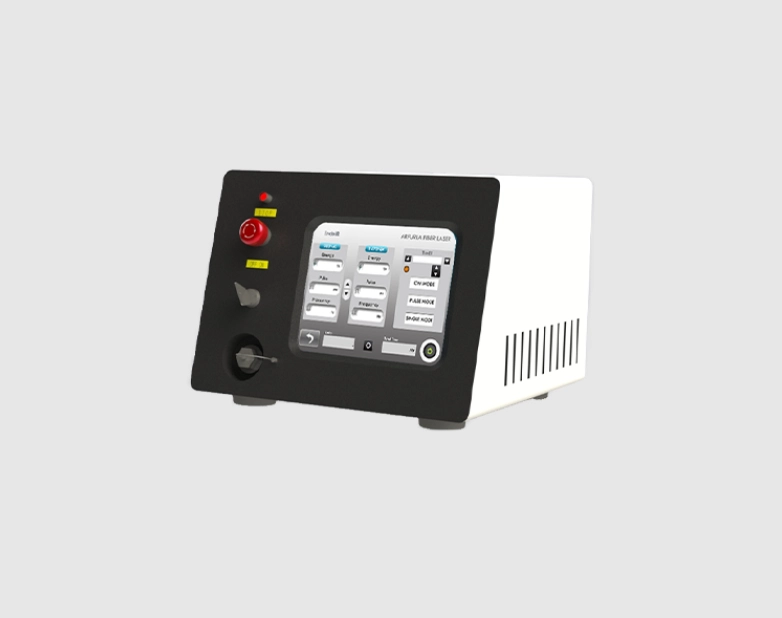
Arfurla 980nm 1470nm Medical 12 in 1 Diode Laser Machine
for Endovenous Laser Therapy (EVLT)
In Arfurla’s system, the AFL Medical 12 in 1 mixes these wavelengths inside one handy portable machine. It sends out as much as 30W for exact energy supply. The 980nm part shines in soaking up hemoglobin. This helps quick clotting happen while pulling back the catheter. Such action proves vital for perforator veins or extra branches. This mix cuts down blood loss during procedures by up to 70% when set against single-wavelength tools. Proof comes from side-by-side tests on diode lasers.
For medical centers, this method smooths out daily tasks. One unit manages EVLT along with proctology, ENT, and gynecology uses. It lowers gear expenses and cuts training demands. Arfurla’s CE-certified radial fibers guarantee fit. The 600um fiber bends easily. This lets it move through twisty veins as small as 2mm across. Healthcare workers note quicker prep periods—less than 5 minutes. They also see steady energy levels. Credit goes to Germany-imported diodes. These keep performance strong for over 10,000 hours.
Patient Benefits and Safety Considerations
Mixing two wavelengths in EVLT brings real gains. The managed and smooth process lowers risks to close tissues. This boosts the safety level of the care. It also leads to quick healing and better results after. In real life:
- Doctors can finish the step in a simple room, not a big surgery area.
- There is little rest time, less pain after, and quick back to daily life.
- Risks of marks, blood loss, or issues drop a lot due to exact aiming and smart energy use.
- For doctors and clinics, good control of results and gentle options build services, happy patients, and strong market spot.
Conclusion
To wrap up, the two-wavelength method in Endovenous Laser Therapy marks a huge jump in vein care. It joins the exactness of 1470 nm laser with the blood-stop power of 980 nm. Doctors can give patients a managed and strong choice. Knowing tissue details and using the team-up of these lights makes EVLT advanced and fit for each patient. As tech grows, two-wavelength plans will likely lead in making medical steps better and safer.
FAQ
Q1: What exactly is EVLT/EVLA?
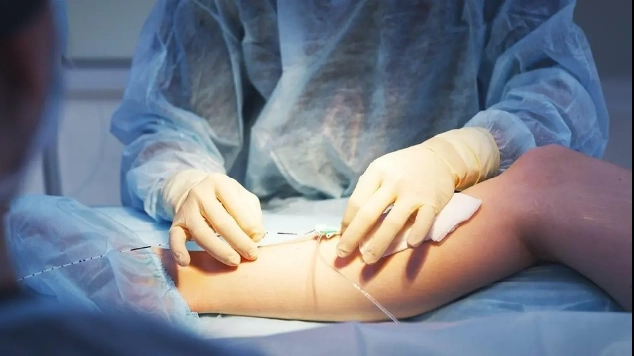
EVLT (Endovenous Laser Treatment) or EVLA (Endovenous Laser Ablation) is a minimally invasive procedure in which a laser fibre is inserted into the affected vein (for example the great saphenous vein or small saphenous vein) under ultrasound guidance. Heat from the laser causes the vein to seal, redirecting blood through healthier veins and alleviating varicosities.
Q2: Why choose a dual‑wavelength device (1470 nm + 980 nm) over a single wavelength?
Using both 1470 nm and 980 nm wavelengths allows the clinician to exploit the high water absorption of 1470 nm for precise vein wall ablation, while 980 nm supports haemostasis and efficient heat generation. The result is a more effective procedure, with fewer side‑effects, less collateral damage, and faster recovery.
Q3: What types of veins or clinical cases are suitable for EVLT?
The typical suitable targets include the primary venous trunks in the legs (e.g., the great saphenous vein (GSV), the small saphenous vein (SSV)) and significant tributaries such as the anterior accessory saphenous vein (AASV). Patient selection, ultrasound mapping, and venous anatomy evaluation remain critical.
Q4: Is this treatment comfortable and what is the downtime?
Because the procedure is minimally invasive (performed under local anaesthesia, typically via a small incision), patient discomfort is significantly lower compared to open surgery. The downtime is minimal—many patients resume normal activity quickly. There is little scarring and minimal post‑operative pain.
Q5: For manufacturers and suppliers: what device specifications should be considered?
Key device attributes include: ability to deliver stable output at both 1470 nm and 980 nm wavelengths, compatibility with radial fibre designs (e.g., 600 µm radial fibre) for even energy distribution, strong safety and compliance certifications (CE, FDA if applicable), reliable cooling/efficiency design to minimise collateral heat, user‑friendly interface for clinicians, and robust after‑sales service.
Q6: How does tissue composition influence the outcome?
Since the 1470 nm wavelength is absorbed chiefly by intracellular water, tissues with lower water content (for example certain fibrotic or sclerotic vein walls) may respond differently. Understanding the specific physiology of the targeted vein ensures optimal outcomes.
Partner with Arfurla as Dual Wavelength Surgical Laser Endovenous Laser Therapy (EVLT) Machine Supplier
For clinics, hospitals, and pro medical device sellers wanting top laser tools in vein care, vein removal and many-use platforms, think about teaming with Arfurla as a focused manufacturer and supplier. Arfurla offers a strong deal: a “12 in 1” multi-work laser platform (including for example 980 nm/1470 nm diode laser, 808 nm hair removal, fractional CO₂, HIFU and more). It grows services, cuts extra gear, and boosts treatment choices.
Contact now to talk partner chances, wholesale costs, spec papers, training plans and full help after. For questions: call +86‑1830‑1023‑578 or email info@arfurla.com. Get full-service, high-work vein and beauty laser tools from one trusted manufacturer / supplier: Arfurla.