Varicose veins stand as one of the most common blood vessel problems around the world. They affect roughly 20-30% of grown-ups. These swollen, twisted veins mostly appear in the legs. They happen due to venous insufficiency. In this condition, faulty valves let blood flow backward and collect in the veins. The issue causes worries about looks, dull pain, a heavy feeling in the legs, swelling, itching, and in severe cases, changes in skin color, eczema, or open sores from veins. In the last twenty years, Endovenous Laser Treatment (EVLT), also known as Endovenous Laser Ablation (EVLA), has changed how doctors treat varicose veins. It shifted from major surgery with stripping to a very effective procedure done in the office. It is minimally invasive.

Understanding Varicose Veins and Chronic Venous Insufficiency
Chronic venous insufficiency (CVI) is the main reason behind most painful varicose veins. The great saphenous vein (GSV), small saphenous vein (SSV), and their branches are usually involved. Risk factors include family background, being female, several pregnancies, jobs that require long standing, extra weight, and older age. Duplex ultrasound is now the best way to diagnose the problem. It maps the parts with backward flow and helps plan treatment. CEAP classification sorts the seriousness from C1 (small spider veins) to C6 (open venous ulcers).
Traditional high ligation and stripping needed full anesthesia, a stay in the hospital, a lot of pain after the operation, and weeks to recover. Problems like blood clots under the skin, nerve damage, and return of veins in up to 20-30% of cases were frequent. The arrival of endovenous thermal ablation methods started with radiofrequency ablation. Laser methods soon followed. These options greatly bettered results and made things easier for patients.
The EVLT Procedure Step by Step
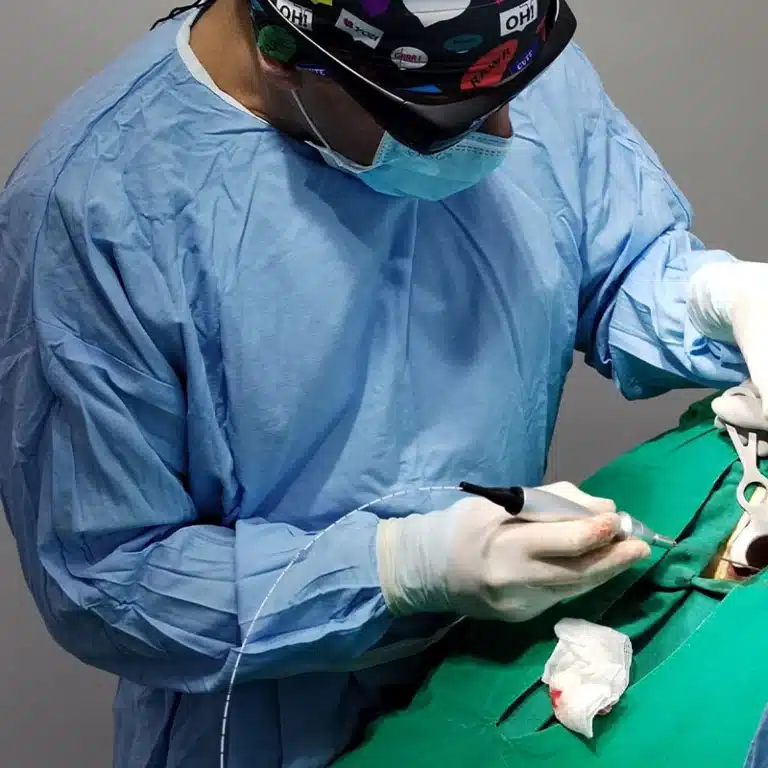
The EVLT procedure usually finishes in less than one hour. After the patient agrees and signs consent, doctors place the person flat or face down based on the vein targeted. The leg gets cleaned and covered in a clean manner. With ultrasound help, the bad vein (often the GSV) is reached through the skin using a small needle. This is done at or below the knee to lower the chance of nerve harm.
A thin wire moves upward inside the vein. Then a sheath or tube follows. Tumescent anesthesia—a mix of weak lidocaine with epinephrine in saline—gets injected around the vein. Ultrasound watches this process. It does several important jobs. It squeezes the vein for better laser energy take-up. It shields nearby tissues from heat damage. It numbs the area. And it cuts down on bruising after the procedure.
A clean laser fiber (bare-tip or jacketed radial fiber) goes in through the tube. Doctors place it 1-2 cm away from the saphenofemoral junction or the chosen end spot. Laser energy comes out in a steady or pulsed way. The fiber pulls back slowly at 1-2 mm per second. Current methods target 80-120 J/cm linear endovenous energy density (LEED). This depends on vein size and wavelength.
After the fiber comes out, compression stockings go on. Patients start walking right away. Most get back to work and usual tasks in 24-48 hours.
Evolution of Laser Wavelengths in Endovenous Ablation
Early EVLT systems used 810 nm, 940 nm, or 980 nm diode lasers. These wavelengths mainly get absorbed by hemoglobin in the blood inside the vein. They worked by causing clots to close the vein. But the process used indirect heat. Blood would boil. Steam bubbles formed. Heat moved to the vein wall. This often needed more energy. Studies from that time showed notable pain after the procedure (up to 30-40% needed pain medicine). Bruising appeared in 70-80% of cases. Skin burns or tingling feelings happened sometimes.
Newer wavelengths around 1320 nm and mainly 1470 nm brought a big change. The 1470 nm diode laser absorbs in water about 40 times better than 980 nm. It is over 100 times better than 810 nm. Vein walls hold 70-80% water. So direct absorption happens in the inner and middle layers. It no longer depends on blood as the target. This lets the vein wall shrink and scar permanently with much lower power (usually 5-10 W) and LEED (50-80 J/cm).
Many controlled trials and reviews have proven that 1470 nm works better:
- Lower pain scores after the procedure (VAS 1-2 vs 4-6 with older wavelengths)
- Less bruising (10-20% vs 70-80%)
- Quicker return to work (1-2 days vs 4-7 days)
- Similar or higher closure rates at 1-5 years (>95%)

Radial Fibers: The Next Leap Forward
The next big improvement came with radial-emitting fibers. Old bare-tip fibers sent energy straight ahead. This caused uneven heating, charring at the tip, and sometimes holes in the vein. Radial fibers spread energy in a full circle through a glass or ceramic end. They give even contact with the vein wall no matter the position.
When used with 1470 nm, radial fibers improve results more:
- Even spread of energy avoids hot spots
- Lower chance of holes and heat damage outside the vein
- Less needed LEED (often 60-70 J/cm)
- Shorter times for the procedure thanks to quicker pullback (up to 3-5 mm/sec)
Long-term studies report closure rates over 98% at five years with 1470 nm radial fiber systems.
Key Technical Parameters for Optimal Outcomes
Success with EVLT relies on careful control of several factors:
- Power settings: 1470 nm systems typically use 6-10 W continuous wave
- Pullback speed: Automated pullback devices ensure consistent 0.5-1 mm/sec withdrawal
- Tumescent volume: 100-200 ml per 10 cm segment provides adequate insulation
- Endpoint positioning: 2 cm distal to SFJ prevents heat transmission to deep femoral vein
- Vein diameter consideration: Larger veins (>12 mm) may require higher energy or staged treatment
Real-time temperature monitoring adds extra safety when available. It warns about too much heat.
Clinical Outcomes and Evidence Base
More than 20 years of information confirm EVLT as the top choice in guidelines from groups like the Society for Vascular Surgery, American Venous Forum, and European Society for Vascular Surgery. Success rates stay above 95% at one year. They reach 92-98% at five years for all wavelengths. The 1470 nm radial systems get the best scores.
Improvements in daily life are huge. VCSS scores fall 60-80%. Pain goes away in over 90% of patients. Looks improve greatly. Complication rates stay low—deep vein thrombosis <1%, pulmonary embolism <0.1%, nerve injury <0.5%. Skin burns are almost gone with modern methods.
Expanding Applications of Medical Diode Lasers
The same 980 nm / 1470 nm diode laser platforms used for EVLT have changed many fields with their multi-use design. One device can handle:
- Endovenous ablation of varicose veins
- Percutaneous laser disc decompression (PLDD)
- Proctology (hemorrhoids, fistulas, pilonidal sinuses)
- ENT surgery (turbinate reduction, LAUP)
- Gynecology (vaginal tightening, condyloma)
- Lipolysis and endolift facial rejuvenation
- Dentistry and veterinary applications
This range helps clinics get good value while giving patients better access to modern care.
Conclusion
Endovenous Laser Treatment has clearly become the top standard for treating main varicose veins. The mix of water-targeted 1470 nm wavelength and radial fiber technology marks the current best level. It gives nearly perfect closure rates with little pain, almost no scars, and quick return to normal life. As diode laser platforms keep improving in power control, beam steadiness, and links to guidance systems, EVLT will stay a leader in gentle vascular care for many years ahead.
FAQ
Why is 1470 nm considered superior to older 810-980 nm lasers?
The 1470 nm wavelength targets water in the vein wall directly, requiring less energy, causing less collateral thermal damage, and resulting in significantly reduced pain and bruising.
How long does the EVLT procedure take?
The actual laser treatment typically takes 20-40 minutes per leg, with total appointment time under one hour.
When can patients resume normal activities after EVLT?
Walking is encouraged immediately. Most patients return to work and daily routines within 24 hours, with strenuous exercise resumed after 1-2 weeks.
What is the long-term success rate of modern EVLT?
With 1470 nm and radial fibers, occlusion rates exceed 98% at five years in most published series.
Are there any patients who are not candidates for EVLT?
Absolute contraindications are rare but include acute deep vein thrombosis, non-ambulatory status, severe peripheral artery disease, or pregnancy. Tortuous veins or very large aneurysmal segments may require alternative approaches.
Partner with a Trusted OEM/ODM Manufacturer and Factory for 1470 nm EVLT Systems
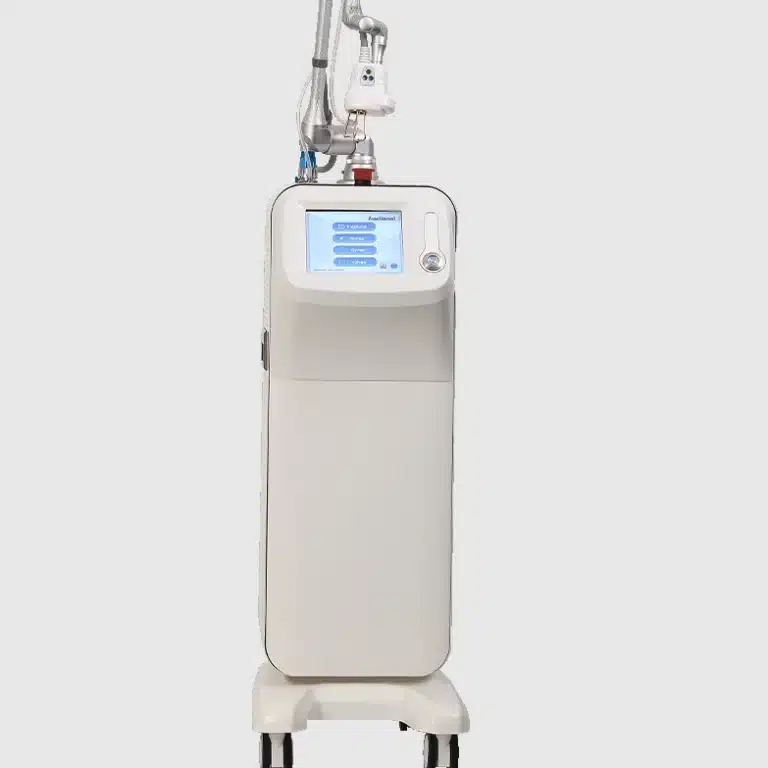
Arfurla stands as a leading Chinese manufacturer, supplier, and factory specializing in medical diode laser technology. The flagship 980nm 1470nm Multifunction Medical 12-in-1 Diode Laser Machine integrates high-power 1470 nm modules optimized for endovenous ablation alongside versatile 980 nm and 650 nm wavelengths for vascular, physiotherapy, and aesthetic applications.
As a direct factory with complete in-house R&D, production, and quality control, Arfurla provides:
- CE and FDA-cleared systems
- OEM/ODM customization (branding, software, wavelengths)
- Full range of consumables (radial fibers, introducer catheters, handpieces)
- Clinical training and marketing support
- Competitive factory-direct pricing for distributors and equipment manufacturers worldwide
Medical device companies, clinic chains, and distributors seeking reliable, high-performance 1470 nm EVLT platforms are invited to contact the Arfurla team for detailed specifications, demo units, or partnership opportunities.
Email: info@arfurla.com WhatsApp/WeChat: +86-18301023578 Website: https://www.arfurlamed.com/