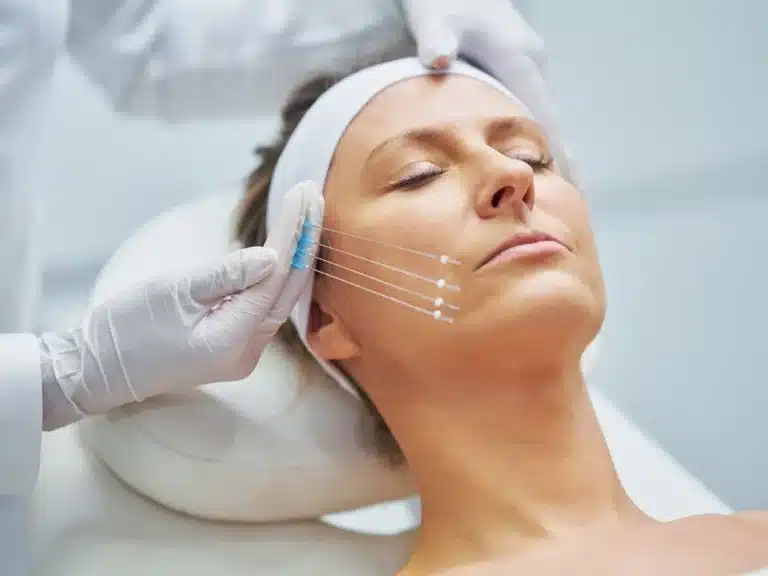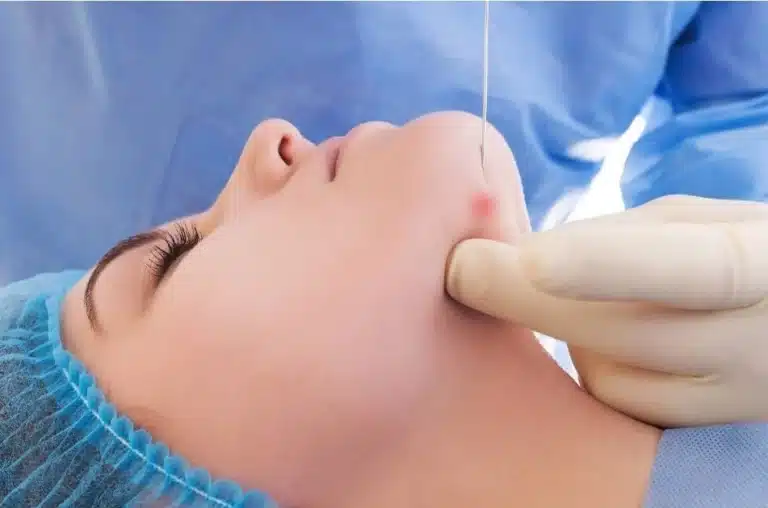
Endolift is a minimally invasive aesthetic procedure. It uses advanced diode laser technology to target sagging skin, wrinkles, uneven texture, and stubborn localized fat deposits. FDA-approved configurations and similar systems handle persistent fat in places like double chins, jowls, and back rolls. They give precise contouring without major surgery.
This treatment uses micro-optical fibers to send targeted laser energy. It promotes lipolysis and collagen stimulation. The sections below cover the science, how the procedure works, benefits compared to other options, and key practical points. Special focus goes to dual-wavelength 980nm + 1470nm systems from manufacturers like Arfurla.
Why Endolift Is All The Rage
Endolift uses laser-induced selective photothermolysis on dermal and subdermal layers. Thin optical fibers (typically 400–600 µm) go under the skin. They release heat that breaks adipocyte membranes and creates controlled thermal stress. This starts lipolysis—fat cell breakdown—and neocollagenesis. New collagen then rebuilds into thicker, better-organized reticular dermis.
The dual-wavelength method (980nm + 1470nm) improves results a lot. The 980nm wavelength absorbs strongly into hemoglobin. It helps with vascular coagulation, cuts down bleeding during the procedure, and remakes superficial collagen. It changes adipocyte membrane permeability through photochemical action. This makes cells swell for a short time and supports fluid movement that helps emulsify fat.
The 1470nm wavelength has strong attraction to water and fat. It targets adipose tissue well. It creates deeper photothermal effects and raises inner tissue temperatures to 48–50°C (while the surface stays near 41°C). This level damages adipocytes and tightens connective tissue without too much heat on the surface.
Together, these wavelengths create instant skin retraction, fat loss, and ongoing tightening from collagen changes. Results usually last 3–5 years or even more. Downtime stays low because the treatment happens outpatient with very small entry points.
What Arfurla’s Advanced Technology Brings to Endolift
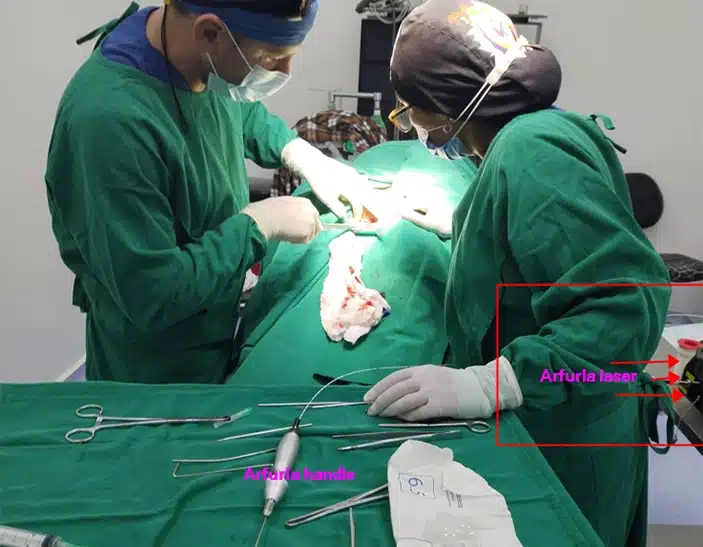
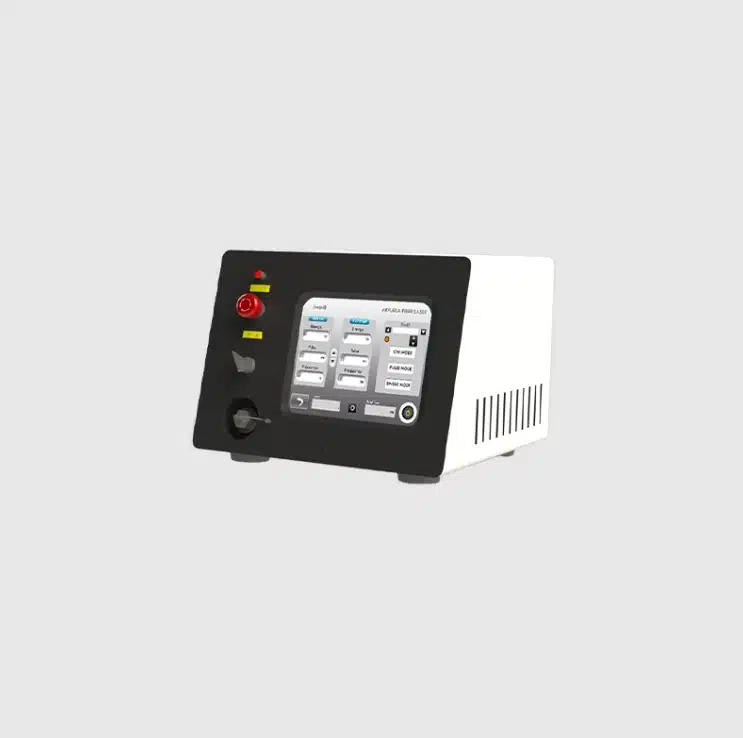
Arfurla’s 980nm + 1470nm systems come with thin optical fibers (400µm/600µm). A 2mm cannula delivers them. This setup allows smooth treatment without big cuts. The procedure uses slow, back-and-forth motions through deep, middle, and superficial layers. A red light indicator guides the process to avoid surface harm. Melted fat gets aspirated or the body absorbs it naturally.
Key advantages include:
- Minimal invasiveness with no obvious scarring
- Less blood loss and faster recovery
- Fat reduction and skin tightening at the same time
- Option to treat several areas in one session
- “Walk-in, walk-out” fit for most patients
Arfurla focuses on reliability with in-house R&D, strict quality control, and global OEM/ODM capabilities. These features make the machines a top pick for aesthetic providers who want steady, high-quality results.
The Science Behind Dual-Wavelength Technology
Dual-wavelength systems beat single-wavelength lasers. They target multiple chromophores at once. Scientific studies show that 980nm offers hemostasis and even fat breakdown. Meanwhile, 1470nm stands out in precise lipolysis and better skin retraction due to stronger water/fat absorption.
Mathematical models prove photothermal effects happen at safe depths. This lowers risks. Research on similar diode lasers shows up to 17% more skin contraction with combined wavelengths than single ones. The gain comes from teamed-up collagen stimulation and tissue coagulation.
This technology supports uniform fat emulsification. It cuts thermal harm to nearby structures. Recovery speeds up too, thanks to less inflammation and bleeding.
Detailed Procedure Protocol
The Endolift process sticks to a standard protocol for safety and steady results.
- Preparation: Surgical markings mark the treatment zones. Local anesthesia goes in through small entry points. Often, tumescent solution (e.g., saline with epinephrine) adds comfort and controls bleeding.
- Fiber Insertion: A micro-cannula places the optical fiber under the skin.
- Energy Delivery: The laser runs in continuous or pulsed mode. Slow, careful back-and-forth moves cover deep, mid, and superficial planes. The red pilot light helps control depth and prevents surface damage.
- Fat Management: Liquefied fat breaks down naturally or gets aspirated if volumes are larger.
- Duration: Sessions run 45–120 minutes, based on treated areas.
- Post-Procedure: Micro-entry points heal fast without stitches.
Arfurla systems have patented handpieces and fibers for even energy spread. They support uses from facial contouring to body areas.
Endolift Compared to Other Skin Tightening and Fat Reduction Methods
Endolift connects non-invasive and surgical choices. It brings clear benefits.
- Vs. Traditional Liposuction: Endolift skips large cuts, general anesthesia, and heavy trauma. It adds skin tightening that standard liposuction lacks. Recovery takes days instead of weeks. Bleeding risk drops too.
- Vs. HIFU (High-Intensity Focused Ultrasound): HIFU sends energy from outside for slow collagen build-up without melting fat. Endolift gives quick contouring and fat loss from inside. It fits patients with localized fat and loose skin.
- Vs. PDO Thread Lifts: Threads provide mechanical lift that lasts 6–18 months. Endolift builds biological changes for longer collagen-based results (2–5+ years) without added materials. Threads might work better for heavy sagging.
- Vs. Single-Wavelength Lasers: Dual systems boost results in lipolysis and tightening. They improve hemostasis and cut side effects.
These points make Endolift flexible for mild-to-moderate issues.
How Endolift Can Help Improve Skin and Contour
Endolift tackles many aging signs and built-up localized fat. It works for different skin tones and ages.
Common indications include:
- Double chin and submental fullness
- Jowls and jawline definition
- Facial volume loss
- Fine lines, wrinkles, nasolabial folds
- Turkey neck and décolletage laxity
- Abdominal, knee, arm, or thigh skin looseness
Immediate tightening mixes with steady gains over 3–6 months as collagen develops. Check-ups at 4–6 weeks review if more sessions help (every 6–12 months for upkeep).
Best Areas For An Endolift Treatment
Versatility covers treatment of:
- Facial: Submental, cheeks, jawline, periorbital
- Neck and décolletage
- Upper arms (bingo wings)
- Abdomen, flanks, buttocks
- Inner/outer thighs, knees, ankles
Precision works well for small fat amounts and areas prone to looseness.
Recovery Timeline and Aftercare
Recovery stays light compared to more invasive options.
- Immediate (Day 1): Mild swelling, warmth, redness appear. Normal activities start again soon.
- Days 2–7: Swelling and bruising reach max then ease. Light makeup hides it if wanted.
- Weeks 2–6: Leftover signs fade. Collagen remodeling picks up speed.
- Full Results: Best at 3–6 months.
Guidelines suggest head elevation, cool compresses, arnica use, SPF 50+, no heat or exercise for 1–2 weeks, and acetaminophen for any discomfort.
How To Make Endolift Results Last Longer
Long-term results rely on lifestyle factors: balanced diet, good hydration, skincare with retinoids/peptides, sun protection, and no smoking. Maintenance sessions keep collagen strong.
Who Is A Good Candidate For Endolift?
Candidates have mild-to-moderate laxity or localized fat. They want subtle, non-surgical improvement. Severe cases often need surgery. A consultation checks skin quality, fat placement, and goals.
Conclusion & Insights
Endolift, using 980nm + 1470nm diode laser technology, brings effective skin tightening and fat reduction. It offers precision, safety, and little interruption. Dual-wavelength synergy gives better lipolysis, hemostasis, and neocollagenesis. This leads to natural, lasting improvements.
Arfurla’s systems deliver reliable performance across many uses. They support top aesthetic outcomes.
FAQ
What distinguishes 980nm and 1470nm in Endolift systems?
980nm targets hemoglobin for coagulation and superficial remodeling; 1470nm excels in fat/water absorption for efficient lipolysis and deep tightening.
How long do typical Endolift results persist?
3–5 years or more, influenced by age, lifestyle, and maintenance.
What anesthesia is required for Endolift?
Local anesthesia suffices; sedation optional for extensive areas.
What power settings apply in Arfurla 980nm + 1470nm machines?
14–16W for sensitive zones; 18–22W for body areas.
Can multiple areas undergo treatment in one session?
Yes, with minimal entry points.
Why prefer dual-wavelength over single-wavelength lasers?
Enhanced fat melting, skin contraction, reduced bleeding, and comprehensive tissue effects.
Partner with Arfurla as Your Trusted Manufacturer and Supplier
Arfurla, a specialized manufacturer, supplier, and factory, produces advanced 980nm + 1470nm diode laser systems optimized for Endolift and multifunction use.
Distributors, importers, and aesthetic equipment purchasers gain advantages through:
- Competitive bulk/OEM/ODM pricing
- Custom configurations and branding
- 2-year warranties with global support
- Technical training, fibers, handpieces, and accessories
Contact for quotations, specs, or partnership details. Email: info@arfurla.com Phone/WhatsApp: +86-1830-1023-578 Website: https://www.arfurlamed.com/
Inquire today for distributor opportunities and elevate product lines with proven Endolift technology.