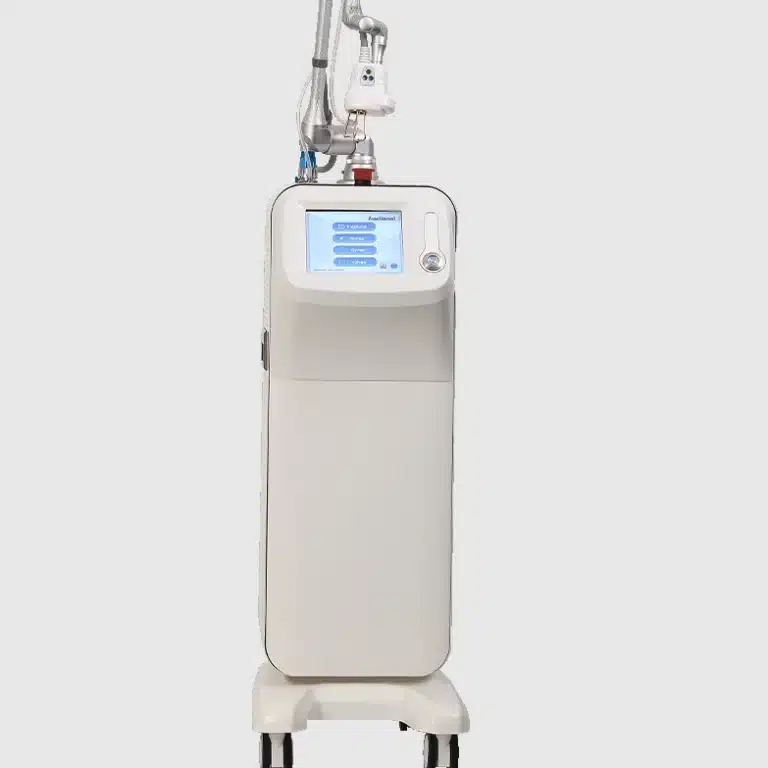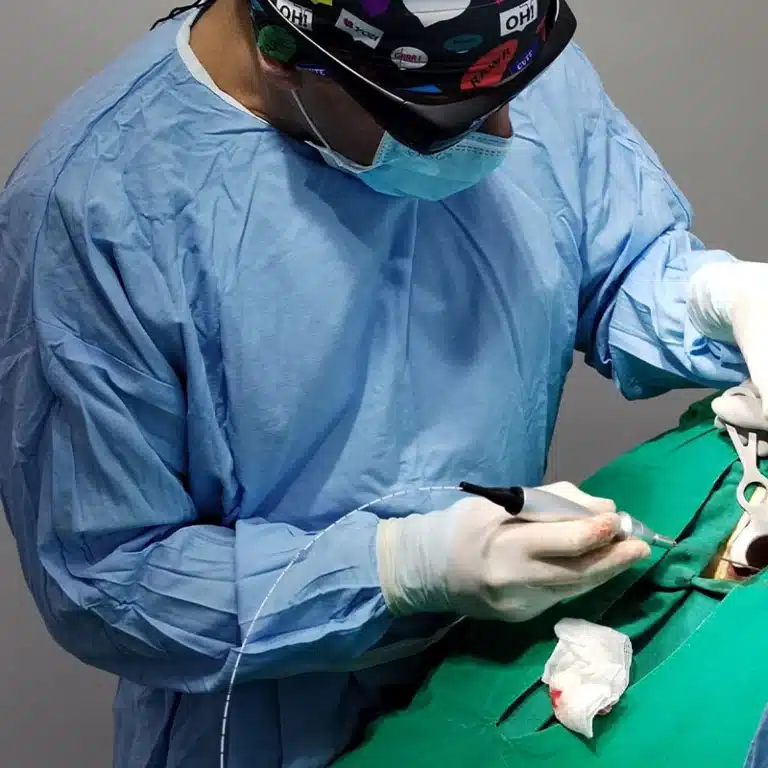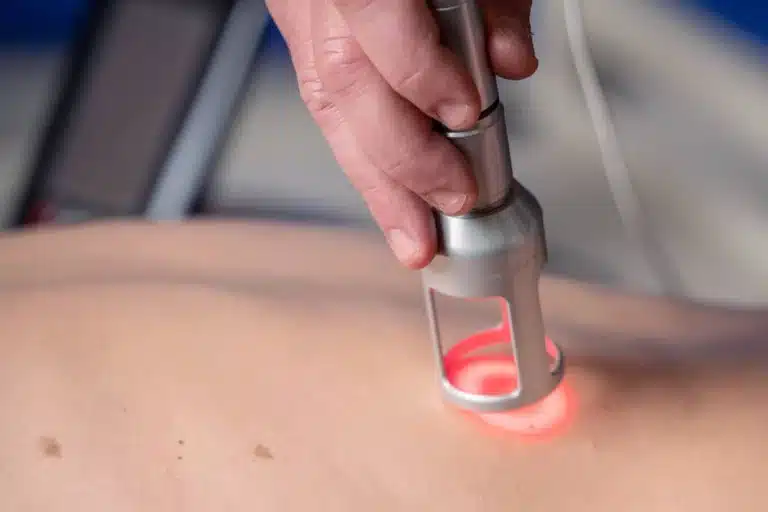
In veterinary medicine, new tools keep appearing. These tools help manage pain, speed up healing, and improve surgeries for animals. Many vets now choose veterinary laser therapy. They often use diode lasers with wavelengths like 980nm and 1470nm. This method is gentle or only slightly invasive. It gives exact treatment for many problems in dogs, cats, horses, and other animals.
This article looks at what veterinary laser therapy means. It explains how it works and the reasons it helps. It also covers the many good points for animal care.
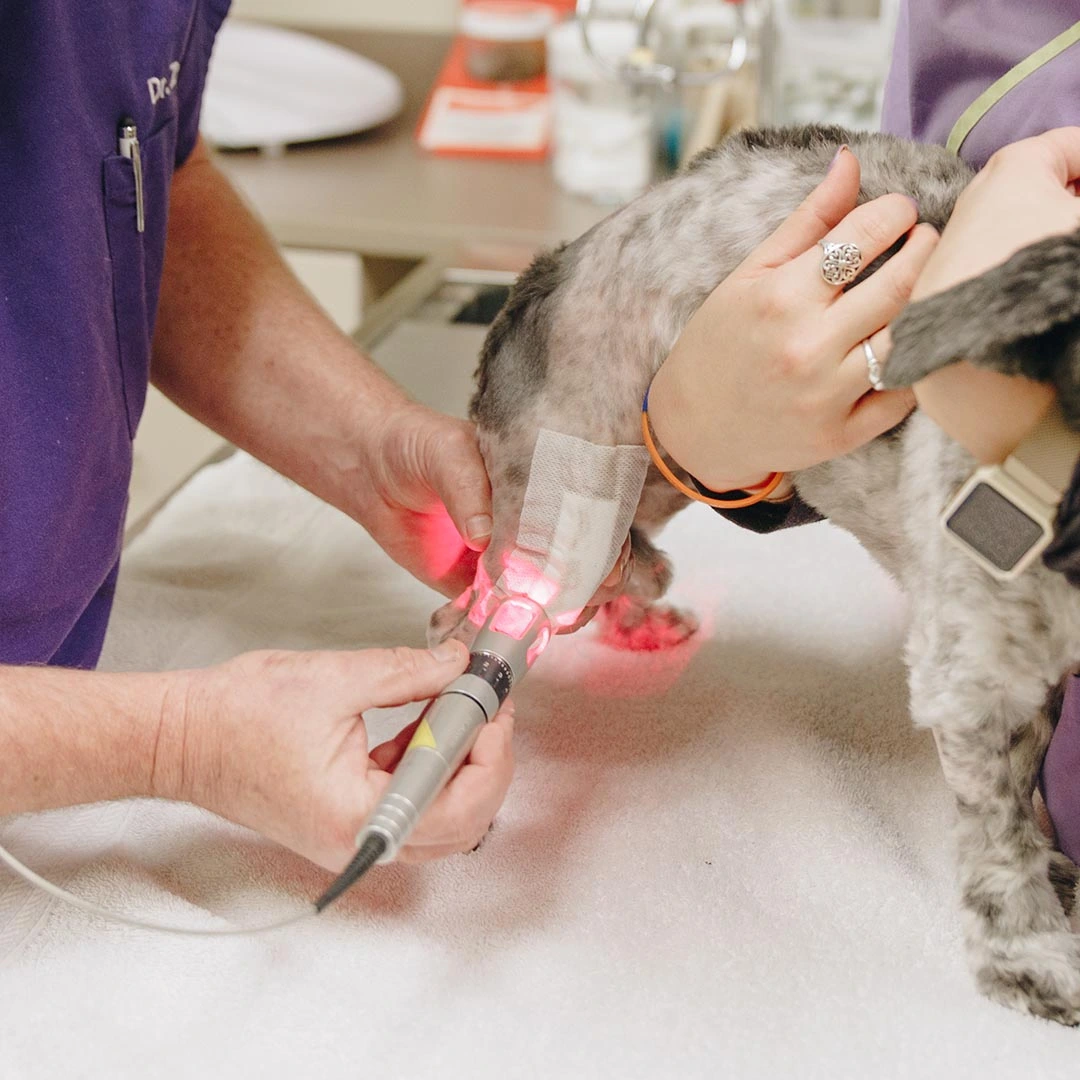
What Is Veterinary Laser Therapy?
Veterinary laser therapy uses special medical tools. These tools send out focused light at certain wavelengths. The light interacts with tissues. Devices that run at 980nm and 1470nm diode lasers work very well. They absorb nicely in water and hemoglobin. This allows targeted energy to reach the right spots.
Traditional surgical tools are different. Therapy lasers can work in low-power modes. These modes help healing and ease pain. People call this low-level laser therapy or LLLT. It is also known as cold laser therapy. Higher power modes allow precise cutting and clotting during surgery. These lasers cause no pain in treatment uses. They support natural healing without big cuts.
How Does Veterinary Laser Therapy Work?
The treatment starts when laser light goes through the skin. It reaches deeper tissues. Cells absorb the photonic energy. This stimulates mitochondria. As a result, cells make more ATP. Cellular metabolism gets a boost.
Important effects include several changes. Blood flow increases. Better circulation brings more oxygen and nutrients to hurt areas. This aids tissue repair. Inflammation decreases. Laser energy calms inflammatory responses. Swelling drops, and discomfort lessens. Pain eases too. The energy blocks pain signals and helps release endorphins. This gives natural relief.
Tissue repair speeds up. Fibroblasts get stimulated. Collagen production rises. Damaged cells regenerate faster.
In surgery modes, the 1470nm wavelength shines in water absorption. It allows precise removal of tissue. The 980nm helps with hemostasis. It targets hemoglobin. Bleeding stays low, and heat damage to nearby tissues remains small.
Benefits of Veterinary Laser Therapy
Diode laser therapy with 980nm and 1470nm wavelengths brings many gains. It serves as a flexible tool in today’s veterinary work.
Non-Invasive or Minimally Invasive Treatment
Therapy sessions need no cuts. Even surgery uses smaller openings than old methods. This lowers risks for animals that react poorly to anesthesia.
Effective Pain Management
Long-term issues gain much help. Conditions like arthritis, intervertebral disc disease, or pain after surgery improve. Low-level therapy cuts the need for drugs. Quality of life rises over time.
Faster Recovery Times
Better blood flow and less swelling lead to quick healing. This happens after injuries or operations. Animals often get back to normal activities sooner. They need less care afterward.
Versatility Across Species and Conditions
Power settings can change. This makes lasers fit small pets like rodents and cats. It also works for big animals such as horses. They handle varied needs from soft tissue work to rehab therapy.
Minimal Side Effects
Treatments stay safe. Bad reactions almost never happen. Animals usually stay calm during sessions. They feel only a mild warm sensation in therapy modes.
Complementary to Other Treatments
Laser therapy fits well with drugs, physical therapy, or standard surgery. It boosts results overall and causes no issues.
Precision and Reduced Bleeding in Surgery
High-power modes offer great clotting. Blood loss stays low. Sutures are often not needed.
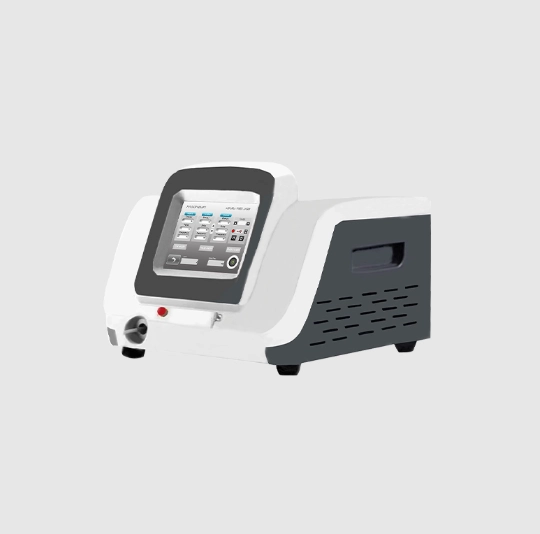
Common Conditions Treated with Veterinary Laser Therapy
980nm and 1470nm diode lasers handle a wide range of veterinary problems:
- Arthritis and degenerative joint disease
- Soft tissue injuries, strains, and sprains
- Post-surgical recovery and wound debridement
- Chronic wounds, ulcers, and burns
- Skin tumors, warts, and cutaneous masses
- Ear infections (otitis) and anal gland issues
- Dental and periodontal disease
- Back pain and intervertebral disc disease
- Dermatological conditions like hot spots and lick granulomas
- Tumor removals and mass excisions
- Orthopedic inflammation and trauma
- Inflammatory conditions such as cystitis or sinusitis
Surgical uses cover tasks like declawing, castrations, tumor bed ablations, and more involved work. Examples include partial hepatic lobectomy or cranial cruciate ligament debridement.
What to Expect During a Veterinary Laser Therapy Session
Sessions usually run 10 to 30 minutes. The length depends on the area and problem. For therapy, the handheld tool moves over the spot. It delivers energy without touch or pain. Animals often relax during this.
Surgical steps may use fiber optic delivery. This ensures accuracy inside the body. Sedation is rarely needed for therapy. Recovery starts right away.
Advanced Veterinary Laser Technology: Precision and Innovation
Combining 980nm and 1470nm wavelengths marks a big step forward in veterinary laser systems. This dual setup improves tissue interaction. The 1470nm handles water absorption best. It leads to controlled removal. The 980nm provides strong hemostasis. Outcomes include better accuracy, shorter procedure times, and greater comfort for patients across species.
Extra gains cover cost savings from sturdy parts, fewer issues, and flexibility for therapy and surgery.
Frequently Asked Questions (FAQ)
What is the difference between laser therapy and laser surgery in veterinary medicine?
Laser therapy applies low energy. It eases pain, cuts inflammation, and aids healing. Laser surgery uses higher power. It cuts, clots, and removes tissue with little bleeding.
Is veterinary laser therapy safe for all pets?
Yes, it stays safe for animals of every age, breed, and size. Side effects remain very rare. Settings adjust to fit each case.
How many sessions are typically needed?
Therapy often needs 3-6 visits for clear improvement. Acute problems may require fewer. Surgery is usually done once.
Does veterinary laser therapy hurt?
No, therapy sessions cause no pain. Animals often find them soothing. Surgery causes less discomfort than traditional ways.
Can laser therapy replace medications?
It can lower the need for pain drugs. Yet it works best alongside other care.
What conditions benefit most from 980nm and 1470nm lasers?
Chronic pain, arthritis, wounds, recovery after surgery, soft tissue operations, and inflammation respond very well.
Partner with a Leading Veterinary Laser Manufacturer and Supplier
Veterinary clinics and distributors want top-quality, dependable diode laser tools. They gain from working with skilled manufacturers. Arfurla serves as a professional factory and supplier in China. The company focuses on advanced 980nm and 1470nm diode laser systems. These fit veterinary uses, including therapy and surgery.
As a direct manufacturer with OEM and ODM services, Arfurla offers multi-function platforms. These show proven precision, durability, and versatility. Reach the team now at info@arfurla.com or +86-1830-1023-578. Discuss wholesale options, custom ideas, or product demos. This can improve veterinary practice abilities.