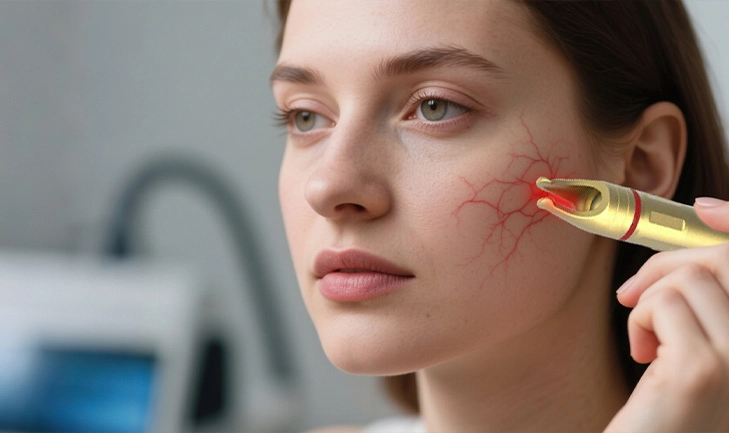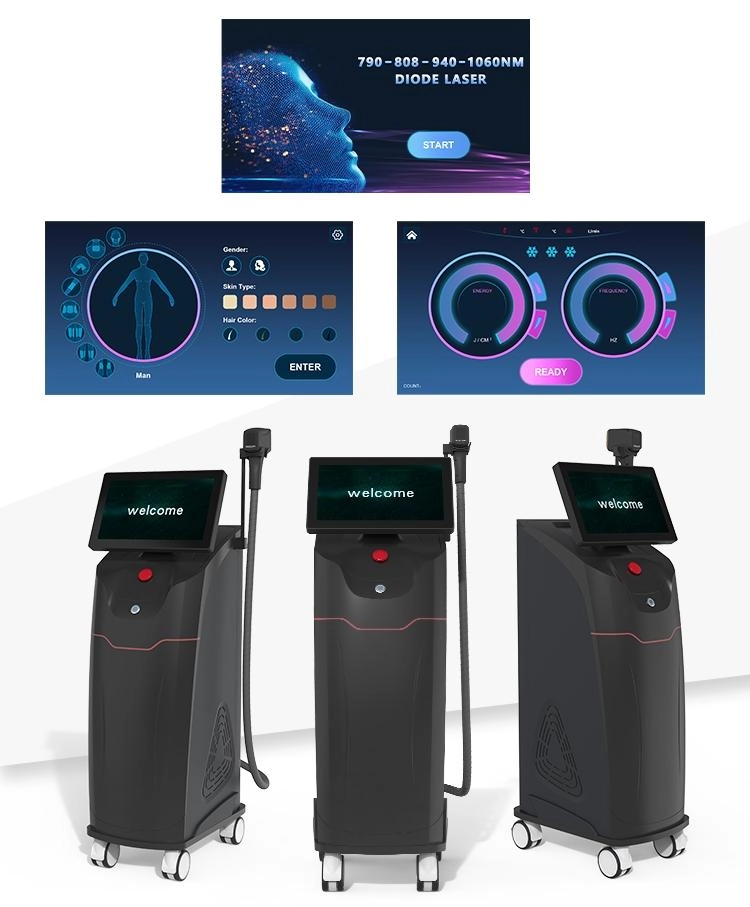
The 980nm diode laser serves as a modern, gentle method created especially for handling onychomycosis, which people often call nail fungus or toenail fungus. This common infection comes mostly from dermatophytes like Trichophyton rubrum, plus some yeasts and other molds. It attacks the nail plate, the bed underneath, and nearby skin areas. As a result, nails show yellow-brown stains, become thick and brittle, start to crumble, separate from the bed (onycholysis), and sometimes cause pain or extra bacterial problems in bad cases.
The 980nm wavelength sits in the near-infrared range. It gets strongly absorbed by water inside body tissues, which helps transfer heat well. This allows the laser to go through the hard keratin layer of the nail—something that often blocks creams—and send focused warmth straight to the fungus spots in the nail bed. The heat breaks down fungal cell walls and life processes, killing the infection while leaving the healthy nail root and skin around it safe.
Arfurla’s 980nm diode laser systems, such as those built into the AFL Medical 12-in-1 multifunctional platform, are built carefully for foot care work. Arfurla , a top high-tech maker in Hangzhou, China, creates these tools with their own research team, tight quality checks, CE/ISO approvals, and worldwide OEM/ODM services. This makes them steady choices for doctors and clinics.
How does Laser Treatment Work?
The way it works rests on three main ideas: steady deep heating with pulses, help for the body’s own repair, and balanced spread of power.
- Deep, Pulse-Profile Heating: The 980nm laser sends out careful light bursts that move past the nail top to reach the bed below. The absorbed light turns into warmth, raising the temperature in the infected spot to levels that damage fungal proteins and break cell parts (usually peaking at 45–55°C, strong enough to kill fungus without hurting normal tissue too much).
- Stimulation of Natural Healing: The small heat boost increases blood flow nearby, brings more oxygen, and wakes up the body’s defenses in the skin around the nail and the growth area. This helps clean up leftover fungus bits and encourages fresh, clear nail to grow from the base.
- Even Distribution of Energy: Different from creams that struggle to spread deep, the laser light scatters smoothly across the area. It reaches hidden fungus pockets under the nail or along the sides where separation has happened.
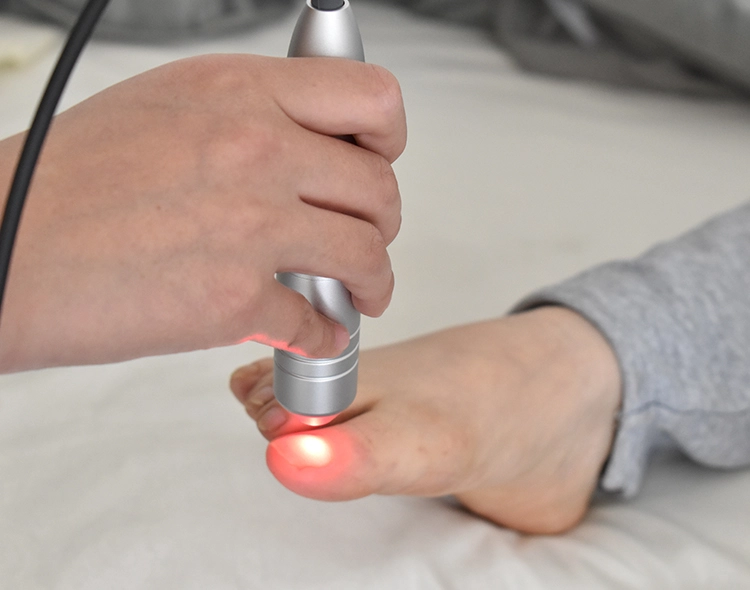
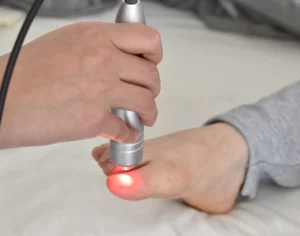
In a normal visit, the doctor may file down thick parts first if needed. Then the person operating the device moves the handpiece back and forth in a careful pattern over the bad nail(s). Each visit takes about 20–30 minutes. Patients feel just a light warm feeling. No numbing shot is used, and there is no recovery time—people leave right away and go back to regular routines.
What Types of Nail Fungus Can 980nm Laser Treatment Address?
Doctors group onychomycosis like this:
- Distal/lateral subungual onychomycosis (most common kind, begins at the outer edge)
- Proximal subungual onychomycosis (linked often to weak immune systems)
- Superficial white onychomycosis (affects just the surface)
- Total dystrophic onychomycosis (very advanced, with full nail damage)
- Candidal onychomycosis (from yeast, more often on fingernails)
The 980nm laser handles these different forms well, especially the ones driven by dermatophytes that show up most in toenails. It works nicely for medium or serious cases, ones that keep coming back, or for people who cannot take pills because of liver issues or drug clashes. The problem hits older adults harder (over 60 years old, up to 30% get it), along with diabetics, sports players, and those with lowered immunity, due to damp settings and weaker defenses.
What are the Benefits of 980nm Laser Nail Fungus Removal Treatment?
This approach brings clear pluses compared to usual fixes:
- Non-Invasive and Side-Effect-Free: No risks from drugs going through the whole body (like liver harm from oral terbinafine or itraconazole), no cuts, and almost no bad reactions seen in practice.
- Superior Penetration and Efficacy: It reaches deep into the nail bed area, fixing the weak points of creams (they fail to get through keratin) and pills (cure rates often around 50–70%).
- Minimal Discomfort and Convenience: Only a gentle warm touch; short 20–30 minute visits; back to daily life at once.
- Enhanced Healing and Aesthetics: It supports growth of smooth, tough new nails and betters blood supply in the spot.
- Broad Patient Suitability: Good for people who skip drugs or fight stubborn infections.
- High Patient Satisfaction: Real-world notes show steady clearing of nails and few returns when paired with clean habits.
Clinical Evidence and Outcomes
Research on 980nm diode lasers against onychomycosis shows hopeful signs. Lab tests prove it stops fungus growth (for example, against T. interdigitale and Candida types at certain doses), and real use leads to better-looking nails in many cases after treatments. Some findings note up to 80% better appearance at 12 months in certain groups, though results depend on the exact plan, how bad the case is, and extra care steps. In similar diode laser work, clear fungus tests reach 63–86% (with laser by itself or added to creams), doing better than many old methods in terms of safety. Long-term results look good, with no known bad effects listed.
What Can Be Expected From This 980nm Laser Treatment?
The process starts with a check-up and maybe some filing. The laser gets applied several times over each nail until the right amount of energy goes in. A mild warming happens while it works.
Changes show up slowly: less color and bulk as the fungus dies off, then healthy nail pushes out from the root (toenails grow about 1 mm each month, so full clear-up takes 6–12 months). Most plans call for 4–6 visits, set 4–6 weeks apart, to build the effect.
After care means strict cleanliness: wash and dry feet every day, choose shoes that let air in, stay away from bare feet in wet public spots (like pools or gyms), clean shoes often, and trim nails right. These steps cut the chance of getting it again.
Arfurla’s AFL Medical 12-in-1 system includes the 980nm laser for many foot care jobs, giving steady, expert-level work.
Prevention and Long-Term Management
Stopping it from coming back matters a lot. Keep feet dry, use antifungal powders or sprays as prevention, pick socks that pull away sweat, clean shared clippers, and watch for early warning signs. Mixing laser care with better foot habits leads to lasting clear results.
FAQ
Does laser really work for toenail fungus?
Studies and real results back the 980nm diode laser as helpful in cutting fungal amounts, growing clearer nails, and giving better safety than many standard treatments.
How many laser treatments are needed for nail fungus?
Usually 4–6 visits lasting 20–30 minutes each, spaced 4–6 weeks apart, adjusted to how serious the infection is and how the person responds.
Can you paint toenails after laser treatment?
Nail polish goes on fine right after a session. Just take off all polish, lacquers, or covers before each visit so the laser can reach fully.
Partner with Arfurla as Your Trusted Manufacturer, Supplier, and Factory
Hangzhou Arfurla Science & Technology Co., Ltd. stands out as a leading manufacturer and supplier of 980nm diode laser systems, including the AFL Medical 12-in-1 multifunctional platform made for onychomycosis and podiatry needs. With strong in-house R&D, modern production lines, CE/ISO standards, wide OEM/ODM skills, lifetime tech help, and support for marketing, Arfurla delivers solid, top-performing options for clinics, distributors, and medical device companies around the world.
Clinics, wholesalers, or distributors looking for large orders, custom setups, or ways to add proven 980nm laser tech for nail fungus care should reach out to Arfurla. Send email to info@arfurla.com, call/WhatsApp +86-1830-1023-578, or fill out forms on the website for price quotes, training options, and ways to work together.