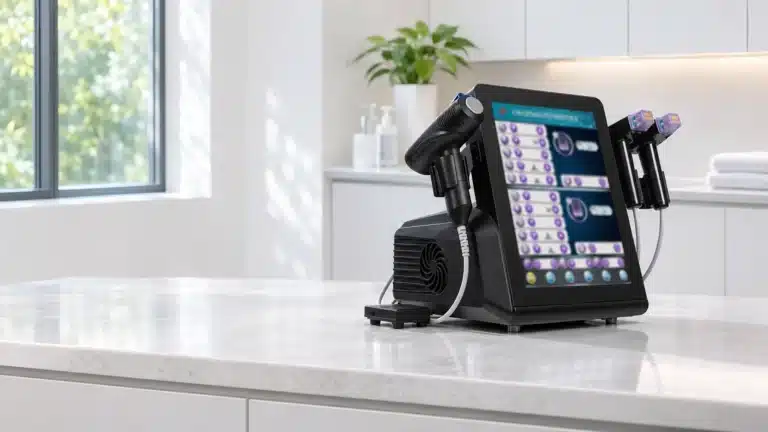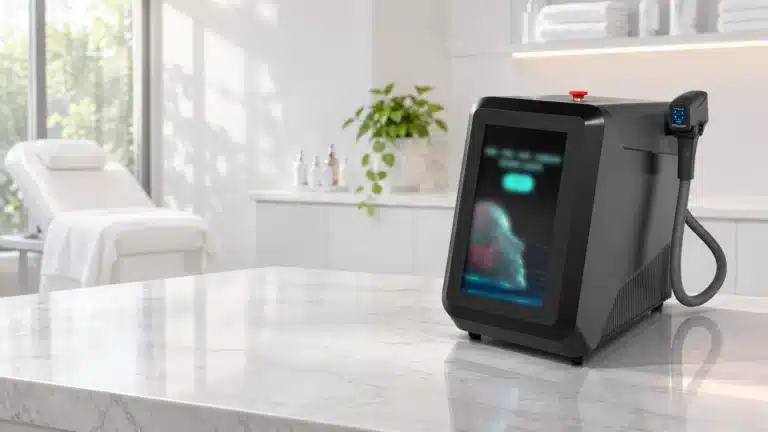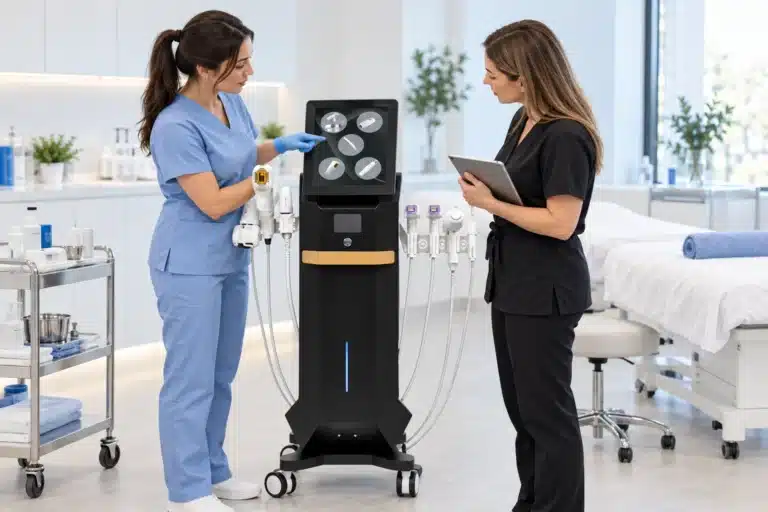
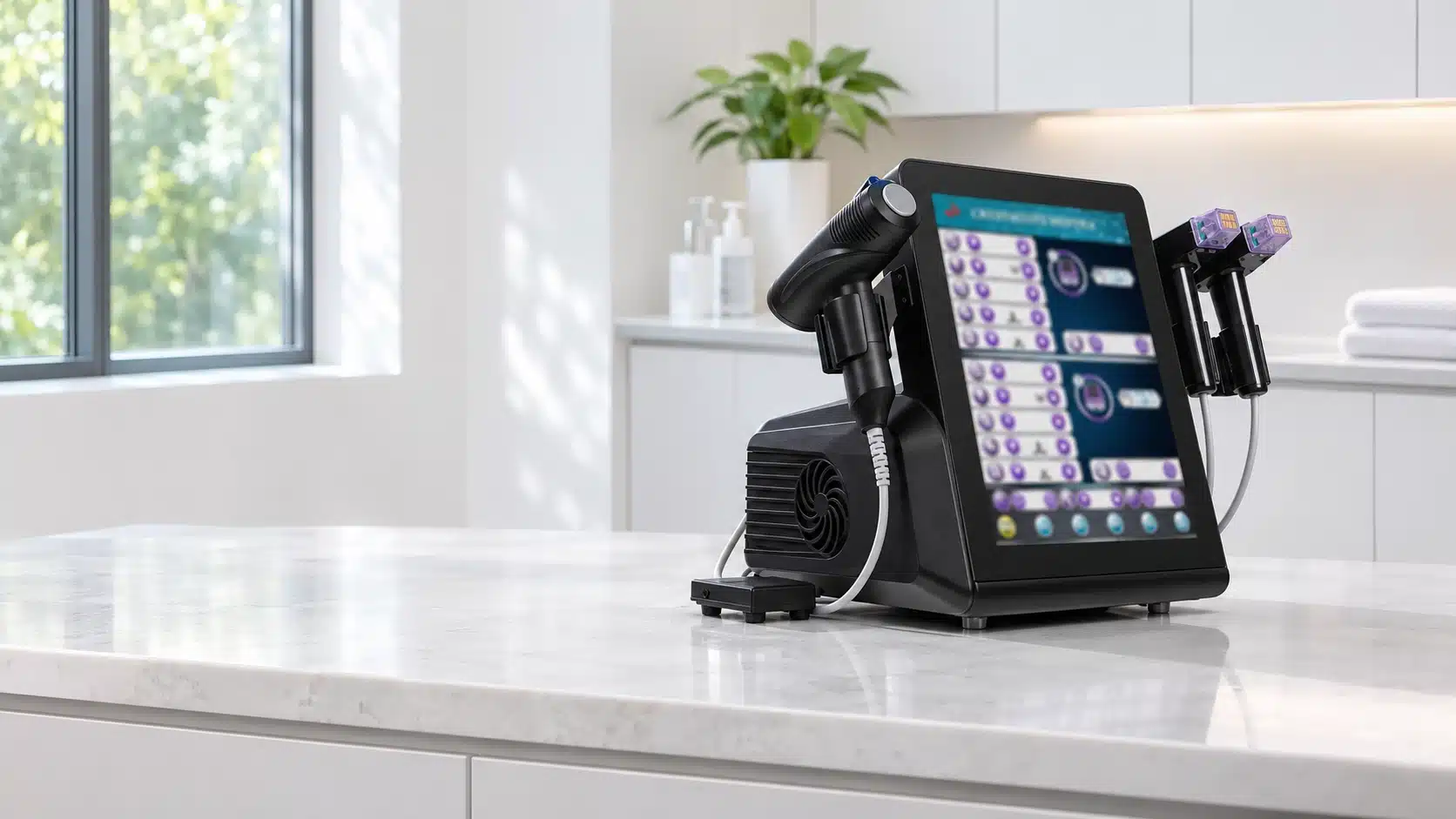
An RF microneedling machine should be evaluated as a system made up of the console, handpiece, cartridges, software controls, cleaning workflow and technical support. The purchase price is only the first cost. A clinic also needs to know which needle configurations it will use, how often cartridges are consumed, how settings are controlled, and how quickly the system can return to service after a fault.
The buying process starts with the clinic’s planned services and works backward to a controlled accessory list. This prevents the team from paying for rarely used options or discovering after delivery that an important cartridge, spare handpiece or training module was not included.
Start with the Clinic’s Intended Services
Define the treatment areas, expected appointment volume, operator qualifications, room schedule and the types of protocols the clinic plans to offer. Separate launch-ready services from ideas that may be added later. Each planned service should have an assigned operator, approved workflow, required cartridge type and realistic monthly volume.
Use this operating profile to screen the RF microneedling machine category. A compact system may suit a clinic that moves equipment between rooms, while a vertical console may be easier to organize in a dedicated treatment space. Form factor is an operating choice, not evidence that one machine is more clinically appropriate.
Compare Console and Handpiece Architecture
Ask how the console identifies the connected handpiece and cartridge, which settings are available to the operator, and whether software limits depend on the selected accessory. Confirm the display units, adjustable depth range, RF mode options, energy controls and any automatic checks. These details must come from the exact model manual and training package because similar-looking systems may use different controls.
Arfurla lists a vertical RF microneedling system and a portable RF microneedling system. Request a model-specific configuration showing the console, handpiece, supplied cartridges, optional items, software version and service requirements. Product names alone do not establish that the two units accept the same accessories.
Build a Cartridge and Needle Configuration Matrix
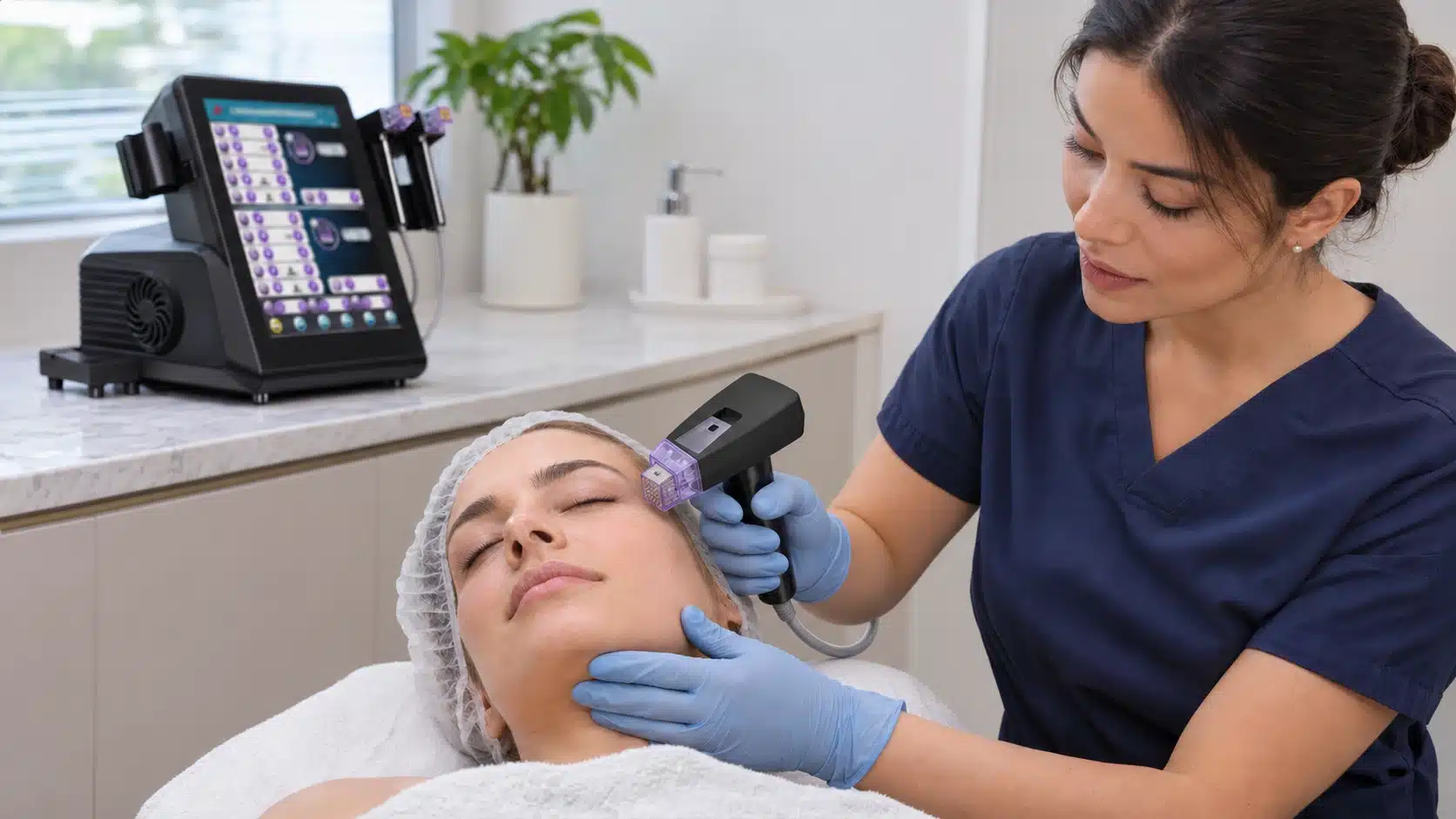
Cartridge choice should follow the intended protocol, treatment area and manufacturer documentation. Record each cartridge part number, needle count or surface type, insulated or non-insulated construction where applicable, supported depth range, compatible handpiece, packaging quantity and single-use status. Do not substitute a cartridge because it fits physically or resembles another model’s accessory.
Separate Needle Count From Treatment Purpose
Needle count can affect coverage pattern and how the handpiece is used, but the number alone does not define the correct application. Ask the supplier to map every available configuration to documented treatment areas and operating limits. Confirm whether any surface or non-needle option is available and how its controls differ from penetrating cartridges.
Verify Cartridge Recognition and Lockout Behavior
Ask whether the system recognizes cartridge type, tracks use, prevents reuse or blocks incompatible settings. Determine what information is visible to the operator and what happens if recognition fails. If a counter is used, confirm when it starts, what event ends usable life, and whether interrupted appointments affect the remaining count.
Treat Cartridges as Controlled Consumables
A cartridge is not merely an accessory line on a quotation. The clinic needs lot traceability, packaging and storage instructions, expiration control, disposal steps and a defined reorder point. Confirm whether the item is sterile, single-use or subject to another documented handling rule. Never assume that cleaning makes a single-use cartridge reusable.
Use the official RF microneedle probe listing to identify candidate accessories, then ask for the exact part numbers compatible with the quoted machine. The purchase order should state the model, handpiece, cartridge configuration, package quantity and documentation required. This is safer and easier to audit than ordering by a general description such as RF tip.
Calculate Operating Cost Per Appointment
Model cost from actual appointment inputs. Include the number and type of cartridges used, preparation and cleaning materials, protective items, operator setup time, post-use handling and an allowance for damaged or expired stock. Add freight, minimum order quantities and lead time when cartridges are sourced internationally. A low cartridge price can still create a high inventory cost if pack sizes are large or delivery is slow.
Then add equipment-level expenses: preventive maintenance, handpiece repair, software or service charges where applicable, training for new staff, shipping for repairs and revenue lost during downtime. Divide the combined annual cost by a conservative number of completed appointments. This produces a planning figure that can be updated as utilization and consumption data become available.
Check Maintenance and Downtime Exposure
Request a preventive-maintenance schedule and a list of parts the clinic may inspect or replace. Ask how the handpiece, cable, connector and cartridge interface should be checked before use, and which cleaning agents are approved for external surfaces. Confirm the response to bent pins, damaged packaging, connection errors, abnormal heating or inconsistent cartridge recognition.
The support plan should state troubleshooting channels, response hours, remote diagnostic capability, spare-part availability, repair location, expected turnaround and loan-unit policy if available. For a busy clinic, the useful question is not only how often a fault may occur. It is how many appointments are exposed when the single handpiece or console is unavailable.
Test Workflow Before Approving the Configuration
Run a dry workflow with the intended operators. Simulate cartridge selection, package inspection, attachment, setting confirmation, disposal, handpiece cleaning and room turnover. Check whether unused and used cartridges can be kept clearly separated and whether the screen remains visible from the operator’s working position. Time the full changeover rather than the treatment step alone.
Review the RF microneedling technology overview for general context, but use the model manual and training records as the operating authority. The clinic should document competency for the exact machine and define who may change protocols, update software or approve new cartridge types.
Normalize Supplier Quotations
Create one comparison sheet for every supplier. List the console, handpiece count, each included cartridge type and quantity, optional accessories, training, installation, freight, warranty, preventive service and replacement pricing. Require suppliers to mark exclusions. Two quotations with similar totals may represent very different starting inventories and support commitments.
Ask for current manuals, accessory compatibility tables and written confirmation of cartridge supply. Verify labels and part numbers during delivery. The acceptance check should cover startup, handpiece connection, cartridge recognition, control display, alarms and the contents of the shipment. Record the baseline condition before routine use.
Set Inventory Rules for Cartridges and Spares
Set a reorder point for each cartridge type from expected weekly use, delivery lead time and a reasonable safety stock. Track consumption by appointment and investigate unexplained variance. Keep rarely used configurations in smaller quantities when shelf life and minimum order rules allow. Store visually similar cartridges in labeled locations that show the compatible system and part number.
Justify a spare handpiece, cable or other part by downtime risk. Compare its cost with appointments likely to be lost during a repair. Rapid replacement support may reduce local stock needs, while international repair shipping may justify a more conservative plan.
Conclusion
A professional RF microneedling machine is a recurring operating commitment, not a one-time console purchase. Clinics should match the machine to a defined service plan, verify every cartridge and needle configuration, calculate consumable and downtime cost, test room workflow, and document supplier support. That process produces a configuration the team can stock, train and maintain with fewer surprises.
FAQs
Are RF Microneedling Cartridges Interchangeable
Do not assume so. Compatibility depends on the exact machine, handpiece, software, recognition method, physical interface and manufacturer documentation. Obtain written part-number confirmation.
How Many Cartridge Types Should a Clinic Stock
Stock the configurations required for launch-ready services, then add others only when a documented protocol, trained operator and realistic appointment volume justify them.
What Costs Belong in the Ownership Model
Include cartridges, preparation and cleaning supplies, freight, minimum orders, expired stock, maintenance, handpiece repair, staff training, service shipping and downtime.
What Should Be Confirmed Before Delivery
Confirm the exact console, software version, handpiece count, compatible cartridge part numbers, included quantities, training, manuals, warranty, service pathway and destination-market requirements.
Request a Cartridge and Configuration Review
For a model-specific review, contact the Arfurla technical team with the planned services, treatment areas, expected monthly volume, operator experience, preferred console format, cartridge needs, spare requirements and delivery market.