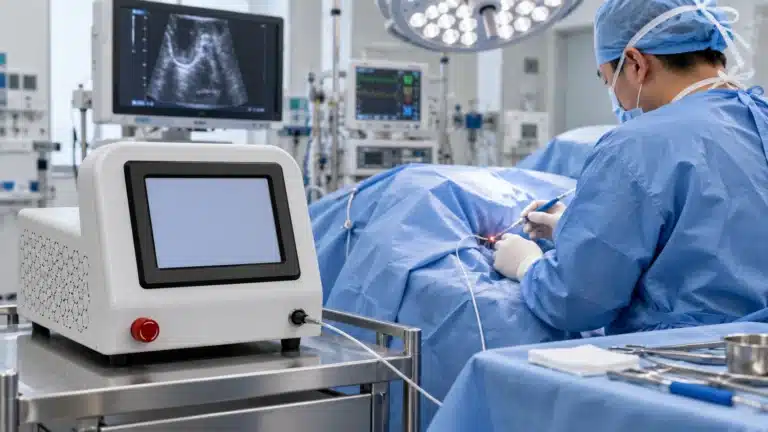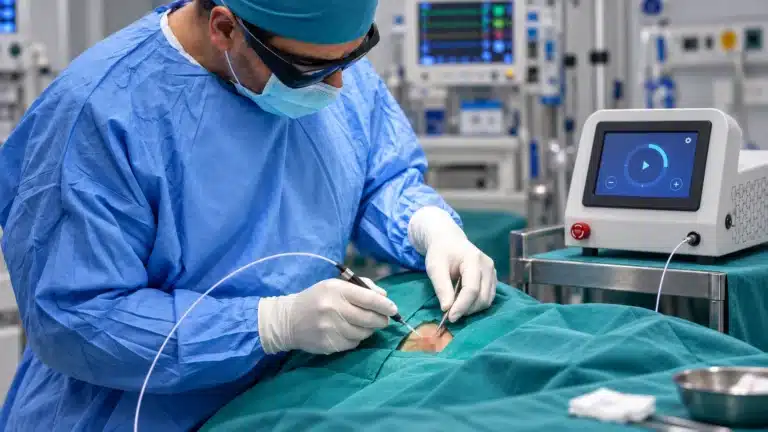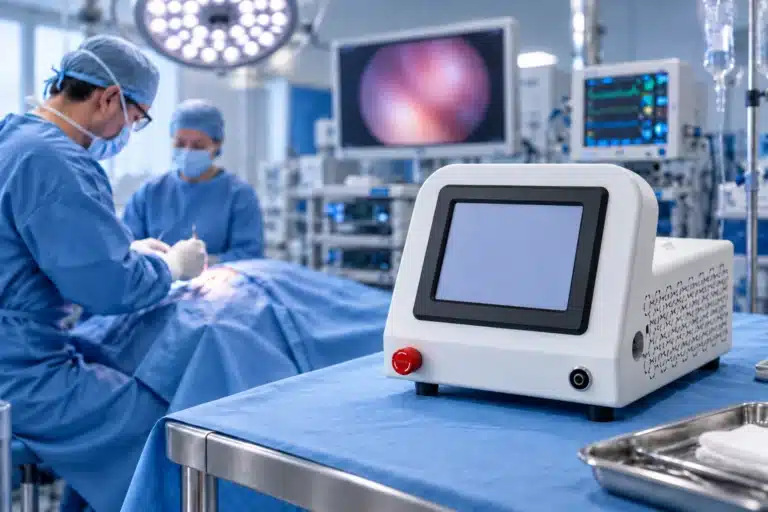
Laser therapy has become a useful method in current veterinary medicine. Veterinary clinics now use diode laser systems more often for both treatment and surgery in animals. The use of 980nm and 1470nm wavelengths provides exact energy delivery. This helps with pain relief, reduction of inflammation, and faster healing. It also allows minimally invasive procedures on soft tissue.
This modern technology causes less harm than traditional scalpels or electrocautery. As a result, animals experience shorter recovery times, less bleeding, and greater comfort. The approach works well across many species. These range from small rodents to large animals such as horses.
Is Laser Therapy Effective?
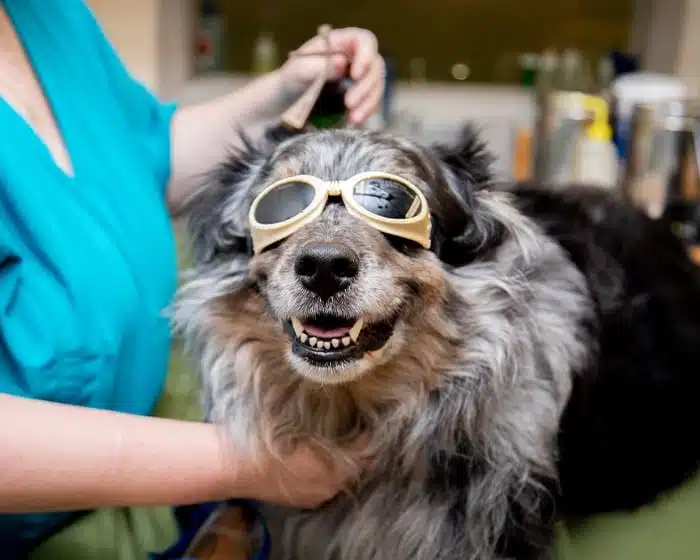
Clinical studies show that laser therapy works well in veterinary practices. Diode lasers support photobiomodulation. In this process, light energy activates cells at the mitochondrial level. This action raises ATP production, improves blood flow, and adjusts inflammatory responses.
Clinics notice clear gains in movement for animals that have long-term conditions. They also see quicker healing of sudden injuries. Outcomes differ by each case. Yet repeated sessions often bring steady results in pain control and tissue repair. Veterinary experts review the needs of each patient. They decide if the treatment fits and what benefits to expect.
How Do Lasers Function in Veterinary Applications?
Veterinary lasers send out focused, single-color, coherent, and parallel light beams. In treatment modes, lower settings go into tissues without heat damage. These settings start the body’s natural healing steps. In surgery modes, higher power allows accurate cutting and clotting through selective photothermolysis. Here, certain wavelengths focus on water or hemoglobin in tissues.
The 980nm wavelength gives good uptake in water and hemoglobin. This makes it suitable for various cutting and stopping blood flow. The 1470nm wavelength has stronger uptake in water. It allows effective removal of soft tissue with little harm to nearby areas. Multi-function systems combine these wavelengths. They offer adjustable power levels. This lets users switch easily between therapy and surgery in one unit.
What Is the Mechanism Behind Laser Therapy?
The main process is photobiostimulation. Laser photons connect with chromophores in cells. They especially affect cytochrome c oxidase in mitochondria. This link speeds up electron transport. It raises cell activity and releases signaling molecules. These molecules lower pro-inflammatory cytokines. At the same time, they raise anti-inflammatory mediators.
Other effects include widening of blood vessels. This brings better oxygen and nutrient supply. The process also triggers endorphin release for natural pain relief. It stimulates fibroblast activity. This supports collagen production and wound closing. In surgery, the laser energy closes vessels right away. It does this through protein changes and clotting. This greatly cuts bleeding during the operation.
What Conditions Can Laser Therapy Address?
Laser systems handle many veterinary needs. These include:
- Musculoskeletal and Pain-Related Conditions: Arthritis, degenerative joint disease, hip dysplasia, intervertebral disc disease, back pain, sprains, strains, tendon and ligament injuries, and muscle atrophy.
- Wound and Skin Issues: Chronic wounds, burns, ulcers, traumatic injuries, hot spots, lick granulomas, dermatitis, skin tumors, and post-surgical sites.
- Dental and Oral Conditions: Gingival hyperplasia, periodontal disease, tonsillitis, and tooth extractions.
- Ear, Nose, and Throat Problems: Acute or chronic otitis, sinusitis, and rhinitis.
- Other Applications: Anal gland inflammation or abscessation, idiopathic cystitis, orthopedic inflammation, and various elective or oncologic procedures such as tumor removal, spay/neuter, declaw, and mass excisions.
The technology also helps with eye procedures for retinal problems or cataracts. It aids in cleaning infected wounds or tumor areas.
What Are the Advantages of Laser Therapy?
Veterinary laser platforms offer several practical and clinical benefits:
- Superior Precision and Safety — Adjustable power settings prevent overheating in delicate areas such as oral mucosa or eyes. This ensures controlled energy delivery.
- Reduced Procedure Time — Instant hemostasis removes the need for much clamping or suturing. Minimal post-operative swelling allows shorter anesthesia times and quicker recoveries.
- Versatility Across Species — Parameter customization fits patients from small exotic animals to large equines.
- Cost Efficiency — Lower complication rates reduce follow-up visits. Durable laser fibers last through hundreds of procedures. This lowers consumable costs for veterinary practices.
- Enhanced Patient Comfort — Photobiomodulation decreases the need for systemic analgesics. The non-contact or minimally invasive nature limits mechanical trauma compared with conventional tools.
These advantages improve workflow in busy clinics. They also raise satisfaction among pet owners.
Clinical Applications and Functions for Veterinary Laser
Soft Tissue Surgery
Diode lasers perform well in tumor removal. They allow exact cutting with less bleeding and less pain after the procedure. Wound management gains from good cleaning and closing. This lowers infection risk and speeds healing. The technology gives clean cuts with strong coagulation. It limits harm to surrounding healthy tissues.
Ophthalmic Surgery
Lasers handle retinal detachment and other retinal conditions. They simplify cataract procedures. This leads to shorter surgery time and fewer problems.
Dental Surgery
Gingival resection, reshaping, and tooth extractions happen with little bleeding and trauma. This speeds patient recovery. It improves results in periodontal cases.
Dermatology
Skin tumor excisions lead to less scarring and lower return rates. Chronic dermatitis cases show reduced inflammation. They also show better healing through targeted photobiomodulation.
Pain Management
Low-level laser therapy (LLLT) manages chronic pain and discomfort after surgery. It adjusts inflammation and aids tissue repair without drugs.
Veterinary Laser Therapy Indications
Common indications include elective surgeries (spay/neuter, onychectomy, growth removals). They also cover excision of cutaneous masses/warts/polyps. Treatment addresses gingival hyperplasia/anal gland issues. It includes chronic wound care, trauma to skin/muscle/bone, arthritis, otitis, hot spots, lick granulomas. It covers various oncologic or reconstructive procedures such as tumor bed ablations, partial hepatic lobectomies, thyroidectomies, and urethral prolapse resections.
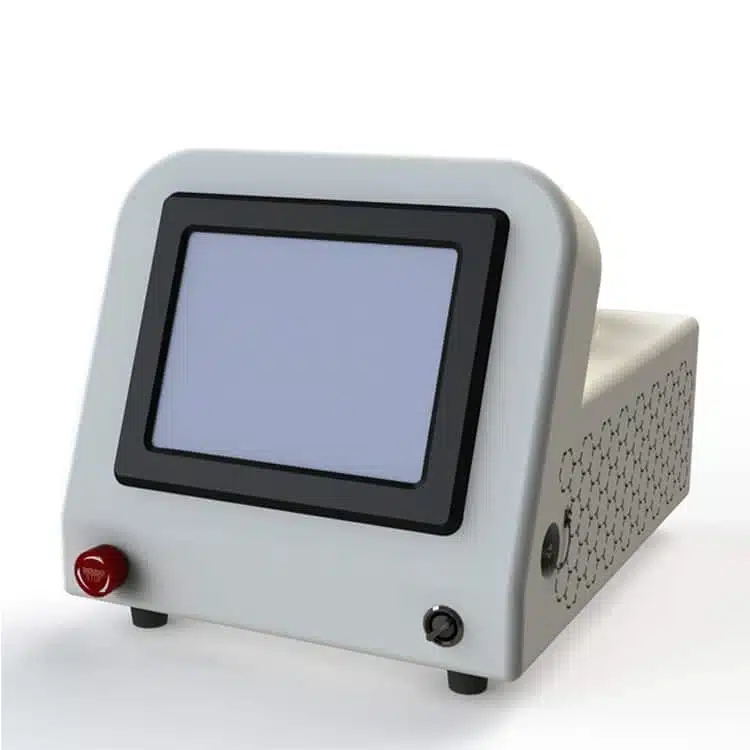
Arfurla 980nm 1470nm Veterinary Medicine Laser Therapy: Revolutionizing Animal Care with Precision Veterinary Laser Technology
Arfurla’s 980nm 1470nm Multifunction Medical 12-in-1 Diode Laser Machine combines veterinary applications with other clinical functions. The system supports both therapeutic photobiomodulation for pain and inflammation control and surgical modes for soft tissue interventions. Its compact, high-performance design lets veterinary practices complete a wide range of procedures with one investment.
Adjustable settings and durable fiber delivery systems improve ease of use. The dual-wavelength approach optimizes absorption. This supports efficient cutting, coagulation, and deep tissue penetration. This platform reduces the need for several devices. It simplifies inventory and training for clinic staff.
Clinical Veterinary Laser Advantages
Veterinary teams gain from the system’s ease of use, safety profile, and economic value. Power controls ensure safe operation in sensitive zones. Instant vessel sealing shortens operative time. Species-specific adjustments keep efficacy across patient sizes. Durable components and reduced complication rates support long-term cost savings. Overall, the technology improves animal comfort. It does this by limiting trauma and analgesic requirements.
Arfurla Laser Veterinary Therapy Pain Management
In pain management protocols, the physiotherapy mode raises local circulation. It also adjusts nerve signaling. This provides relief for conditions such as osteoarthritis or post-traumatic discomfort. Sessions stay non-invasive. Animals often remain calm without sedation in many cases.
FAQ
Is laser therapy safe for pets?
Laser therapy using Class-appropriate diode systems is non-invasive. It carries minimal risk when applied according to established protocols. It avoids the side effects linked with many medications. It supports natural healing processes.
How quickly will results be seen?
Acute conditions may show improvement within the first few sessions. Chronic issues often demonstrate cumulative benefits over several treatments. Reduced pain and increased mobility commonly appear within days to weeks. This depends on the protocol.
Partner with Arfurla as Your Reliable Veterinary Laser Manufacturer and Supplier
Arfurla serves as an established provider of cutting-edge medical diode laser systems. This includes the state-of-the-art 980nm 1470nm Multifunction 12-in-1 laser system with built-in capabilities for use on animals. The firm ensures internal research & development, quality control, and OEM/ODM services that cater specifically to distribution partners across the globe.
Vets equipment distributors and manufacturers of medical devices are encouraged to investigate their chances for cooperation in supplying innovative and highly profitable products.
For more information about specifications, demo units, wholesale and distributorships, reach out to our specialists today by calling +86-1830-1023-578 or sending an email to info@arfurla.com. Be ahead of the curve in veterinary laser technology with Arfurla – one of the leading Chinese suppliers and manufacturers of such devices.