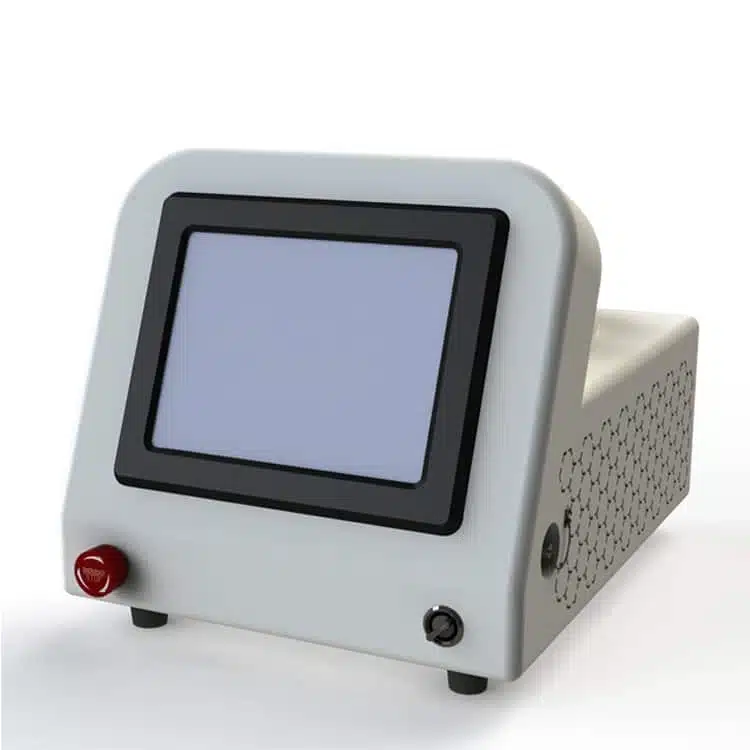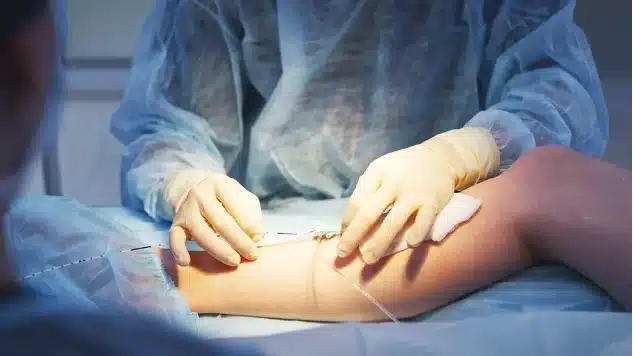
When evaluating a medical diode laser platform, wavelength is one of the most important specifications for distributors, medical equipment procurement teams, importers, and clinic groups.
The 980nm and 1470nm wavelengths are both used in vascular procedures, lipolysis and minimally invasive soft-tissue applications, but their interaction with tissue is different. The difference influences penetration, thermal distribution, coagulation and cutting performance.
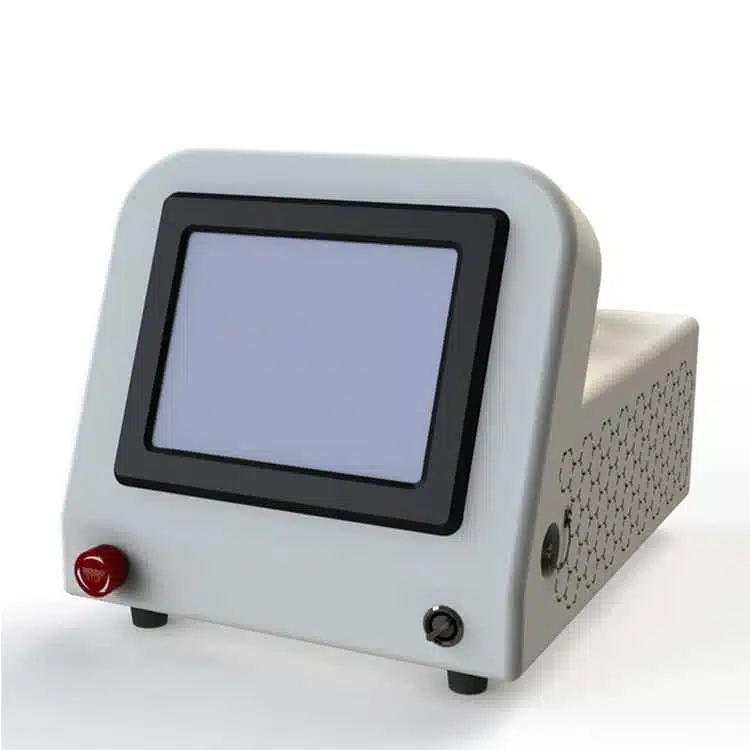
For B2B buyers, the purchasing question is therefore not simply whether 980nm or 1470nm is “better.” The more relevant question is which wavelength configuration provides the strongest combination of clinical coverage, product versatility and commercial potential.
The Core Science: Why Wavelength Matters
Laser energy interacts with tissue according to the absorption characteristics of different chromophores, including:
- Woda
- Hemoglobina
- Melanin
- Other tissue components depending on the application
The key difference between 980nm and 1470nm is their relationship with water and hemoglobin.
1470nm has substantially stronger water absorption, producing more localized energy deposition in water-rich tissue. By comparison, 980nm has lower water absorption and clinically useful interaction with hemoglobin, supporting penetration and coagulative effects. Published soft-tissue and endovenous laser research confirms these wavelength-dependent differences.
In simplified terms:
- 1470nm: water-dominant, localized and precision-oriented
- 980nm: deeper-acting and coagulation-oriented
- 980nm + 1470nm: combines complementary tissue interactions
What Is a 980nm Laser?
A 980nm diode laser is widely applied in medical laser systems because of its combination of tissue penetration and coagulation.
Main Characteristics of 980nm Laser
- Relatively deeper tissue penetration compared with 1470nm
- Useful interaction with hemoglobin
- Strong coagulation capability
- Broad thermal effect
- Compatibility with multiple medical specialties
Clinical Strengths of 980nm
Depending on system design, accessories and protocols, 980nm can support vascular applications, soft-tissue procedures, physiotherapy and other medical laser treatments.
Arfurla’s multifunction diode laser platform includes 980nm as part of a system designed for applications including spider vein treatment, EVLT, physiotherapy, surgery, ENT, dentistry, proctology and veterinary applications.
What Is a 1470nm Laser?
The 1470nm diode laser has substantially higher absorption in water. This characteristic creates a more concentrated tissue interaction and is particularly relevant when precise thermal control is required.
Main Characteristics of 1470nm Laser
- High water absorption
- Localized energy deposition
- Controlled thermal interaction
- Efficient soft-tissue cutting
- Strong compatibility with minimally invasive fiber procedures
Clinical Strengths of 1470nm
1470nm is frequently associated with endovenous procedures, minimally invasive soft-tissue surgery and applications where controlled energy deposition is valuable.
Studies of endovenous laser therapy have also reported favorable results with 1470nm systems, particularly when radial fibers are used.
980nm vs 1470nm: The Key Differences
Penetration Depth
980nm generally produces deeper tissue penetration, while 1470nm energy is absorbed more strongly by water and therefore tends to remain more localized.
Cutting Efficiency
1470nm can provide efficient cutting and vaporization in water-rich soft tissue. This makes the wavelength attractive for controlled surgical applications.
Coagulation and Hemostasis
980nm is valuable when coagulation and bleeding control are important procedural objectives.
Rozprzestrzenianie się ciepła
- 1470nm: more concentrated thermal action
- 980nm: broader and deeper thermal distribution
Tissue Selectivity
The practical distinction can be summarized as:
- 1470nm emphasizes water absorption and precision.
- 980nm emphasizes penetration and coagulative capability.
Which One Is Better for Vascular Treatments?
Vascular applications highlight the importance of considering wavelength together with fiber design and treatment parameters.
For Superficial Vascular Applications
A localized thermal effect may be desirable for smaller and more superficial targets. 1470nm can therefore be attractive when controlled energy deposition is a priority.
For Deeper Veins and Endovenous Applications
Both wavelengths have been used in endovenous laser treatment. Clinical studies comparing 980nm and 1470nm systems show that outcomes are influenced not only by wavelength but also by fiber type and energy delivery technique. Radial 1470nm systems, for example, have demonstrated advantages in some postoperative outcomes compared with older 980nm bare-fiber approaches.
Practical Takeaway for Vascular Work
- 1470nm supports localized thermal control.
- 980nm remains relevant where deeper coagulative action is required.
- Fiber type, power, energy density and technique remain essential purchasing considerations.
Which One Is Better for Laser Lipolysis?
Laser-assisted lipolysis requires controlled energy delivery within subcutaneous tissue.
Why 980nm Is Often Considered
980nm has been used clinically in laser-assisted lipolysis and can provide deeper thermal distribution together with coagulative effects. Published clinical research has documented 980nm diode laser use in laser-assisted lipolysis procedures.
Where 1470nm Can Be Useful
1470nm produces stronger water-mediated absorption and a concentrated thermal effect, creating another option for controlled fiber-based tissue treatment.
Practical Takeaway for Lipolysis
For distributors serving aesthetic clinics, plastic surgery centers and multidisciplinary medical practices, a dual-wavelength platform can provide greater application flexibility than a single-wavelength machine.
Arfurla’s multifunction system combines 650nm, 980nm and 1470nm wavelengths and includes facial endolaser/bodylift and lipolysis among its listed applications.
Which One Is Better for Minimally Invasive Surgery?
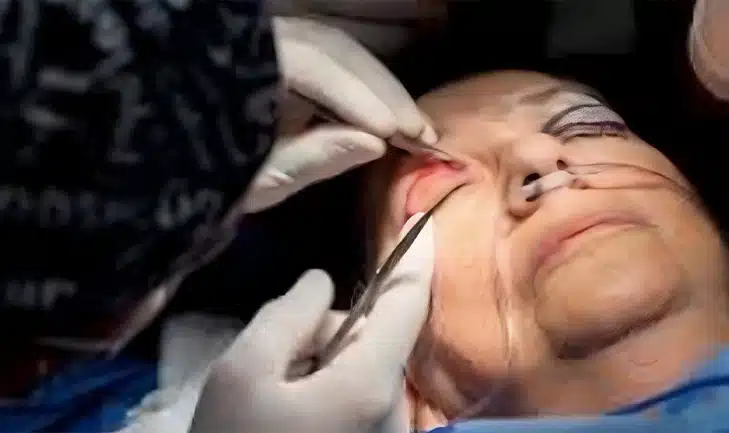
Minimally invasive laser surgery commonly requires two important capabilities:
- Precise tissue interaction
- Effective bleeding control
Where 1470nm Stands Out
1470nm can be advantageous for precise cutting because of its strong absorption in water-rich soft tissue.
Where 980nm Stands Out
980nm contributes coagulative performance and deeper thermal interaction.
Common Minimally Invasive Fields
A multifunction 980nm/1470nm platform may serve applications such as:
- EVLT
- Proktologia
- laryngologia
- Ginekologia
- Stomatologia
- PLDD
- Soft-tissue surgery
- Chirurgia weterynaryjna
Arfurla publicly positions its multifunction diode laser across these application categories.
Practical Takeaway for Surgery
For B2B purchasing, dual wavelength can reduce dependence on several single-purpose platforms while expanding the number of departments that a distributor can address.
Should 980nm, 1470nm, or a Dual-Wavelength System Be Selected?
Choose 980nm if:
- Deeper thermal penetration is a priority
- Coagulation is particularly important
- The target market requires vascular or broader thermal applications
Choose 1470nm if:
- Precise soft-tissue interaction is a priority
- Water-mediated absorption is desirable
- Localized energy delivery is important
Choose a Dual-Wavelength System if:
- Multiple clinical departments are targeted
- A broader distributor portfolio is required
- Cutting and coagulation capabilities are both important
- One platform needs to support multiple accessories and applications
- Product differentiation is important in regional distribution markets
For wholesalers and procurement teams, multifunctionality can also simplify inventory planning, training and accessory management.
Laser Power Configuration Options
Laser power should not be evaluated independently from wavelength.
A professional procurement specification should consider:
- Available wavelength combinations
- Stable output performance
- Continuous and pulse operating modes
- Compatible optical fibers
- Handpiece and accessory selection
- Cooling design
- Clinical software and parameter control
- Serviceability and spare-parts supply
Final configurations should be matched to intended clinical applications and applicable local regulatory requirements.
The Often-Ignored Factor: Cooling, Fiber Design, and Parameters
Wavelength alone does not determine performance.
Fiber Design Matters
Bare, conical and radial fibers distribute laser energy differently. Radial fibers, for example, are widely associated with circumferential energy delivery in endovenous applications.
Thermal Control Matters
Stable energy delivery and appropriate thermal management are important for consistent system operation.
Parameters Matter
Power, pulse mode, exposure time, fiber movement and application protocol all affect tissue response.
For procurement purposes, the more complete formula is:
wavelength + fiber + parameters + system engineering + clinical technique = practical performance
Final Conclusion
There is no universal winner in the 980nm vs 1470nm comparison.
- 980 nm is valuable for penetration and coagulative applications.
- 1470 nm is valuable for water-mediated precision and localized tissue interaction.
- 980nm + 1470nm provides greater versatility for multi-application medical laser platforms.
For distributors, importers and purchasing departments, dual-wavelength systems can be particularly attractive when product portfolios need to cover aesthetics, vascular treatment and multiple surgical specialties from one equipment platform.
Często zadawane pytania
What is the main difference between 980nm and 1470nm lasers?
1470nm has significantly stronger water absorption, while 980nm provides comparatively deeper penetration and useful coagulative interaction.
Is 980nm or 1470nm better for EVLT?
Both wavelengths are used in endovenous laser applications. Wavelength, fiber design, energy settings and technique all influence performance. Modern 1470nm radial-fiber systems have shown favorable clinical outcomes in published studies.
Why do distributors choose dual-wavelength diode laser machines?
Dual-wavelength equipment expands the potential application range and creates a more versatile product for clinics operating across vascular, aesthetic and surgical departments.
What applications are available on the Arfurla multifunction diode laser?
Arfurla lists facial endolaser/bodylift and lipolysis, physiotherapy, spider veins, onychomycosis, EVLT, proctology, ENT, gynecology, dentistry, PLDD, surgery and veterinary applications for its multifunction medical diode laser platform.
Does Arfurla provide OEM and ODM services for distributors?
Yes. Hangzhou Arfurla Science & Technology Co., Ltd. states that it operates its own R&D department and factory and provides OEM/ODM services for distributors worldwide. Its official site also describes production, after-sales and technical support capabilities.
Partner with Arfurla — 980nm 1470nm Diode Laser Manufacturer, Supplier & Factory for Distributors
Hangzhou Arfurla Science & Technology Co., Ltd. is a medical and aesthetic laser manufacturer and supplier serving distributors, importers, and procurement partners worldwide.
Ten Z Arfurem 980nm 1470nm Multifunction Medical 12-in-1 Diode Laser Machine combines 650nm, 980nm, and 1470nm wavelengths in one versatile platform, with OEM/ODM support, technical service, and after-sales assistance available for B2B partners.
For wholesale pricing, distributor cooperation, OEM/ODM customization, or bulk orders, skontaktuj się z Arfurlą to discuss suitable 980nm 1470nm diode laser solutions.