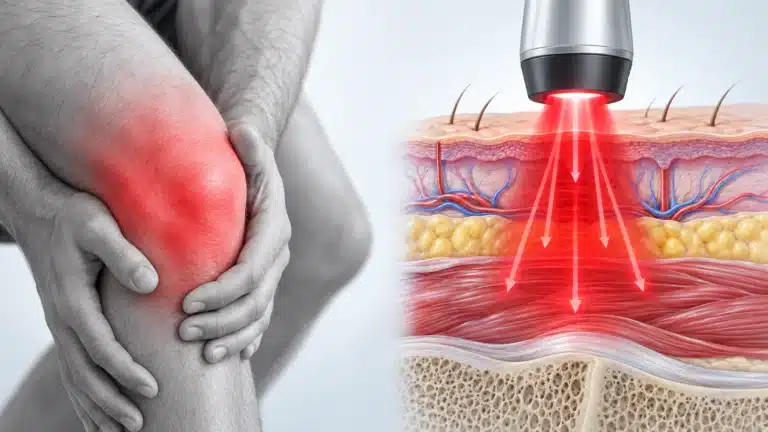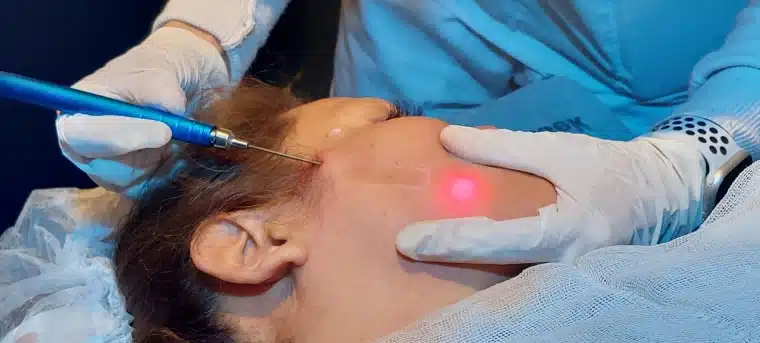
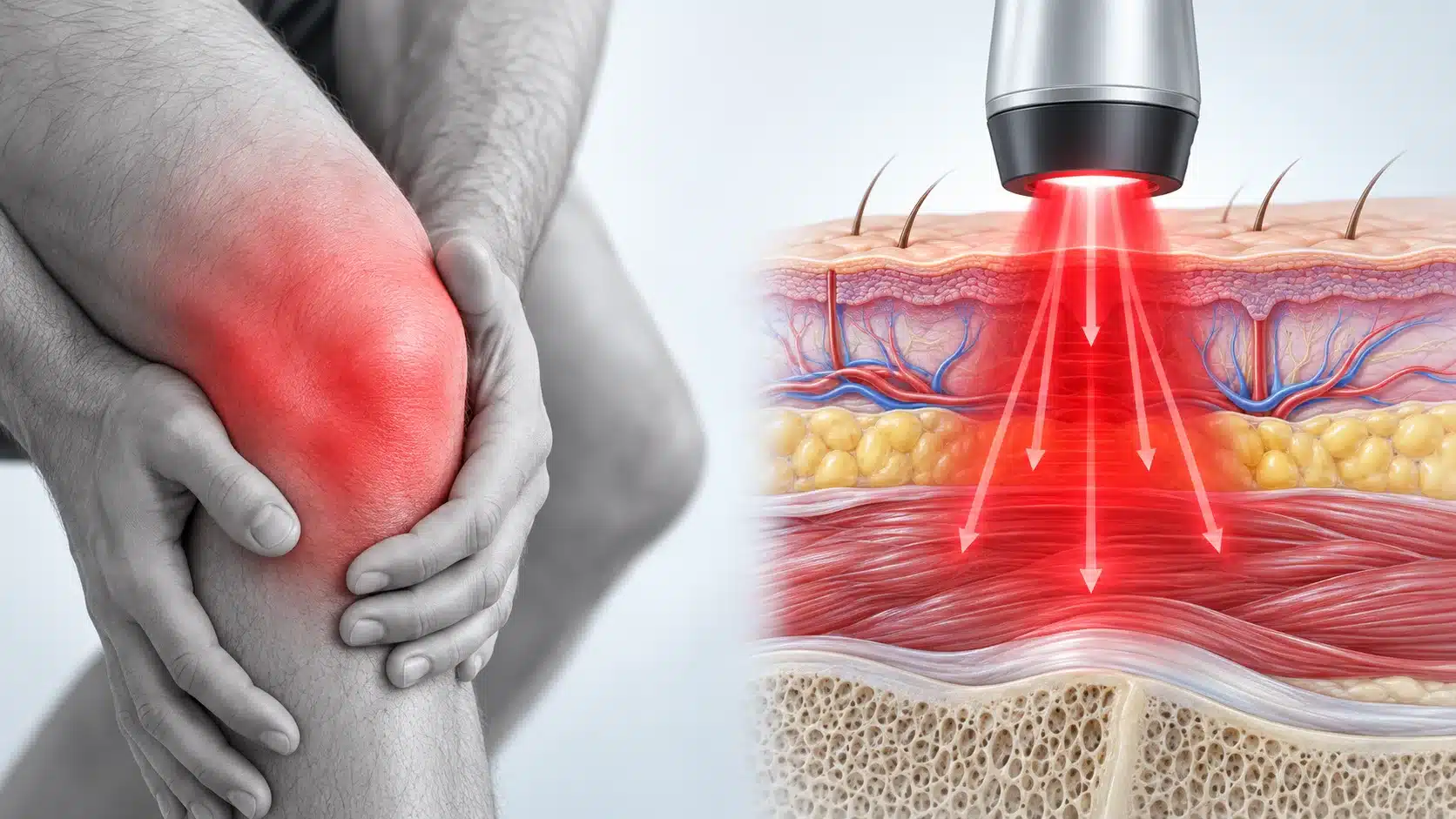
As far as clinics looking to purchase Class IV laser treatment for osteoarthritis of the knee joints, the first consideration is not necessarily about having the highest wattage possible. An effective system will provide practitioners with good control over the wavelength, power, dosage, application area, safety, and efficiency. At the same time, the chosen system will integrate well into the rehabilitation process as a whole.
Class IV laser therapy is generally evaluated as a noninvasive adjunct for pain management and tissue recovery. For a physiotherapy clinic, the right machine should make treatment repeatable, measurable, and adaptable to patients with different levels of knee pain, swelling, sensitivity, and mobility.
1. Start with the clinical task, not the advertised power
Knee osteoarthritis is not a single presentation. One patient may primarily report joint-line pain and stiffness, while another may have periarticular muscle tension, swelling after activity, reduced range of motion, or pain during weight-bearing. These cases may require different treatment strategies.
Before comparing machines, define the clinic’s intended use:
- Symptom management before exercise
- Pain reduction after rehabilitation sessions
- Support during mobility and strengthening programs
- Management of soft-tissue discomfort around the knee
- Postoperative or injury-recovery support, where clinically appropriate
- Treatment for sports and active-aging patients
The machine should support professional assessment rather than replace it. A laser system cannot determine whether pain is caused by osteoarthritis, meniscal injury, ligament problems, infection, fracture, or another condition requiring medical evaluation.
Clinics should also avoid purchasing a system based on a single “deep penetration” claim. Penetration depends on wavelength, power, tissue characteristics, treatment geometry, and the way the applicator is used. The useful question is whether the device provides enough control to match the treatment plan.
2. Wavelength flexibility matters for superficial and deeper tissues
Wavelength is one of the main features to compare in a Class IV laser therapy machine. Different wavelengths interact with tissue differently, and a knee treatment may involve skin, subcutaneous tissue, fascia, muscle, tendons, ligaments, and joint-adjacent structures.
A multi-wavelength system can give therapists more flexibility than a single-wavelength device. For example, a clinic may evaluate:
- A lower-power red-light channel for superficial applications
- Near-infrared wavelengths for deeper soft-tissue targets
- Different wavelength combinations for pain-management and rehabilitation protocols
- Separate settings for acute sensitivity and longer-term treatment plans
Arfurla’s listed four-wavelength configuration combines 650 nm, 810 nm, 980 nm, and 1064 nm outputs. Its product information describes the wavelengths as serving different superficial-to-deep treatment roles. Clinics evaluating this type of system should confirm the exact output available for each wavelength, whether wavelengths can be used independently, and whether the controls allow clinicians to build repeatable protocols.
The key procurement issue is not the number of wavelengths alone. Ask whether each channel has clearly documented power limits, operating modes, recommended treatment parameters, and compatible handpieces.
3. Power control is more useful than a high maximum wattage
High output can be valuable when a therapist needs to deliver energy efficiently to a larger or deeper treatment area. However, maximum power is only one part of treatment control.
A suitable machine should allow the operator to adjust power to the patient’s presentation and treatment objective. Important questions include:
- What is the adjustable power range?
- Can the operator change power during treatment?
- Are continuous-wave and pulsed modes available?
- Does the display show power, energy, time, and treatment mode clearly?
- Can the system calculate or record energy delivered?
- Are lower settings available for sensitive patients or superficial work?
Arfurla’s physiotherapy materials emphasize that wavelength influences penetration while power influences the amount of energy delivered over time. This is a useful purchasing principle: wavelength and power should be assessed together.
A machine with broad adjustment capability may be more useful in a mixed physiotherapy practice than a device designed around one fixed high-power setting. The clinic should also verify whether the quoted power applies to total system output or to a specific channel.
4. Dose and energy tracking support consistent treatment
For clinical workflow, energy management is often more important than promotional output figures. Therapists need to know how much energy has been delivered, for how long, and over what area.
Useful dose-related features may include:
- Joule and watt display
- Treatment-time countdown
- Adjustable spot size
- Area-based energy guidance
- Preset protocols that can be edited or confirmed
- Treatment history or patient-record compatibility
- Clear warnings when settings are changed
These features can help different therapists follow a consistent treatment plan. They also make it easier to review whether a patient’s response is associated with a specific protocol.
Clinics should be cautious with preset programs. A preset may provide a starting point, but it should not replace clinical judgment. Protocols must be adapted to the patient’s diagnosis, skin response, pain behavior, treatment area, and overall rehabilitation plan.
5. Applicators and handpieces should fit knee treatment
A knee osteoarthritis protocol may require treatment across a relatively broad area rather than a single small point. The clinic should therefore inspect the available handpieces, contact surfaces, spacers, and scanning options.
Before purchasing, ask:
- Is a broad-area applicator included?
- Is a contact handpiece available for controlled local treatment?
- Can the therapist treat around the joint line, patellar region, quadriceps, hamstrings, and calf safely?
- Are replacement handpieces and protective accessories available?
- Is the applicator comfortable to hold during repeated sessions?
- Can the device be positioned easily around a treatment table?
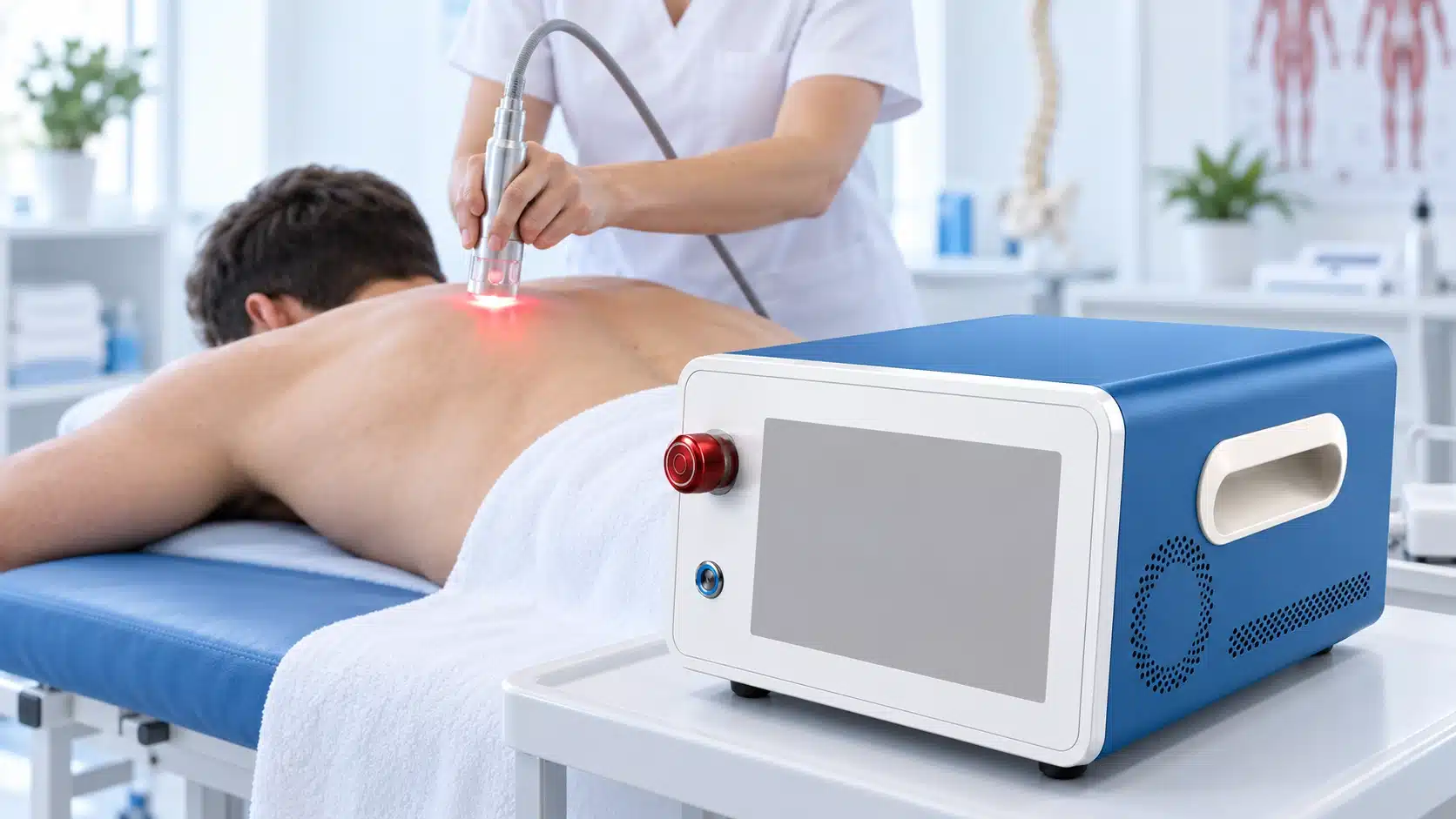
The physical design also affects productivity. A machine that is difficult to move, slow to set up, or awkward to use may reduce adoption even if its technical specifications are attractive. Check the display position, cable management, treatment-arm flexibility, footprint, and storage requirements.
6. Safety functions are essential for Class IV systems
Class IV laser equipment requires disciplined safety procedures. Eye protection, controlled treatment areas, staff training, warning labels, and documented operating procedures should be part of the purchase decision.
A clinic should verify the availability of:
- Appropriate protective eyewear for operators and patients
- Key switches or access control
- Emergency-stop functionality
- Audible or visual emission indicators
- Treatment-area warning labels
- Interlock or room-control options, where required
- User manuals and safety training
- Clear contraindication and precaution guidance
The manufacturer’s product page lists precautions involving the eyes, malignant tumors, pregnancy-related areas, photosensitivity, active bleeding, the thyroid region, and certain neurological or pediatric situations. These points should be reviewed against the current instructions for use and local clinical regulations before treatment begins.
Marketing language such as “drug-free” or “no downtime” should not be treated as a substitute for risk assessment. Each patient still requires appropriate screening, informed consent, and clinical monitoring.
7. Evaluate how the laser fits into rehabilitation
Laser therapy should be considered as one component of a treatment pathway. For knee osteoarthritis, a clinic may use symptom-relief strategies to help patients participate in strengthening, gait training, flexibility work, and self-management.
A practical workflow may look like this:
- Assess pain, function, swelling, range of motion, and activity tolerance.
- Identify whether laser therapy is clinically appropriate.
- Select the treatment area, wavelength, power, and dose.
- Monitor comfort and skin response during treatment.
- Reassess movement or pain-related function.
- Progress the rehabilitation plan when symptoms allow.
This approach helps the clinic evaluate meaningful outcomes instead of relying only on a temporary change in pain intensity. A laser system should support documentation of treatment settings and patient response where possible.
Arfurla describes its physiotherapy laser platform for pain management, tissue repair, circulation-related support, and rehabilitation applications. Clinics can review the Arfurla physiotherapy laser treatment platform to understand the intended application scope, then compare the exact model configuration with their own protocols.
8. Confirm the exact configuration before requesting a quotation
Product pages may describe more than one configuration across different applications. For example, Arfurla’s listed four-wavelength Class IV physiotherapy laser specifies 650 nm, 810 nm, 980 nm, and 1064 nm outputs, while its physiotherapy application content also discusses a 30-watt 810/980 nm configuration.
This does not necessarily indicate a problem, but it makes model verification important. A clinic should ask the supplier to confirm:
- Exact model name and wavelength combination
- Output per wavelength
- Continuous and pulsed modes
- Included handpieces and eyewear
- Electrical requirements
- Training and operating documentation
- Warranty and spare-parts support
- Applicable regulatory documents for the target market
The quotation should identify the complete delivered configuration rather than only stating “Class IV laser.”
Wniosek
The right Class IV laser therapy machine for knee osteoarthritis should provide controlled energy delivery, useful wavelength flexibility, suitable handpieces, strong safety features, and a workflow that therapists can repeat consistently. High power may be helpful, but it should be evaluated alongside dose control, ergonomics, documentation, and clinical fit.
For clinics reviewing Arfurla equipment, the next step is to match the exact model configuration with the intended knee-rehabilitation protocols and local compliance requirements. The Arfurla website provides the company’s broader product and service context.
Często zadawane pytania
Is Class IV laser therapy suitable for every patient with knee osteoarthritis?
No. Suitability depends on the patient’s diagnosis, medical history, skin and neurological status, medications, treatment area, and clinical assessment. It should be used only when appropriate precautions have been reviewed.
Is a four-wavelength laser automatically better than a single-wavelength system?
Not automatically. Multiple wavelengths may provide more flexibility, but the value depends on controllability, documentation, applicators, safety functions, and the clinic’s actual treatment needs.
Does higher wattage guarantee better knee pain results?
No. Treatment response depends on patient factors, dosage, technique, diagnosis, and the wider rehabilitation program. Maximum wattage should not be the sole purchasing criterion.
What should physiotherapy clinics request before buying?
Request the exact model specification, output by wavelength, treatment modes, included accessories, safety documentation, training details, warranty terms, and regulatory information for the intended market.
Can laser therapy replace exercise therapy?
Generally, it should be evaluated as an adjunct rather than a replacement for assessment, exercise, education, and functional rehabilitation.
If your clinic is evaluating a Class IV laser system, skontaktuj się z Arfurlą with your target applications, expected patient volume, preferred wavelengths, treatment-room setup, and required accessories so the configuration can be checked against your workflow.