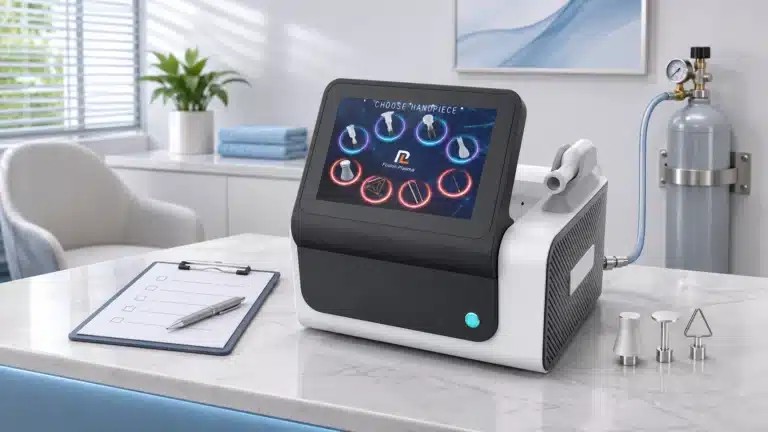
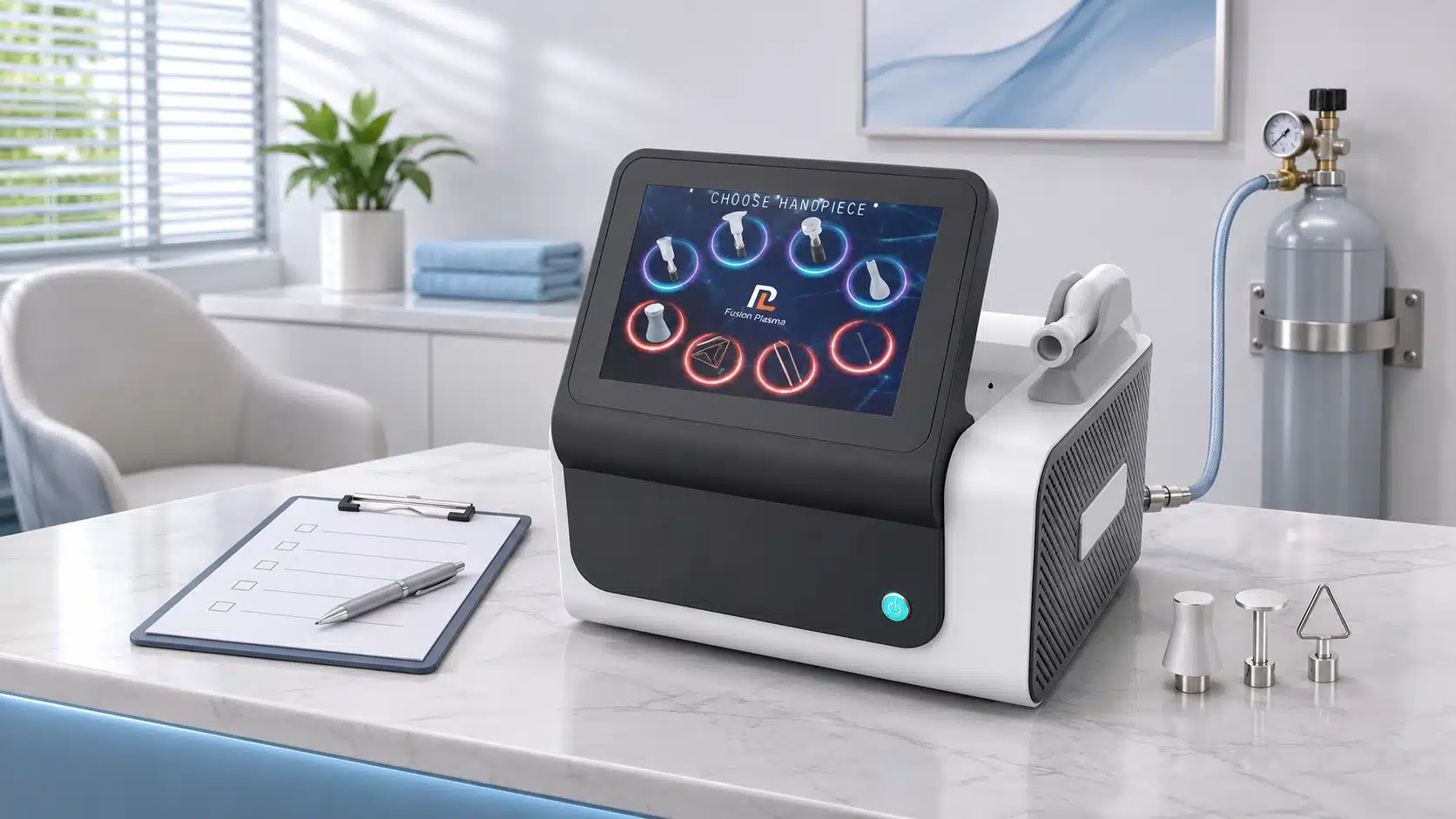
A cold plasma machine should be evaluated as a complete clinic system, not as a console with an attractive application list. Before ordering, confirm the plasma modes, process gas, treatment heads, accessories, cleaning instructions, room workflow, documents, training, service, and recurring costs. The Arfurla Fusion Plasma product page provides a practical example: the platform combines cold and warm plasma, identifies argon or helium as process gases, and presents eight treatment heads. Those features are useful only when the quotation defines the exact configuration the clinic will receive.
Define the Treatment Menu Before Comparing Machines
Begin with the services the clinic intends to offer. Separate face, scalp, body, surface care, and other proposed workflows, then identify which device mode and treatment head supports each service. This prevents a buyer from paying for an impressive number of functions that the team will not use. It also exposes missing items early. If a planned service depends on a particular head, gas, accessory, or protocol, that requirement belongs in the request for quotation.
The treatment menu should reflect staff qualifications and local rules. The buyer must confirm whether the device, intended use, operator, and marketing claims are permitted in the destination market. Base the purchase on the documented configuration and the clinic’s authorized scope, not on unsupported before-and-after promises.
Confirm Cold and Warm Plasma Modes
Cold plasma machines are not all configured in the same way. Some platforms focus on one low-temperature mode, while others combine cold and warm modes. Arfurla describes its Fusion Plasma system as a dual-mode platform. Its product information lists cold plasma at 30 to 70 degrees Celsius and warm plasma at 120 to 400 degrees Celsius. Buyers should confirm how the operator selects each mode, which handpiece or head is used, which settings are adjustable, and what controls prevent the wrong configuration from being applied.
For technical background, review what a Fusion Plasma device is I how cold plasma treatment works. Procurement is operational: the supplier should demonstrate every quoted mode on the exact model and provide instructions that match the delivered software and accessories. A broad phrase such as hot and cold plasma machine is not enough to compare offers.
Check the Included Treatment Heads
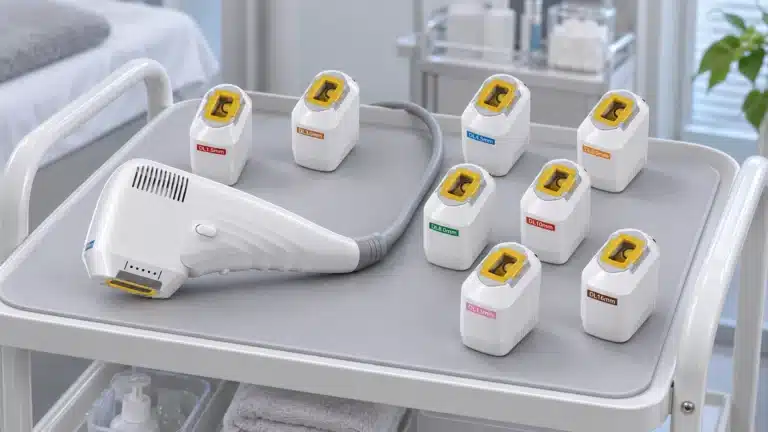
The product page presents eight treatment heads and names examples such as Plasma Tip, Jet Plasma Beam, Plasma Needle Roller, Flake Plasma, Hottip, and Ceramic Plasma. A buyer should not assume that every head shown online is included in every package. Ask the supplier to list the name, quantity, part number, material, compatible mode, and intended use of each head in the quotation. Mark optional items separately so the purchase order cannot be interpreted in two ways.
For each head, verify whether it is reusable, single-use, or contains a replaceable component. Request the approved cleaning, disinfection, inspection, and replacement method. If a head requires a consumable, include an initial supply and a reorder plan. These details affect turnaround time, hygiene, and cost per session.
Verify Gas Supply and Installation Requirements
The Fusion Plasma product information identifies argon or helium as process gases. That makes gas supply part of the equipment purchase, even if the cylinder is sourced locally. Before ordering, request the approved gas type and purity, cylinder and regulator requirements, connector specification, working pressure, expected consumption, leak-check procedure, and shutdown sequence. The supplier should also state which modes require gas and what the device does when pressure is outside the approved range.
Map these requirements to the treatment room. Confirm cylinder placement and restraint, safe hose routing, replacement responsibility, electrical input, plug, voltage, ventilation, footprint, and transport path. Follow the manufacturer instructions and local requirements. Do not copy gas pressure or purity values from another model.
Build the Cleaning and Turnover Workflow
A machine can fit the treatment menu and still fail in daily operation if the turnover process is unclear. Ask the supplier to demonstrate the complete sequence after a session: power state, gas isolation, head removal, surface cleaning, disinfection, drying, inspection, storage, and reassembly. The clinic should know which chemicals and contact times are permitted, which parts cannot be immersed, and which components must cool before handling.
Time the process during a remote or factory demonstration, including preparation, gas checks, consumable replacement, room cleaning, and records. This produces a realistic capacity estimate and shows whether the clinic needs duplicate heads, extra storage, or spare connectors.
Compare Total Ownership Cost
Cold plasma machine price is only the first line of the cost model. Add freight, import charges, local installation, gas cylinders, regulators, treatment heads, consumables, cleaning supplies, spare parts, staff training, preventive maintenance, and downtime. Ask how long quoted heads and accessories are expected to remain serviceable under the approved workflow and how quickly replacements can be dispatched. If the supplier cannot provide a firm number, record the assumption and test several usage scenarios.
Revenue estimates should use the clinic’s real service mix, capacity, utilization, and local pricing. A dual-mode platform may support a broader menu, but value comes from services the clinic can lawfully provide, staff can perform consistently, and customers will book.
Require Documents Training and Support
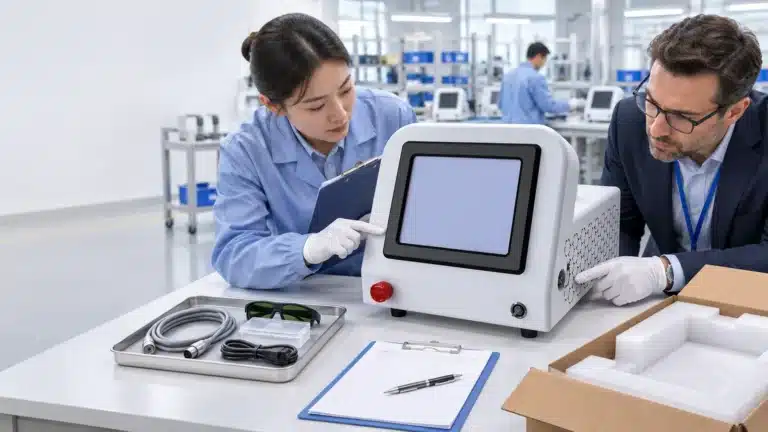
Before shipment, request the user manual, configuration list, labels, electrical information, maintenance instructions, cleaning guidance, training plan, warranty terms, service contacts, and any market documents offered for the exact model. Check that model names and manufacturer details agree across the records. If the supplier provides certificates or test reports, confirm that their scope covers the ordered device rather than a similar family.
Training should cover setup, gas handling, mode and head selection, cleaning, routine checks, fault messages, shutdown, and escalation. Arfurla’s service support page describes demonstrations, troubleshooting, training videos, and treatment parameters. Convert those services into order-specific deliverables with dates, languages, contacts, and response expectations.
Use a Written Request for Quotation
A structured request for quotation makes competing offers easier to compare and gives the final acceptance test a clear baseline. Include at least the following items:
- Exact model, destination market, voltage, plug, interface language, and software version
- Cold and warm plasma modes, gas requirements, controls, and included operating ranges
- Treatment-head names, quantities, included accessories, optional items, and consumables
- Cleaning, disinfection, inspection, storage, and replacement instructions
- Manuals, labels, training, warranty, service response, spare parts, and market documents
- Demonstration method, pre-shipment acceptance criteria, packing list, lead time, and total price
Ask the supplier to answer the same list instead of sending only a brochure. Write every exception beside the requirement so the quotation, purchase order, demonstration, and incoming inspection refer to one configuration.
Wniosek
The best cold plasma machine is the model whose modes, gas supply, treatment heads, room requirements, cleaning process, documents, and support match a defined service plan. Arfurla Fusion Plasma fits this buying process because it combines cold and warm modes and presents an eight-head ecosystem. Turn those features into a signed configuration and verify it before shipment.