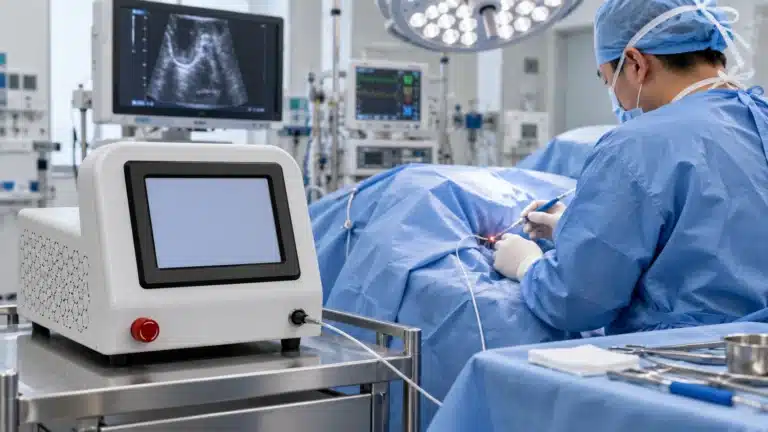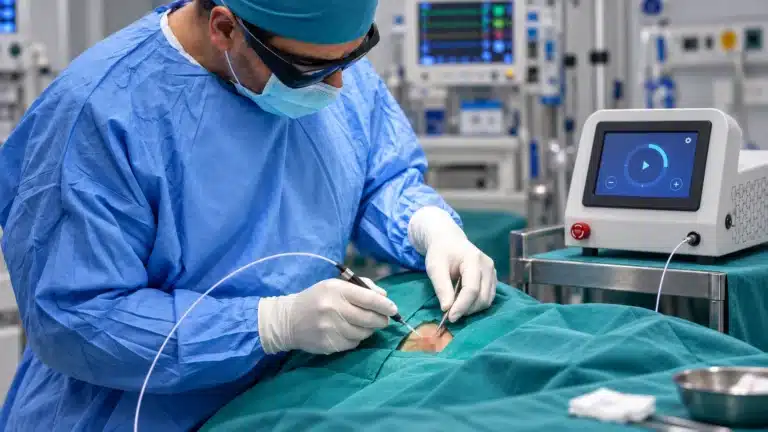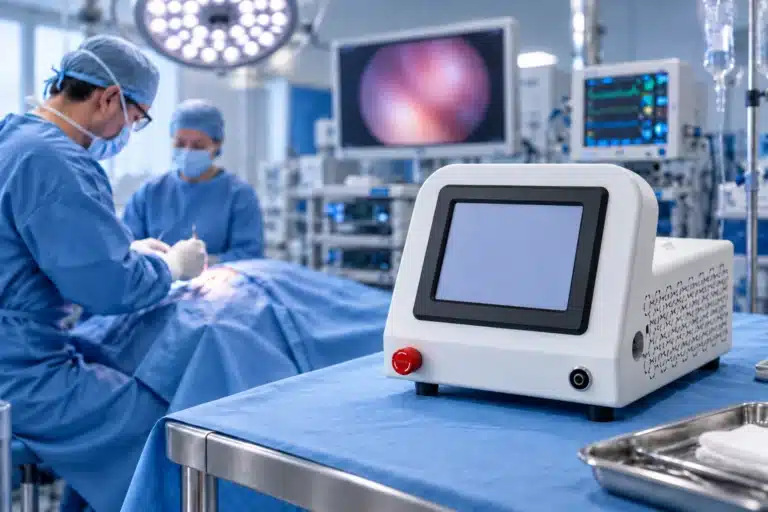
Class 4 laser therapy is becoming a practical piece of equipment for rehabilitation centers, podiatry clinics, sports medicine practices, aesthetic clinics and medical device distributors. Clinics are increasingly looking for non-invasive pain relief, faster recovery and device-based treatments that can be delivered in short space of time.
A suitable laser for B2B buyers is more than a single treatment. The Class IV laser platform can support a number of applications including pain relief, tissue repair, post-surgical rehabilitation, managing of scars as well as wound recovery and some aesthetic applications provided by trained professionals within the bounds of approved clinical protocols.
What Is the Class 4 Laser?
Class 4 laser therapy uses a high-power therapeutic laser to deliver controlled light energy into target tissue. In professional use, this energy is associated with photobiomodulation, a process in which light interacts with cells and supports normal biological repair activity.
Compared with lower-power laser devices, Class IV systems deliver therapeutic energy faster and can reach deeper treatment targets. This makes the category relevant for muscles, joints, tendons, ligaments, nerve-related pain, sports injuries, and chronic inflammatory conditions.
Common Treatment Areas
Class 4 laser therapy equipment is typically used in a clinical or professional environment for:
- Arthritis-related discomfort
- Tendonitis and ligament strain
- Low back pain and neck pain
- Sprains, strains, bruises, and contusions
- Peripheral neuropathy support
- Plantar fasciitis and foot pain
- Post-surgical inflammation
- Sports injury rehabilitation
- Scar and wound healing support
The actual treatment plan will depend on indication, practitioner assessment, device settings and local medical environment.
Why Class IV Power Matters
Another key consideration for therapeutic lasers is the power of the laser. The wavelength of a laser determines how a laser interacts with the tissue but the power of a laser determines how fast power is delivered from the laser. The higher the power from a therapeutic laser, the less time that is required to complete a treatment. Also, more powerful devices are better able to penetrate deeper into the tissue to treat targets that are found further within the dermal layer.
From the procurement teams perspective power is not everything to support a reliable Class 4 laser therapy machine. Also constant energy, adequate handpieces, variable protocols, a cool concept, safety by using appropriate safety eyewear, a good education of the operator as well as a clear guideline for treating are very important.
What Makes This Different?
The main difference between traditional treatment and laser treatment is the effect of photobiomodulation. As opposed to administering medication, injecting, or applying pressure by hand, laser treats by administering light to the cells of the affected area and thus influencing cellular processes.
The Photobiomodulation Effect
When therapeutic wavelengths are delivered to target tissues, they are absorbed by structures within the cells. Among these structures, cytochrome c oxidase is a major chromophore that absorbs light and thereby generates ATP for supporting metabolic processes and for repair of tissues.
Key biological responses may include:
- Stimulation of ATP production
- Support for collagen synthesis
- Increased local circulation
- Reduced inflammatory response
- Improved cellular metabolism
- Support for tissue regeneration
- Temporary reduction of pain signals
The effects that Class 4 lasers produce can account for why the therapy is typically found in pain management, in some forms of physical therapy or in clinical services for rehabilitation and recovery.
Treatment Experience
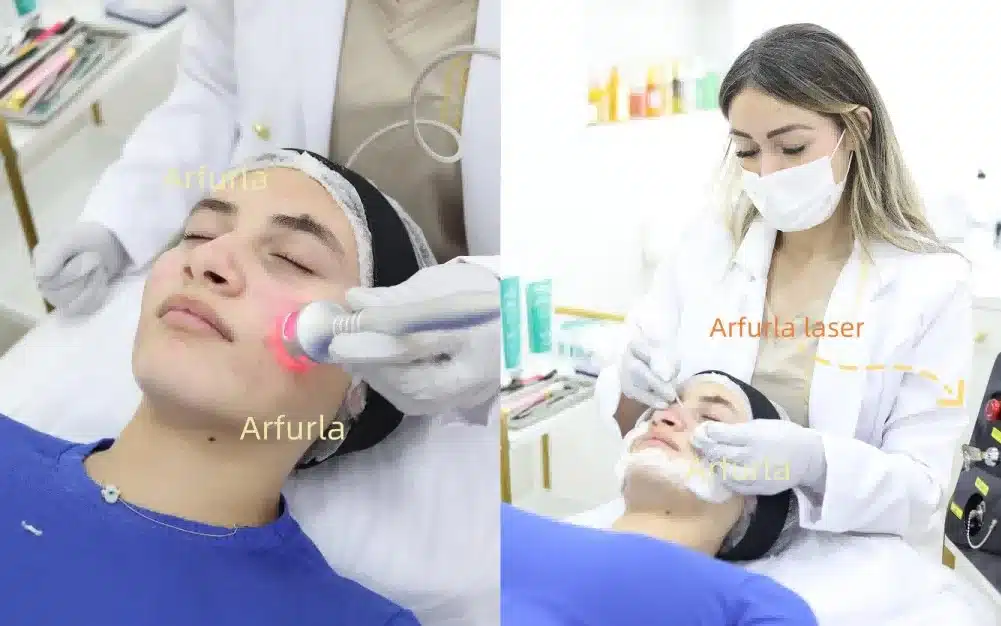
Most people find the sensation of treatment warm and soothing, often reporting that they can feel the heat but are not discomforted by it. As a non-invasive treatment, Low Level Laser Therapy does not require the use of drugs or surgery. The laser is typically applied directly to the skin or moved slowly across the treatment area according to a set protocol.
For all our treatments clinical training is key. As a Class IV laser is a high power medical device, very accurate parameters and precise movements have to be applied and eye protection has to be used. We also use the treatments in our spa treatments after we have assessed the client and have made a note of any contraindications.
Clinical Applications of Class 4 Laser Therapy
Class 4 laser systems can serve multiple clinical departments, which is why multifunction diode laser platforms have become popular among distributors and buyers of laser therapy systems for different types of clinics.
Pain Management Laser Therapy
One of the strongest areas of application for pain management are chronic complaints of pain. This could be for example arthritic pain or fibromyalgia pain. Also neuropathic pain, low back pain as well as sprains and muscle strains and tendon inflammation. Finally also postoperative pain and swelling.
Rehabilitation and Sports Medicine
Laser therapy can be a great tool to aid in tissue recovery while enabling athletes to progress in their mobility program. Rehabilitation facilities and sports medicine clinics can greatly benefit from incorporating Class 4 laser into their treatment of patients while participating in other forms of physiotherapy, stretching, strengthening and manual therapy.
There are many common use cases for physical therapy such as recovering from Tendonitis, from a Ligament Injury, from a Muscle Strain, after a Joint Replacement, to reduce Edema after an injury, and to create a program to increase Range-Of-Motion.
Dermatology, Aesthetics, and Wound Support
High-power therapeutic laser systems may also support selected dermatology and aesthetic applications, depending on wavelength, handpiece, indication, and regulatory approval.
Relevant areas may include scar remodeling support, skin rejuvenation protocols, collagen stimulation, diabetic ulcer care support, burn and non-healing wound management, and post-procedure recovery support. This broad profile allows one system to appeal to rehabilitation clinics, aesthetic clinics, dermatology practices, and multidisciplinary medical centers.
Biological Effects
Anti-Inflammation
Laser can help with vasodilation and also with the lymphatic drainage in the area that has been treated for swelling due to bruising, injury or inflammation.
Anti-Pain Effect
Pain can be decreased by Laser treatment, by decreasing nerve sensitivity, reducing edema and creating a better blood flow to the affected area.
Accelerated Tissue Repair and Cell Growth
The photons from laser can penetrate through the tissues. The increased energy availability from laser can support cellular repair activities. The cells will be able to process nutrients and waste more efficiently.
Improved Vascular Activity and Metabolic Activity
Laser therapy has the potential to promote new capillary formation, increased microcirculation, enzyme activity, oxygen delivery, and local metabolic processes.
Trigger Points and Acupuncture Points
Some protocols are using laser on trigger points and acupuncture points. It is a non invasive approach that can be useful for the musculoskeletal pain management. Some clinics are preferring a device based protocol.
Clinical Advantages of Laser Therapy
Advantages of Class 4 Laser Therapy for Clinics and Distributors.
Important advantages include:
- Non-invasive treatment workflow
- Drug-free pain management support
- Short treatment sessions
- Broad application range
- Warm patient experience
- Anti-inflammatory effect
- Swelling reduction support
- Tissue repair support
- Improved local circulation
- Compatibility with physiotherapy services
A multifunction platform can improve equipment utilization. When one diode laser machine supports physiotherapy, vascular work, soft tissue applications, podiatry-related uses, and aesthetic procedures, clinics may improve return on investment across several service categories.
Side Effects and Clinical Precautions
Class 4 laser therapy is generally positioned as non-invasive, but professional safety controls are mandatory. High-power lasers require trained operators, correct settings, and protective measures.
Patient Assessment
Clinicians should review medical history, treatment goals, skin condition, sensitivity, implanted devices, pregnancy status, cancer history, medications, and other risk factors before treatment.
Treatment Area Selection
The treatment area must match the clinical goal. Operators should avoid inappropriate use over infected tissue, open trauma, suspicious lesions, or areas where the laser is not indicated.
Dose Control
Dose control includes wavelength, output power, energy density, treatment time, handpiece movement, and treatment frequency. Excessive energy may irritate tissue, while insufficient energy may fail to produce the expected response.
Eye Protection and Operator Training
Class IV lasers can create eye and skin hazards if used incorrectly. Protective eyewear, warning labels, controlled treatment rooms, training documentation, and clear operating procedures are important for safe clinical use.
FAQ
Is Class 4 laser therapy the same as low-level laser therapy?
No. Class 4 lasers have more power which means they can deliver more therapeutic energy in less time. Low-level laser or light therapy has lower power and takes longer.
What should distributors consider when sourcing Class 4 laser therapy equipment?
Distributors should evaluate wavelength configuration, output power, treatment handles, clinical application range, certifications, training support, OEM/ODM options, warranty terms, spare parts availability, and manufacturer service capacity.
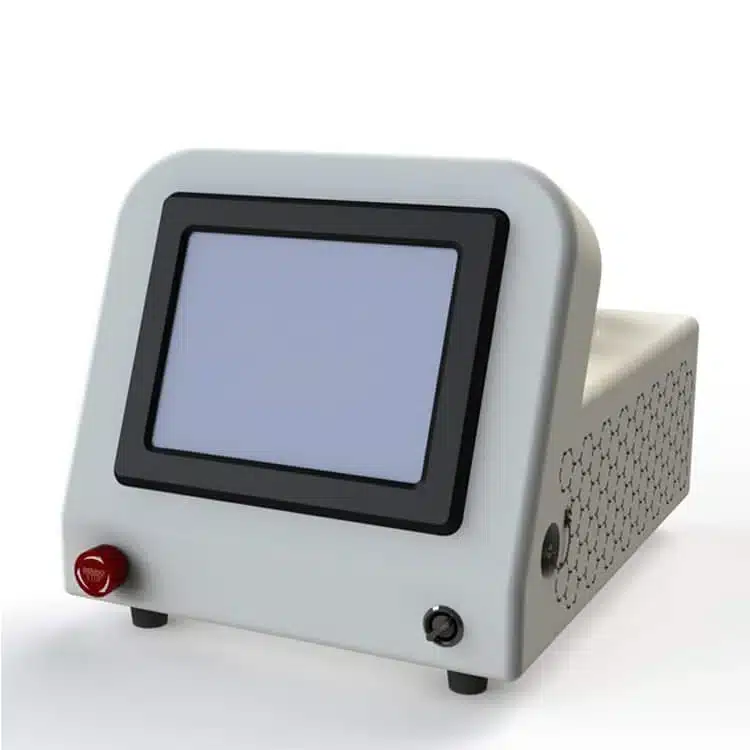
Arfurla is the medical and aesthetic laser equipment manufacturer, supplier and factory. It has own R&D department, factory, and can provide OEM/ODM service to distributors all over the world. For B2B buyers who are looking for Class 4 laser therapy equipment, 980nm 1470nm Multifunction Medical 12 in 1 Diode Laser Machine provided by Arfurla can be the best choice. The 12 functions of this machine can be operated by 3 different wavelengths: 650nm, 980nm and 1470nm. It is very suitable for pain relief treatment, rehabilitation, skin and cosmetic treatment, soft tissue treatment, etc. It is also a very good choice for clinics which need a variety of medical laser treatments. Distributors, procurement offices, as well as medical equipment resellers can contact Arfurla for more technical information, prices, for OEM/ODM projects and for configuring the products for local clinics market.