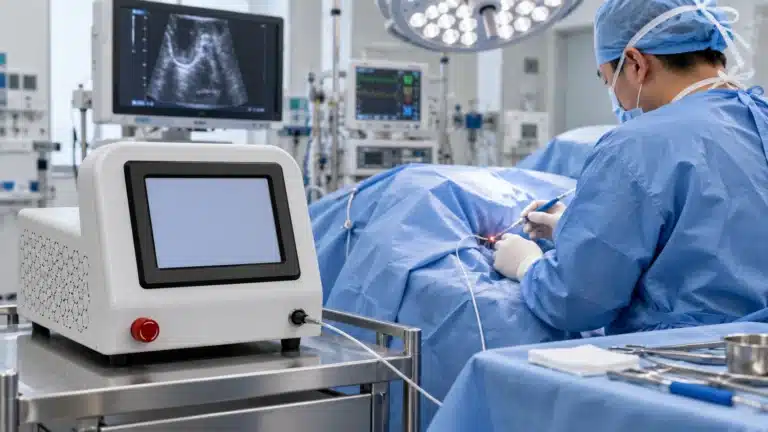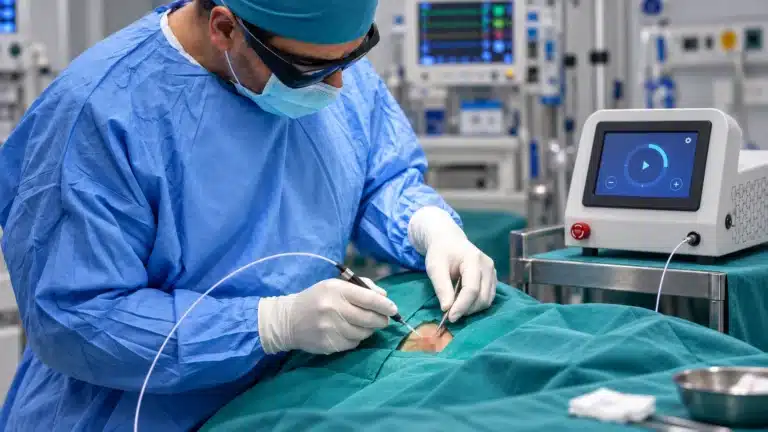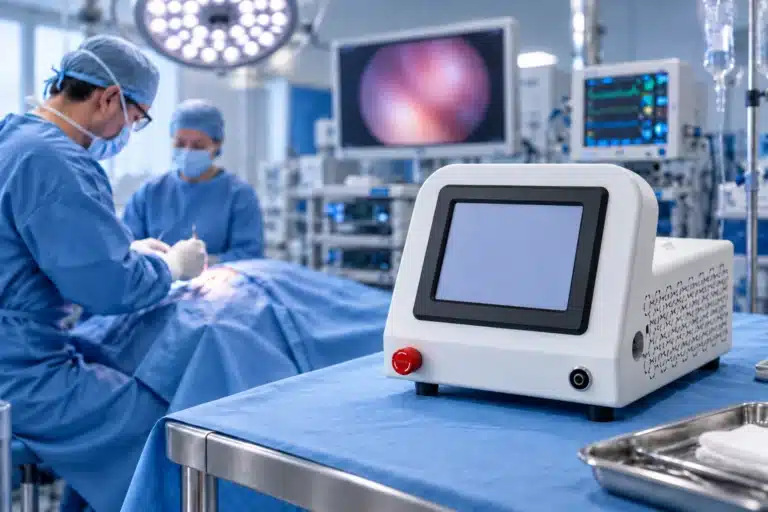
Veterinary rehabilitation has become a growing category of service offered by animal hospitals, specialized clinics, rehabilitation centers, and distribution companies. Among all the various modalities available, laser therapy has been singled out since it has the potential to offer help for pain management, tissue healing, and mobility program without much procedural stress. According to the American Animal Hospital Association, photobiomodulation laser therapy is one of the modalities used in veterinary rehabilitation.
To distributors of veterinary medical devices and buyers, the benefit is not limited to the single indication for use. The diode laser device can aid rehabilitation, post-surgical recovery, wound management, and certain soft tissue procedures, assisting veterinarians in reducing their equipment inventory.
Understanding Laser Therapy
What Is Laser Therapy?
Laser therapy in veterinary medicine utilizes light rays at regulated wavelengths to interact with biological tissues. Photobiomodulation (PBM) is the term that is used when referring to the interaction of light with biological tissues in the context of rehabilitation.
Treatment procedures aim at bringing about biological reactions related to cell function, circulation, inflammation control, and tissue regeneration. In surgery, the situation is different; more power and proper fiber or handpiece is required for cutting and coagulation purposes.
The Science Behind Laser Therapy
Photobiomodulation exerts its effects at cellular and tissue levels via light absorption. The current trends regarding the clinical application of photobiomodulation have been reviewed by various veterinarians. Such trends indicate that results depend upon proper dosage, wavelength, diagnosis, and procedure.
As far as buyers are concerned, a reliable veterinary laser system should offer constant output, variable settings, adequate accessories, operating instructions, and training assistance. Equipment capacity is not the determinant of clinical evaluation.
The Benefits of Laser Therapy in Pet Rehabilitation
Faster Healing and Recovery
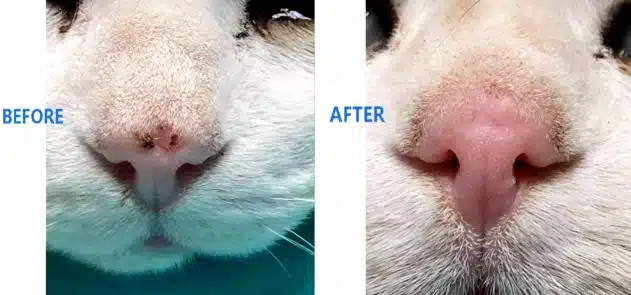
Laser therapy may support tissue repair by encouraging local biological activity and circulation. It is frequently incorporated into rehabilitation plans following orthopedic surgery, soft-tissue injury, or wound care. AAHA guidance identifies laser therapy as a modality used to stimulate cellular repair and support recovery.
Common applications include:
- Postoperative recovery
- Muscle, tendon, and ligament injuries
- Chronic wound management
- Swelling and localized inflammation
- Mobility programs after immobilization
Clinical results vary with the condition and protocol. Procurement evaluation should consider control accuracy, applicator design, preset flexibility, documentation, and technical education.
Reduced Pain and Discomfort
Pain management is key in veterinary rehabilitation. The use of photobiomodulation is widespread in the form of multimodal pain management therapy in lieu of being an absolute substitute for pharmacology, physical therapy, or surgery.
A randomized controlled trial using dogs with elbow osteoarthritis demonstrated lameness and pain score improvement, as well as NSAID usage reduction in the PBM group after a six-week treatment period. Class IV PBM in canine osteoarthritis was also studied in another randomized trial.
For veterinary clinics, non-pharmacological assistance in therapy programs is beneficial. For distributors, a business opportunity involves providing a system that would allow for standardized treatments, training, and service provision.
No Anesthesia Required
Therapeutic laser sessions are generally non-invasive and normally do not require anesthesia. This can make PBM practical for repeated rehabilitation visits, geriatric patients, and animals that may not tolerate stressful procedures well.
Surgical laser procedures are different. Cutting, vaporization, or coagulation may require sedation or general anesthesia depending on the intervention. Marketing materials should clearly separate therapy mode from surgery mode.
Effective for Chronic Conditions
Chronic musculoskeletal disorders, particularly osteoarthritis, often require ongoing management. Laser therapy may be combined with controlled exercise, weight management, manual therapy, hydrotherapy, and prescribed medication.
Potential use cases include:
- Osteoarthritis and degenerative joint disease
- Chronic back or neck discomfort
- Long-term soft-tissue inflammation
- Reduced mobility in senior animals
- Maintenance for working or athletic animals
The strongest positioning is not “cure-all technology,” but a configurable rehabilitation tool within a broader clinical pathway.
What to Expect During a Laser Therapy Session
Comfort and Relaxation
During treatment, a handpiece is moved over or positioned near the selected area. Many animals tolerate the process calmly because it is non-invasive and usually produces no sharp sensation. Eye protection, patient positioning, parameter selection, and operator training remain essential.
Ergonomic applicators, intuitive controls, stable output, and accessible safety features can improve workflow across a busy clinical schedule.
Quick and Easy
Treatment length varies according to target tissue, body size, condition, wavelength, power, and prescribed dose. Many sessions are relatively short, but fixed promises such as “five minutes for every case” should be avoided.
Operational efficiency depends on:
- Fast protocol setup
- Clear parameter controls
- Appropriate therapy handpieces
- Reliable system stability
- Staff training
- Spare-parts and after-sales support
These factors affect adoption, utilization, and distributor reputation after installation.
Demystifying Common Myths About Laser Therapy
Is It Painful?
PBM Therapy is usually meant to relieve pain, but using devices that have high power poses the problem of creating thermal hazard if not used in the right way. This is possible due to the use of too much energy, wrong technique or improper settings.
Is It Only for Dogs and Cats?
Both dogs and cats are major clinical markets; however, there is potential for using lasers in horses and exotic animals among others, within the scope of qualified veterinary services. Size of the species, anatomy, skin coloration, penetration, diagnosis, and tolerance affect treatment planning.
Häufig gestellte Fragen
1. Is Veterinary Laser Therapy Safe?
Laser therapy is generally considered safe when performed by trained professionals with appropriate parameters, eye protection, and clinical screening.
2. How Quickly Can Results Appear?
Response time varies. Some cases may show early changes, while chronic conditions may require a scheduled course and reassessment. No supplier should guarantee a universal outcome.
3. Are Side Effects Possible?
Adverse effects are uncommon with correct therapeutic use, but incorrect settings can cause overheating or tissue injury. Protocol control and training are essential.
4. Can Laser Therapy Replace Medication?
Laser therapy is usually an adjunct within multimodal care. Medication changes remain a veterinary decision based on diagnosis and patient response.
5. Can One Platform Support Therapy and Surgery?
Some multifunction diode systems support both PBM and surgical applications through different settings, fibers, and handpieces. Each application requires dedicated training.
Abschluss
Potential advantages for laser therapy in pet rehab applications may be related to its possible application in pain relief, tissue regeneration, wound healing, and chronic mobility therapy programs. Its effectiveness will be highest when proper technology, clinical decision-making, and rehabilitation programs combine.
For the business-to-business purchasing decisions, emphasis will need to be placed on safety, versatility, trainability, serviceability, and clinical positioning. A reliable veterinary laser becomes a service platform, capable of impacting clinic usage, distribution margins, and customer loyalty.
Partner with a Veterinary Laser Manufacturer, Supplier, and Factory
Hangzhou Arfurla Science & Technology Co., Ltd. presents itself as a direct manufacturer with in-house research and development, factory production, sales, and after-sales service. The company states that OEM and ODM support is available for distributors worldwide.
The Arfurla multifunction medical diode laser platform is described as a 12-in-1 system with 650 nm, 980 nm, and 1470 nm wavelength options. Its veterinary positioning covers therapeutic applications such as pain and inflammation management and wound recovery, together with soft-tissue cutting and coagulation functions using appropriate accessories.
Veterinary laser distributors, procurement companies, clinic groups, and private-label partners can request specifications, accessory configurations, OEM/ODM terms, technical training, quotations, and after-sales policies from the Arfurla factory team. Business inquiries are accepted through the official contact form, info@arfurla.com, or telephone/WhatsApp at +86-1830-1023-578.