For medical-device distributors, importers, procurement teams, and private-label operators, selecting an endovenous laser supplier requires more than comparing wavelength, power, and price. Commercial risk extends across regulatory documentation, manufacturing consistency, accessory quality, customization control, training, spare parts, and post-sale response.
A structured supplier-audit process helps determine whether an EVLT laser manufacturer can support repeat orders, market registration, distributor branding, and long-term service obligations.
Why Supplier Vetting Matters in EVLT Procurement
Procurement Risk Extends Beyond the Laser Console
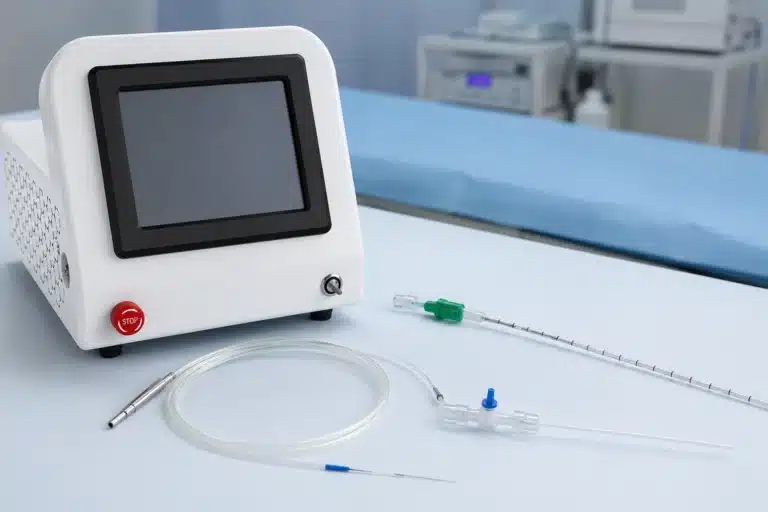
The endovenous laser system is made up of a laser source, optical fibers, accessories for treatment, controls, safety electronics, and documentation. A relatively low quotation at the beginning can prove to be expensive if there are variations in batches, unannounced change in accessories, incomplete technical documentation, and lack of spare parts.
Supplier evaluation must include all aspects of the product life cycle from design control to engineering change.
Regulatory Readiness Must Match the Target Market
ISO 13485:2016 establishes quality-management requirements for organizations involved in medical-device design, production, installation, and servicing. ISO 14971:2019 defines a lifecycle process for medical-device risk management. IEC 60601-2-22 addresses particular safety and essential-performance requirements for medical laser equipment.
Under the EU MDR, technical documentation must be organized and sufficiently detailed to cover device description, intended purpose, variants, accessories, and related evidence. In the United States, the FDA Quality Management System Regulation became effective on February 2, 2026 and incorporates ISO 13485:2016 by reference.
Build a Supplier Audit Scorecard Before Comparing Quotes
Verify Factory Capability and Production Control
A factory audit should establish whether the supplier controls critical manufacturing steps. Evidence can include incoming inspection procedures, calibration records, final-test procedures, serial-number traceability, nonconforming-product controls, and documented change management.
Capacity also matters. Distributor projects should document typical output, peak capacity, lead time, safety-stock policy for key components, and the impact of private-label housings, packaging, or language changes.
A qualified EVLT laser manufacturer should be able to explain how optical output, electrical safety, software versions, and accessory compatibility are verified before shipment.
Evaluate the R&D Team, Not Only the Sales Team
Engineering depth is important if the project will involve any modifications to the interfaces, accessories, labeling, or configuration. The procurement staff needs to check if the optical, electrical, mechanical, firmware, and application support are done in house or outsourced.
The evidence that might be useful in the investigation includes engineering structure, design change documentation, revisions, verification reports, complaints back to design, and firmware support.
When evaluating an EVLA equipment manufacturer, R&D responsiveness often determines whether customization remains controlled after the first production batch.
Authenticate Certifications and Technical Documentation
Certificates should not be assessed only from website logos. Procurement units should ask for the latest version, specify the authority issuing the document, confirm valid periods, validate the certificate of the legally established entity and address, and verify the scope to cover the specific device family.
Based on the project, the technical package can contain specifications, indications of intended use, risk management, electrical and laser safety tests reports, labels, instructions for use, software description, accessories specification, declaration, and sterilization data for sterile single-use parts.
Audit OEM and ODM Capability as a Controlled Process
Define Private-Label Scope Before Artwork Begins
Private-label projects should separate cosmetic customization from regulated product changes. Logo printing, color, packaging, interface language, model naming, accessories, and software modifications may carry different documentation implications.
For a vascular laser OEM project, the agreement should define approved configurations, artwork responsibility, MOQ, sample approval, batch-release criteria, intellectual-property ownership, change-notification rules, and spare-part compatibility.
Clarify ODM Responsibilities and Change Control
A medical laser ODM relationship may involve deeper changes to hardware, software, treatment presets, or accessories. Such projects require a written design brief, acceptance criteria, development milestones, verification responsibilities, and an approved configuration baseline.
Changes to laser modules, power supplies, fiber connectors, software, displays, or packaging should be reviewed before production when they can affect performance, compliance, labeling, or serviceability.
Run a Sample and Pilot-Batch Validation Program
Test the Sample Like a Future Production Unit
A sample should be treated as a qualification unit, not a showroom demonstration. Testing can include wavelength configuration, output-power consistency, fiber coupling, footswitch response, interlock operation, emergency-stop behavior, alarms, interface stability, repeated operating cycles, accessory fit, and thermal performance.
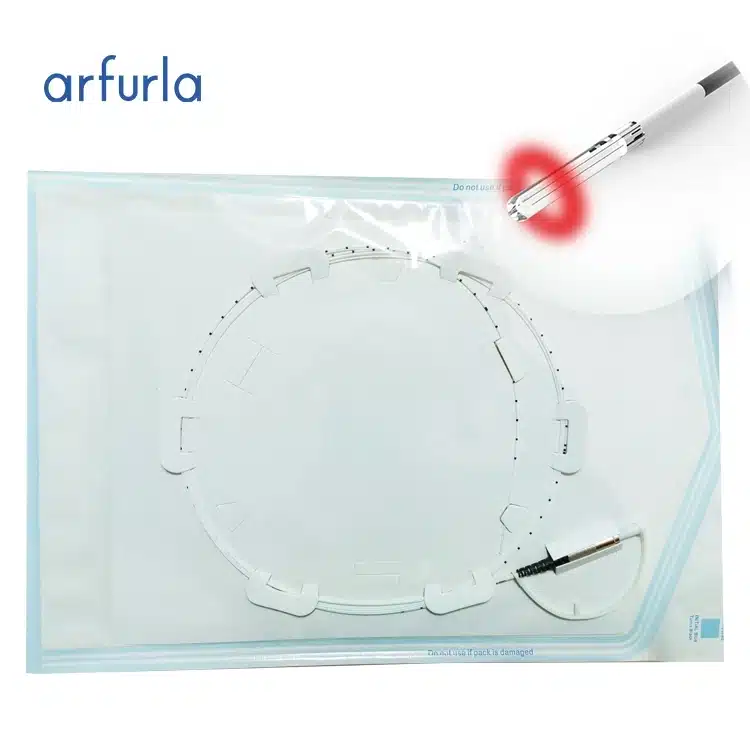
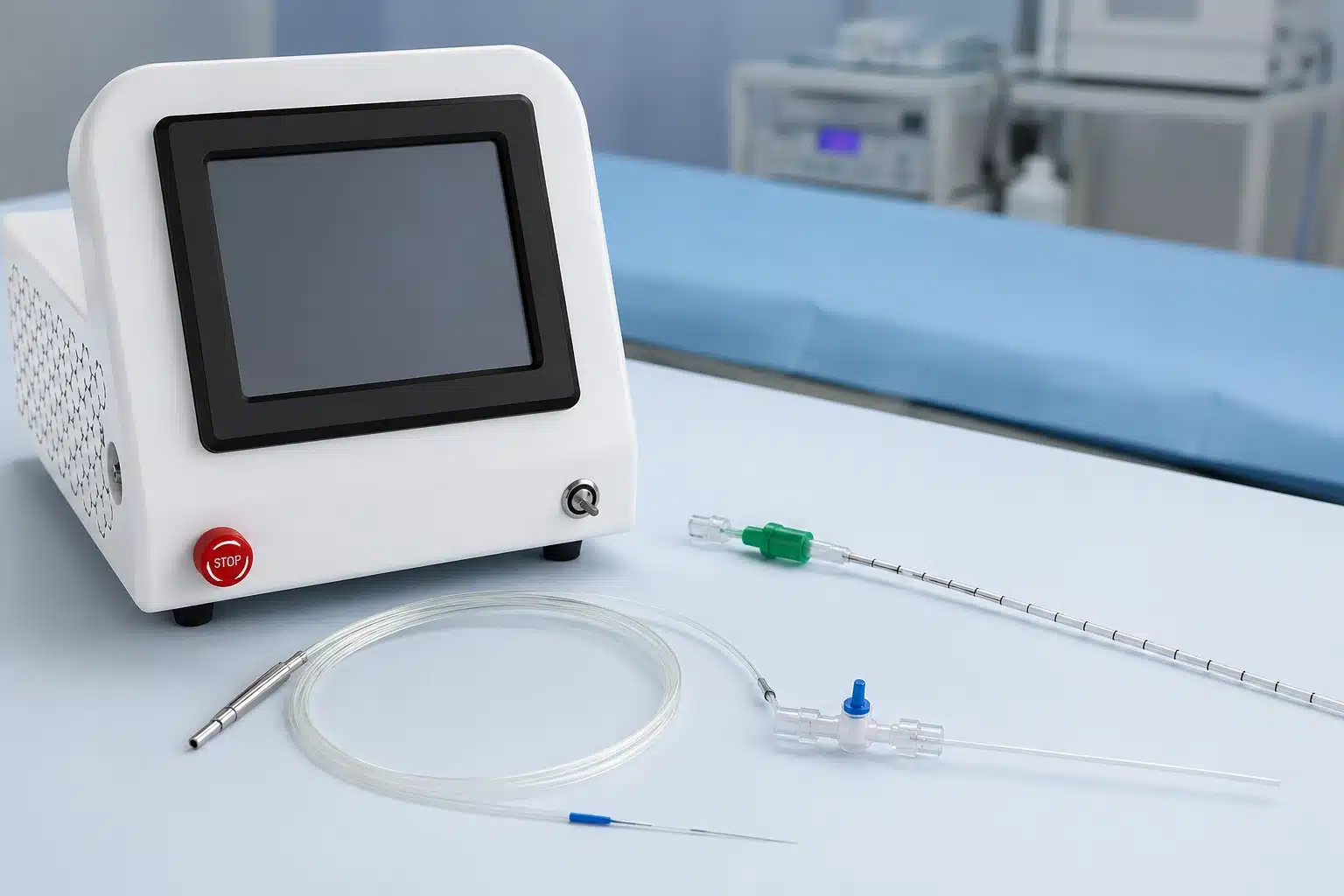
EVLT-focused evaluation should also verify compatibility among the laser generator, radial fiber, introducer catheter, and supplied components. Records should capture model numbers, accessory revisions, software versions, serial numbers, and test results.
Use a Pilot Order to Check Batch Consistency
A small pilot batch can reveal packaging consistency, labeling accuracy, accessory completeness, cosmetic finish, configuration control, and final-test record quality across multiple units.
Distributors can also compare shipment documentation, spare-parts packing, training materials, and service response before committing to a larger forecast.
Assess Training, Warranty, and After-Sales Response
Require a Distributor-Focused Training Package
Training should cover installation, device checks, fiber and accessory identification, routine maintenance, troubleshooting, software guidance, cleaning, storage, and escalation procedures.
Training materials should be version-controlled and aligned with the supplied configuration. Multilingual materials and remote technical sessions can reduce international service delays.
Measure Service Performance With Defined Targets
Warranty duration is only one metric. Procurement teams should also evaluate first-response time, remote diagnosis, spare-parts availability, repair turnaround, engineering escalation, complaint handling, and field-update procedures.
Service commitments are stronger when included in a distributor or quality agreement rather than remaining informal sales promises.
How to Apply the Supplier Audit Framework to a Real EVLT Project
Review the Published Manufacturing and OEM/ODM Profile
As one example of a supplier entering distributor and private-label projects, Arfurla publicly describes Hangzhou Arfurla Science & Technology Co., Ltd. as a company engaged in product development, research, production, sales, and after-sales service. Its published company information also refers to internal R&D, manufacturing, engineering, and OEM/ODM capabilities.
Publicly displayed certification information can serve as a starting point for supplier due diligence, but website logos should never replace document verification. Procurement teams should request current certificate copies and verify the legal manufacturer, certified production site, issuing organization, certificate number, validity period, applicable product scope, and model coverage. Factory records and controlled technical-documentation lists should also form part of the final supplier-approval package.
The published company information also describes technical, after-sales, sales, and logistics support, together with warranty and spare-parts services. For distributor qualification, these claims should be converted into measurable commercial terms, including technical response time, spare-parts lead time, repair turnaround, warranty exclusions, and escalation procedures.
Evaluate the Laser Platform, EVLT Configuration, and Accessories
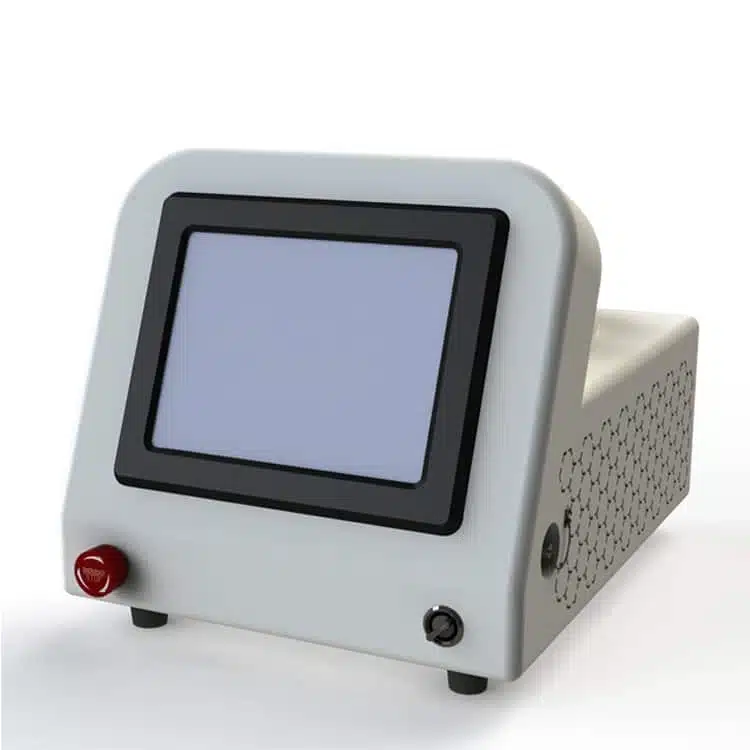
For a practical supplier-audit example, Arfurla publishes a multifunction diode-laser platform incorporating 650 nm, 980 nm, and 1470 nm wavelengths, with EVLT included among the listed medical applications.
From a procurement perspective, the relevant question is not simply whether EVLT appears in the application list. The evaluation should determine which wavelength and power configuration applies to the EVLT setup, which accessories are included in the standard package, which components are optional, and whether the validated configuration remains consistent across production batches.
The published EVLT information refers to endovenous laser treatment using a radial fiber and introducer catheter. These components should therefore be included in the sample-validation checklist, covering connector compatibility, fiber dimensions, packaging, labeling, lot or batch traceability where applicable, and continuity of supply.
Published radial-fiber specifications include 400 μm and 600 μm options, a 3-meter length, and an SMA 905 connector. During supplier qualification, these specifications can serve as measurable checkpoints for sample inspection and production-batch verification rather than being treated only as marketing parameters.
FAQ: EVLT Laser Manufacturer Qualification
What Documents Should Be Requested Before an EVLT Laser Order?
A procurement file should typically include product specifications, quality-system evidence, applicable certificates, a technical-documentation index, relevant test reports, labeling and IFU samples, warranty policy, accessory list, and OEM/ODM scope. Regulatory documents should also be checked for legal-entity, manufacturing-site, validity, and model coverage.
Is ISO 13485 Enough to Approve a Medical Laser Supplier?
No. ISO 13485 is an important quality-management benchmark, but supplier approval should also consider product-specific safety evidence, risk management, manufacturing controls, destination-market requirements, sample performance, accessory control, documentation quality, and post-sale support.
What Should Be Tested on an EVLT Laser Sample?
Key checks include output stability, wavelength configuration, controls, alarms, safety interlocks, footswitch operation, thermal behavior, software version, radial-fiber compatibility, connector fit, accessory completeness, labeling, and operating-cycle repeatability.
What Is the Difference Between OEM and ODM in an EVLT Project?
OEM usually centers on manufacturing an approved platform under distributor-defined branding or configuration. ODM can involve deeper engineering changes to hardware, software, accessories, or functions. Greater modification increases the importance of design control, verification, technical-document updates, configuration management, and formal change approval.
How Should After-Sales Capability Be Evaluated?
Useful metrics include technical first-response time, remote troubleshooting capability, spare-parts lead time, repair turnaround, engineering escalation, warranty exclusions, distributor training availability, complaint-management procedures, and processes for software or hardware field changes.
Qualify an EVLT Supply Partner for Distribution or Private Label
Request an EVLT Distributor and Private-Label Project Package from Arfurla
For distributor, OEM, private-label, and regional procurement projects, Con Arfur can provide project-specific information covering EVLT configuration, wavelength and power options, accessories, certification documents, OEM/ODM scope, sample pricing, MOQ, lead time, training, warranty, spare-parts support, and after-sales service.
A detailed RFQ helps evaluate technical fit, documentation readiness, customization requirements, and commercial terms before pilot or volume purchasing.
Contacta con Arfurla to request an EVLT project quotation, sample evaluation package, and private-label sourcing information.