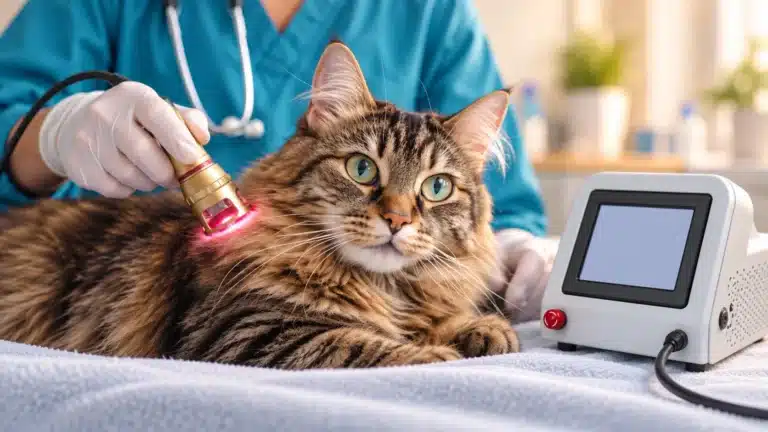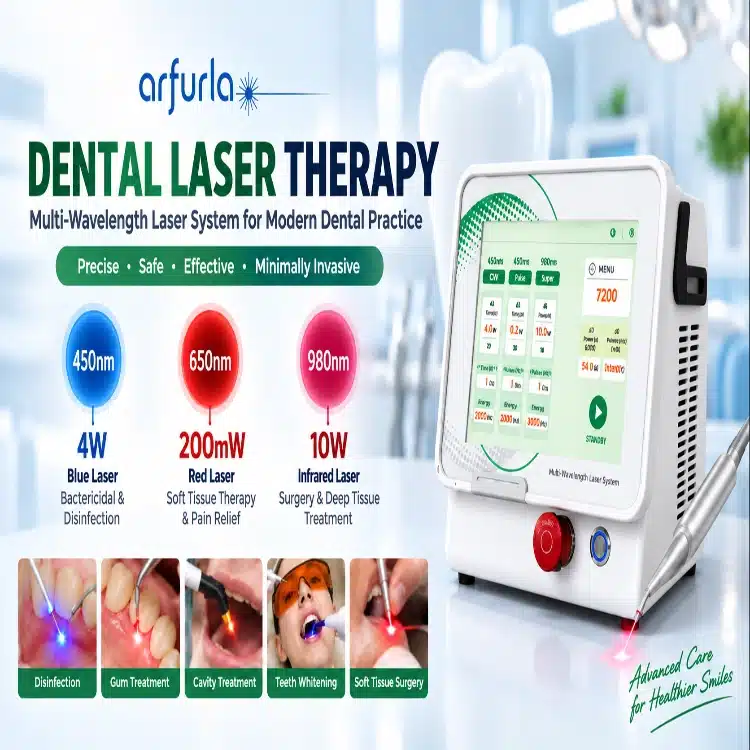
Pain management and tissue healing in veterinary medicine have been achieved through medication, rehabilitation, and surgery. Now, veteriner lazer terapisi provides another non-invasive means of achieving pain relief, inflammation reduction, wound healing, and rehabilitation.
Through controlled light energy, diode lasers for veterinary purposes can help with tissue healing and soft tissue procedures in select systems. For those who are in charge of procurement of veterinary equipment, knowing this will be helpful in choosing appropriate technologies and sources.
In this article, we discuss how veterinary laser therapy operates, what are its applications, and considerations for purchasing veterinary laser technology.
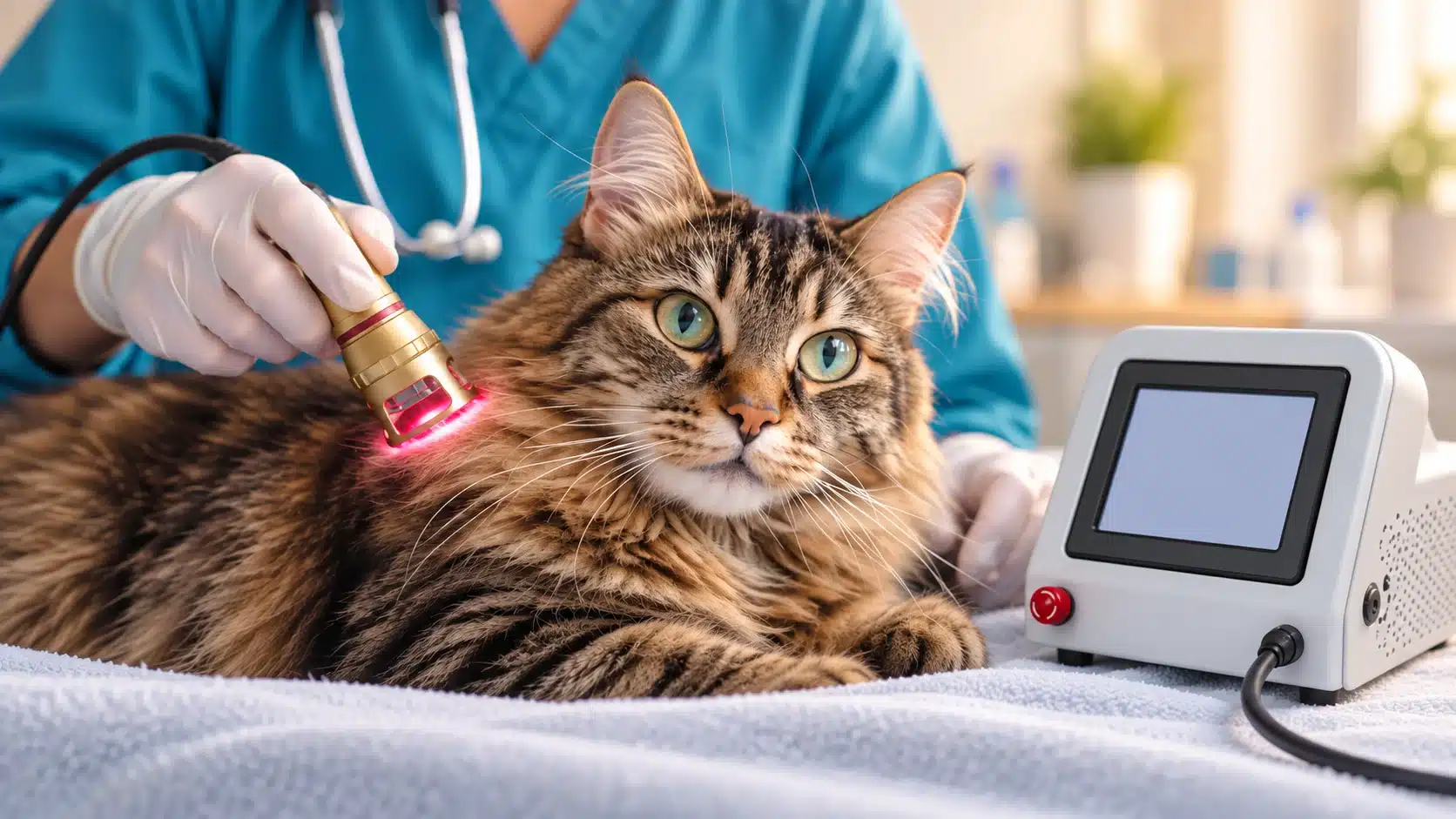
Veteriner Lazer Terapisi Nedir?
Veterinary laser therapy employs light energy that is controlled and administered through specific wavelengths to biological tissues.
Photobiomodulation, also referred to as PBM, is a technique that is common in the treatment of patients under laser therapy. The administration of laser energy to biological tissues is not for the purposes of cutting or removing such tissues but for promoting cellular functions and tissue repair.
Contrary to the aforementioned technique, veterinary laser surgery requires higher energy levels of laser and the use of appropriate accessories for the procedures.
For equipment purchasers, this distinction is significant. A veterinary laser platform intended only for rehabilitation has different commercial positioning from a multifunction diode laser system capable of supporting both therapy and selected surgical applications.
O multifunction medical laser platform supports both veterinary laser therapy and selected soft-tissue surgical applications. The supplied product information describes a 650nm, 980nm, and 1470nm three-wavelength, 12-function-in-one laser configuration, while this article focuses on the therapeutic applications of veterinary laser therapy.
The Science: How Does Light Heal?
The biological process that forms the basis of therapy through lasers is called photobiomodulation.
This light energy enters into the body and acts on cellular elements. The effects of this process can affect mitochondria as well as metabolic processes within cells.
Key Biological Effects of Veterinary Laser Therapy
Depending on wavelength, treatment parameters, tissue characteristics, and clinical protocol, veterinary laser therapy may support:
- Cellular energy production: Photobiomodulation can stimulate cellular processes associated with ATP production and tissue metabolism.
- Local circulation: Increased microcirculation can help deliver oxygen and nutrients to the treatment area.
- Inflammation management: Laser therapy may help modulate inflammatory processes and support reduction of localized swelling.
- Tissue repair: Cellular stimulation can support wound healing and rehabilitation protocols.
- Pain management: Therapeutic laser applications are commonly incorporated into multimodal pain-management programs.
Veterinary laser therapy commonly uses wavelengths such as 810nm, 980nm, and 1064nm. These wavelengths are widely applied in photobiomodulation, rehabilitation, pain management, and tissue recovery protocols depending on clinical requirements.
Therapeutic Wavelengths in Veterinary Laser Therapy
A dual-wavelength or multifunction platform can broaden the clinical positioning of a veterinary laser machine.
Common therapeutic wavelengths such as 810nm, 980nm, and 1064nm may include:
- Veterinary physiotherapy
- Pain-management protocols
- Tissue stimulation
- Rehabilitation support
- Inflammation-management applications
For distributors, this combination can create a wider product proposition than a single-purpose rehabilitation system.
What Conditions Can Laser Therapy Treat?
Veterinary laser technology can be incorporated into several areas of animal healthcare. Clinical selection and treatment parameters remain the responsibility of qualified veterinary professionals.
Common Veterinary Laser Therapy Applications
Typical applications include:
- Osteoarthritis and joint discomfort: Laser therapy is frequently incorporated into mobility and chronic pain-management programs.
- Post-surgical recovery: Therapeutic laser protocols may support tissue recovery and postoperative comfort.
- Soft-tissue injuries: Muscle, tendon, and ligament rehabilitation can form part of veterinary physiotherapy programs.
- Wound management: Laser therapy may support tissue repair in selected wounds and skin conditions.
- Inflammation management: Photobiomodulation can complement broader veterinary treatment strategies.
- Rehabilitation: Laser therapy may be combined with physical rehabilitation following injury or surgery.
The veterinary diode laser technology is mainly designed for therapeutic applications, including pain management, rehabilitation support, wound care, and tissue recovery.
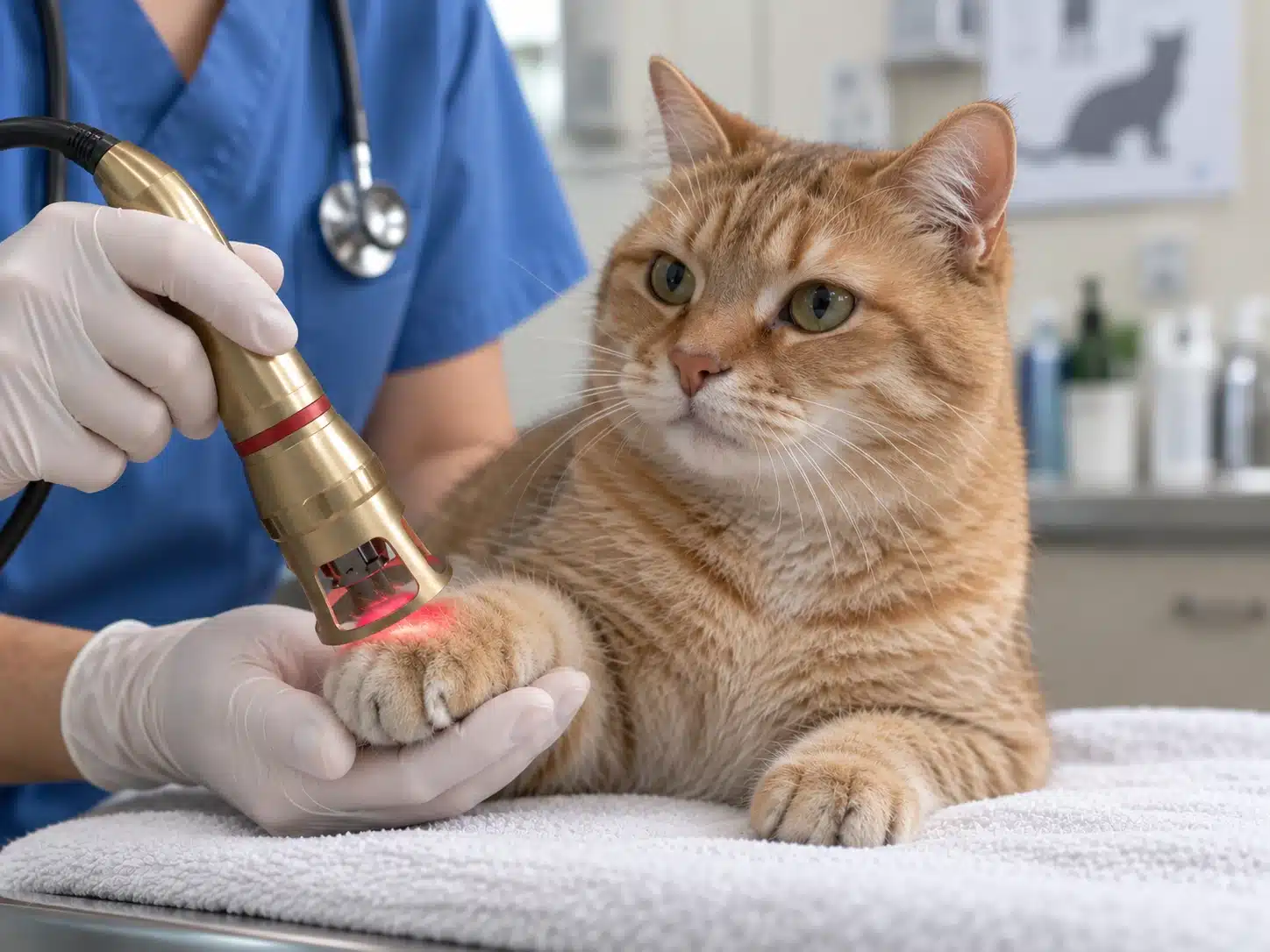
What Is the Treatment Experience Like for the Animal?
Therapeutic veterinary laser procedures are generally designed to be non-invasive and relatively easy to integrate into routine clinical workflows.
Typical Characteristics of a Therapy Session
- Non-invasive treatment: Therapeutic laser energy is applied externally without a surgical incision.
- Minimal treatment stress: Properly selected therapy protocols can generally be performed without the invasiveness associated with surgery.
- Short treatment sessions: Treatment duration depends on the anatomical area, condition, equipment settings, and veterinary protocol.
- Flexible treatment areas: Joints, muscles, postoperative areas, wounds, and other targeted tissues may be treated according to clinical assessment.
- Laser safety requirements: Appropriate protective eyewear and operating procedures remain essential for veterinary staff, animal patients, and others within the treatment environment.
For B2B purchasers, ease of operation, parameter control, handpiece options, training, accessories, and technical support are therefore important considerations alongside laser output specifications.
How Many Treatments Are Needed?
Veterinary laser therapy is usually delivered according to a treatment protocol rather than a universal number of sessions.
Acute conditions may require a relatively short treatment series, while chronic conditions such as osteoarthritis can require repeated sessions followed by maintenance treatments.
Treatment frequency can vary according to:
- Type and severity of the condition
- Acute or chronic status
- Animal size and tissue depth
- Treatment wavelength
- Laser power and energy density
- Response to previous sessions
- Concurrent rehabilitation or medication
Laser therapy should therefore be considered part of a broader veterinary treatment strategy rather than a fixed one-session solution.
Is Laser Therapy Right for a Veterinary Practice?
From a clinical perspective, veterinary laser equipment can expand options in rehabilitation, pain management, wound care, and selected surgical procedures.
From a procurement perspective, several additional factors matter.
What Distributors and Procurement Teams Should Evaluate
A veterinary laser supplier should be assessed based on:
- Available wavelengths and output configurations
- Therapy and surgical functionality
- Handpieces, optical fibers, and accessories
- Manufacturing capability
- Quality-management processes
- OEM and ODM availability
- Technical documentation
- Training resources
- Warranty conditions
- Spare-parts availability
- After-sales technical support
Arfur ile birlikte states that Hangzhou Arfurla Science & Technology Co., Ltd. operates its own R&D department, engineering team, and factory and provides OEM and ODM services for distributors worldwide. The company also lists production, sales, and after-sales service as part of its integrated operation.
The manufacturer also provides warranty coverage, technical support, and spare-parts support for equipment customers.
For international distributors, regulatory requirements, device registration, permitted indications, labeling, and certification requirements should always be evaluated according to the destination market.
FAQ About Veterinary Laser Therapy and Veterinary Laser Machines
What is a veterinary laser therapy machine?
A veterinary laser therapy machine delivers controlled laser energy to animal tissue for applications such as pain management, inflammation management, rehabilitation, and tissue-healing support. Some multifunction diode laser systems can also support selected veterinary surgical procedures.
What wavelengths are used in veterinary diode laser systems?
Wavelengths vary by equipment design and clinical requirements. Veterinary photobiomodulation therapy commonly uses wavelengths such as 810nm, 980nm, and 1064nm for applications including rehabilitation, pain management, and tissue recovery.
Can one veterinary laser machine support therapy and surgery?
Some multifunction diode laser systems are designed for both categories. The veterinary laser platform supports therapeutic applications such as pain and inflammation management, as well as selected soft-tissue procedures.
What should veterinary laser distributors consider before purchasing?
Important considerations include wavelength options, laser power, accessories, handpieces, clinical application range, manufacturer capability, OEM/ODM support, warranty, training, technical service, and applicable regulatory requirements.
Does Arfurla provide OEM and ODM veterinary laser services?
Arfurla states that it has an in-house R&D department, factory, and engineering team and provides OEM and ODM services for distributors in international markets.
Source Veterinary Laser Therapy Equipment from a Reliable Manufacturer & Supplier
Arfurla provides multifunction diode laser systems for veterinary therapy, pain management, wound care, and selected soft-tissue applications.
As a diode laser manufacturer, supplier, and factory, Arfurla supports international distributors and procurement partners with OEM/ODM services, technical support, and wholesale cooperation.
Arfurla ile iletişime geçin. for veterinary laser machine specifications, distributor pricing, and OEM/ODM solutions.